
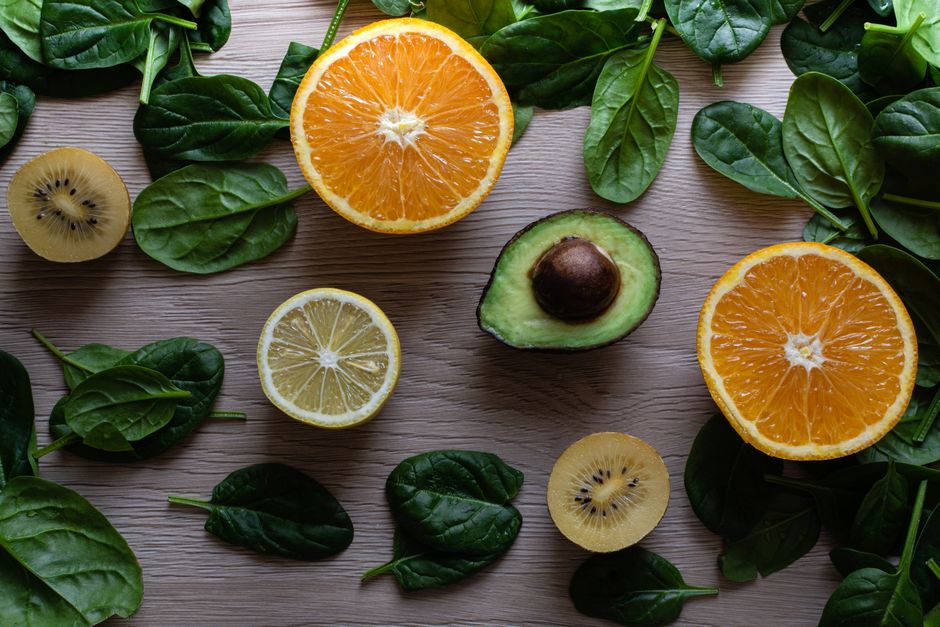
Kiwi fruits are small, brown, fuzzy-skinned fruits with bright green flesh and tiny black seeds. They are packed with vitamin C, fiber, and several other nutrients that support heart health, digestion, and immune function. Research consistently shows that eating kiwi regularly can improve vitamin C status, help with digestion, and may support better sleep and blood pressure control.
What Are Kiwi Fruits Good For?
Kiwi fruits are good for your immune system, digestion, heart health, and sleep. A single medium kiwi contains more vitamin C than an orange of similar size. That matters because vitamin C is essential for immune cell function and collagen production, which keeps skin and blood vessels healthy.
Kiwis also contain an enzyme called actinidin that helps break down protein. This enzyme is why some people find kiwi helps with bloating or heavy meals. The fruit is also rich in soluble and insoluble fiber, which feeds beneficial gut bacteria and helps keep bowel movements regular.
What Nutrients Are in a Kiwi?
One medium kiwi (about 75 grams) provides roughly 60 calories and 2.5 grams of fiber. It is an excellent source of vitamin C, providing more than 100 percent of the daily value in a single serving. Kiwi also supplies vitamin K, vitamin E, folate, and potassium.
Potassium is worth attention. A medium kiwi contains about 215 milligrams of potassium, which is similar to a small banana. Potassium helps counteract sodium and supports healthy blood pressure. The fruit also contains lutein and zeaxanthin, two carotenoids that concentrate in the retina and are linked to eye health.
One clarification: the fiber in kiwi is higher than in many other fruits by weight. Most of that fiber is in the flesh and seeds, not the skin. But eating the skin roughly doubles the fiber intake, and the skin is technically edible. Many people prefer to peel it due to texture, and that is fine.
Can Kiwi Help With Digestion?
Yes, kiwi has a genuine effect on digestion. The actinidin enzyme breaks down proteins in the stomach and small intestine, which may help people who feel heavy after protein-rich meals. This is not theoretical — actinidin activity has been measured in laboratory studies and in humans.
Kiwi also acts as a natural laxative. Clinical trials have found that eating two kiwis per day increases stool frequency and softens stool in people with constipation. Some studies show this effect is comparable to psyllium husk, a common fiber supplement. The mechanism is likely a combination of fiber and actinidin, which together stimulate gut motility.
People with irritable bowel syndrome (IBS) may tolerate kiwi better than some other high-fiber fruits. Some research suggests kiwi is less likely to trigger bloating than apples or prunes. However, individual tolerance varies, and starting with a small amount is wise for anyone with a sensitive gut.





Does Kiwi Improve Sleep?
Some evidence suggests kiwi can help with sleep quality. Two small clinical studies found that eating two kiwis one hour before bed improved sleep onset, duration, and efficiency in adults with self-reported sleep problems. The proposed mechanism involves serotonin, which kiwi contains in measurable amounts. Serotonin is a precursor to melatonin, the hormone that regulates the sleep-wake cycle.
The evidence here is promising but limited. The studies were small, and no large trials have confirmed the effect across diverse populations. That said, kiwi is a reasonable evening snack for people who want a nutrient-dense option that might support sleep. It is not a treatment for insomnia, and anyone with chronic sleep problems should discuss them with a doctor.
How Does Kiwi Affect Blood Pressure and Heart Health?
Kiwi may modestly lower blood pressure. A few clinical trials have found that eating three kiwis per day for eight weeks reduced systolic blood pressure in adults with mildly elevated readings. The effect is small but consistent, and it is probably driven by potassium, vitamin C, and antioxidant compounds working together.
Kiwi also contains plant compounds called polyphenols that may improve blood vessel function. Some research indicates these compounds help the inner lining of blood vessels relax, which reduces resistance to blood flow. This is the same pathway targeted by several blood pressure medications, though kiwi acts much more gently.
If you already take blood pressure medication, adding kiwi to your diet is generally safe. But do not stop or reduce medication based on fruit intake. Track your blood pressure and share the numbers with your doctor, who can make any needed adjustments.
Can Kiwi Support Immune Function?
Kiwi is one of the most vitamin C-dense fruits available. Vitamin C is essential for the function of immune cells, including neutrophils and natural killer cells. These cells are the body’s first line of defense against infections.
Studies on vitamin C supplementation show it reduces the duration of colds by about 8 percent in adults and 14 percent in children. Whether kiwi specifically shortens colds has not been studied as directly, but its vitamin C content is high enough that regular consumption likely contributes to adequate immune status. Adequate vitamin C is more important than mega-dosing — the body excretes excess vitamin C, and very high doses can cause diarrhea.
One kiwi per day is enough to meet the vitamin C requirement for most adults. Two kiwis provide a comfortable margin above the recommended daily allowance without any risk of excess.
Are There Any Risks or Side Effects?
Kiwi is safe for most people, but there are genuine cautions. Kiwi allergy is real and can be severe. Symptoms range from mild itching in the mouth to anaphylaxis. People with known allergies to latex, bananas, avocados, or chestnuts are at higher risk because of cross-reactivity between certain proteins.
If you have never eaten kiwi, start with a small bite and wait a few minutes. Mouth tingling or throat itching are warning signs. Anyone with a history of food allergies should speak with an allergist before introducing kiwi.
Kiwi also contains vitamin K, which plays a role in blood clotting. People taking warfarin or other blood thinners should keep their kiwi intake consistent from week to week. Sudden large increases in vitamin K intake can change how these medications work. This does not mean avoid kiwi — it means eat a consistent amount and tell your doctor about dietary changes.
Finally, the fuzzy skin can irritate the mouth or throat in some people. Peeling the fruit removes this issue. The skin is safe to eat, but it is not mandatory.
How Many Kiwis Should You Eat Per Day?
One to two kiwi fruits per day is a reasonable and evidence-supported amount. This is the dose used in most clinical trials on digestion, blood pressure, and sleep. Eating more than two or three per day provides little additional benefit and may cause loose stools due to the fiber and actinidin content.
For children, one small kiwi is plenty. For pregnant women, kiwi is safe and provides folate, which supports fetal development. No clinical guidelines currently exist for kiwi specifically during pregnancy, but the fruit is widely consumed and no adverse effects have been reported in the medical literature.
Frequently Asked Questions
Can you eat kiwi skin?
Yes, kiwi skin is edible and contains extra fiber and vitamin E. Wash it thoroughly first, and peel it if the texture bothers you.
Is kiwi good for people with diabetes?
Kiwi has a low glycemic index, meaning it does not spike blood sugar as much as many other fruits. Portion control still matters, and one kiwi is a reasonable serving.
Does kiwi help with constipation?
Clinical studies show that eating two kiwis per day increases stool frequency and softens stool. The fiber and actinidin enzyme both contribute to this effect.
Can kiwi cause allergic reactions?
Yes, kiwi allergy exists and can be serious. People allergic to latex, bananas, or avocados are at higher risk, and mouth itching after eating kiwi is a warning sign.
