
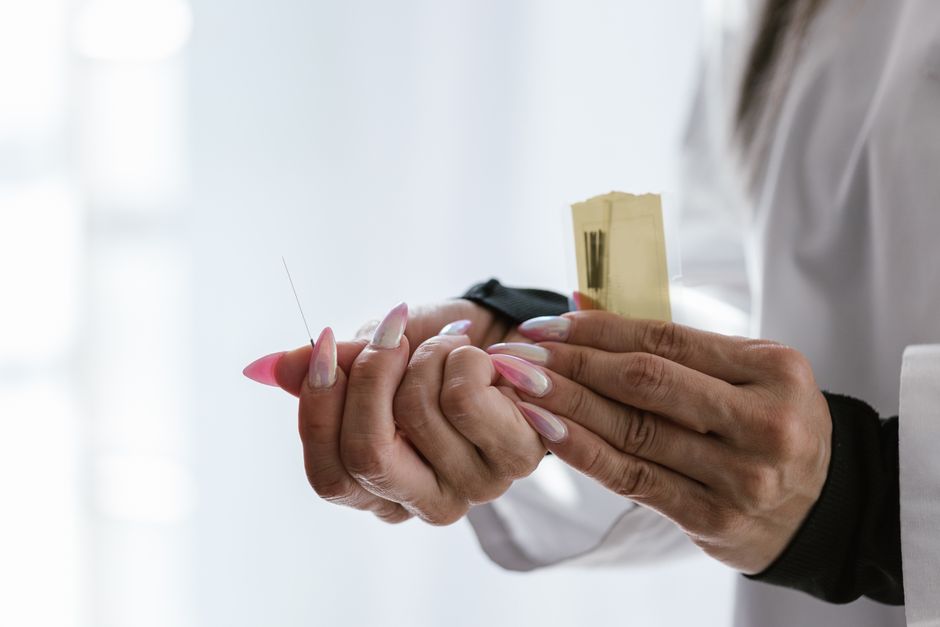
The fear of needles is a real, recognized condition that affects a significant number of people. It is more than just feeling uneasy about a shot; for some, it triggers a physical and emotional response that can lead them to avoid medical care entirely. This fear is called trypanophobia, and it is estimated to affect up to 25% of adults to some degree.
What Is The Fear Of Needles?
Trypanophobia is the clinical term for an intense, persistent fear of medical procedures that involve needles, such as injections, blood draws, or IVs. For most people, it is not a simple dislike. It is an anxiety disorder that can cause a person to feel panicked just thinking about an upcoming appointment.
This fear is distinct from a general dislike of pain. A person with trypanophobia may experience a racing heart, shortness of breath, or a feeling of dread hours or even days before a procedure. In the most severe cases, the fear is so strong that a person will skip vaccinations, blood tests, or other necessary treatments, which can have serious consequences for their health.
What Causes This Fear?
There is not a single cause for the fear of needles. It often develops from a combination of factors, and the root cause can be different for different people.
For many, it begins with a negative experience in childhood. A painful injection or a blood draw that was difficult and involved multiple attempts can leave a lasting impression. The memory of that pain becomes linked to the sight of a needle, creating a conditioned fear response.
Other factors can include a family history of anxiety or a learned behavior where a child observes a parent’s intense fear. Some research also suggests a genetic component, meaning some people may be biologically predisposed to a stronger vasovagal response, which is the body’s reaction to the sight of blood or needles.
The Body’s Response: Vasovagal Syncope
One of the most distinctive features of needle phobia is a physical reaction known as a vasovagal response. This is the mechanism behind the fainting that many people experience during injections or blood draws.
When a person with this phobia sees a needle, their heart rate and blood pressure initially spike due to anxiety. But then, in a sudden reversal, the body overcorrects. The heart rate slows down, and blood pressure drops rapidly. This reduces blood flow to the brain, causing dizziness, lightheadedness, sweating, and sometimes a complete loss of consciousness.
This response is not a sign of weakness. It is an involuntary reflex that occurs in about 2% to 5% of the general population, though it is much more common in people with needle phobia. Understanding this mechanism is key because it means the fainting is a physiological event, not a psychological choice, and it can often be managed with specific physical techniques.





How Does It Differ From a General Dislike?
It is normal to feel some discomfort or anxiety about getting a shot. Most people can tolerate it with a little deep breathing and a few seconds of discomfort. The difference lies in the intensity and the impact on your life.
A general dislike might make you look away or grip the armrest. A phobia, however, causes a level of anxiety that is out of proportion to the actual threat. It often leads to avoidance behavior. You might cancel appointments, delay routine blood work, or decline a recommended vaccine because the anxiety is too overwhelming.
This avoidance is the defining feature of a phobia. When the fear starts to interfere with your health maintenance or medical treatment, it has crossed the line from a minor nuisance to a condition that deserves attention.
Effective Strategies to Manage the Fear
There are several practical techniques that can help you get through a needle procedure. These are not treatments for the phobia itself, but they are effective tools for managing the immediate moment.
Applied muscle tension is the most effective technique for preventing fainting. It involves tensing the muscles in your arms, legs, and torso for 10 to 15 seconds until you feel a warmth in your face, then relaxing. This raises your blood pressure and helps counteract the sudden drop that causes fainting. Repeating this cycle a few times before and during the procedure can make a significant difference.
Other strategies include:
- Informing the clinician about your fear before the procedure begins.
- Using a distraction technique, such as listening to loud music, watching a video, or counting backward from 100.
- Requesting a topical anesthetic cream to numb the skin before the needle is inserted.
- Asking to lie down during the procedure if you are prone to fainting.
- Using slow, deep breathing to manage the initial anxiety spike.
These techniques put you in control of the situation. They do not eliminate the fear, but they make the procedure manageable so you can get the medical care you need.
When to Seek Professional Help
If you find that your fear is causing you to avoid necessary medical care, it may be time to consider professional treatment. This is not about willpower; it is about addressing a recognized anxiety condition with proven methods.
Cognitive Behavioral Therapy (CBT) is the most researched and effective treatment for specific phobias. It helps you identify the negative thought patterns that fuel the fear and replace them with more realistic ones. A key component of CBT for needle phobia is exposure therapy, where you gradually and safely confront the fear in steps, starting with looking at a picture of a needle and eventually progressing to a real procedure.
Some clinicians also use a technique called EMDR (Eye Movement Desensitization and Reprocessing) to help process the traumatic memory that may be at the root of the phobia. The evidence for its effectiveness is growing, but CBT remains the gold standard. There is no clinical evidence that simply avoiding needles makes the fear better over time; it usually makes it worse.
Treatment Options for Severe Cases
For people who cannot tolerate therapy or who need immediate help for an urgent procedure, short-term medication may be an option. These are not daily treatments; they are used to get through a specific event.
Some clinicians prescribe a low dose of a benzodiazepine, such as lorazepam or diazepam, to be taken about an hour before a procedure. This can reduce the anticipatory anxiety and make the experience more tolerable. However, these medications are sedating and can affect your memory of the event, so they are not a first-line solution for everyone.
Another option is the use of a topical anesthetic that contains lidocaine. When applied to the skin 30 to 60 minutes before the procedure, it numbs the surface and can significantly reduce the pain of the needle prick. This addresses the pain component, which is a major trigger for many people, though it does not address the anxiety itself.
The Impact of Avoidance on Health
The most serious consequence of needle phobia is not the fear itself, but the health outcomes that result from avoiding care. Routine blood tests are essential for screening for conditions like diabetes, high cholesterol, and anemia. Vaccinations protect against serious infectious diseases.
When a person avoids these procedures, they miss out on early detection and prevention. This is a public health concern as well as a personal one. If you have this fear, recognizing that the avoidance is a risk factor for larger health problems is an important step. The temporary discomfort of a needle is often far less dangerous than the consequences of an undiagnosed condition.
Frequently Asked Questions
Is the fear of needles a real phobia?
Yes, it is a recognized condition called trypanophobia. It is classified as a specific phobia when the fear is intense, persistent, and leads to avoidance of medical procedures.
Can you faint from a needle even if you are not afraid?
Yes, about 2% to 5% of the general population experiences a vasovagal response to needles or blood. This is a physical reflex that can cause fainting regardless of your level of psychological fear.
Does numbing cream help with needle fear?
Numbing cream reduces the physical pain of the needle, which can help some people. However, it does not reduce the anxiety itself, so it is most useful when combined with relaxation or distraction techniques.
How long does therapy for needle phobia take?
With structured cognitive behavioral therapy, many people see significant improvement in a relatively short number of sessions. The duration varies by individual, but it is often a matter of weeks or a few months, not years.
