
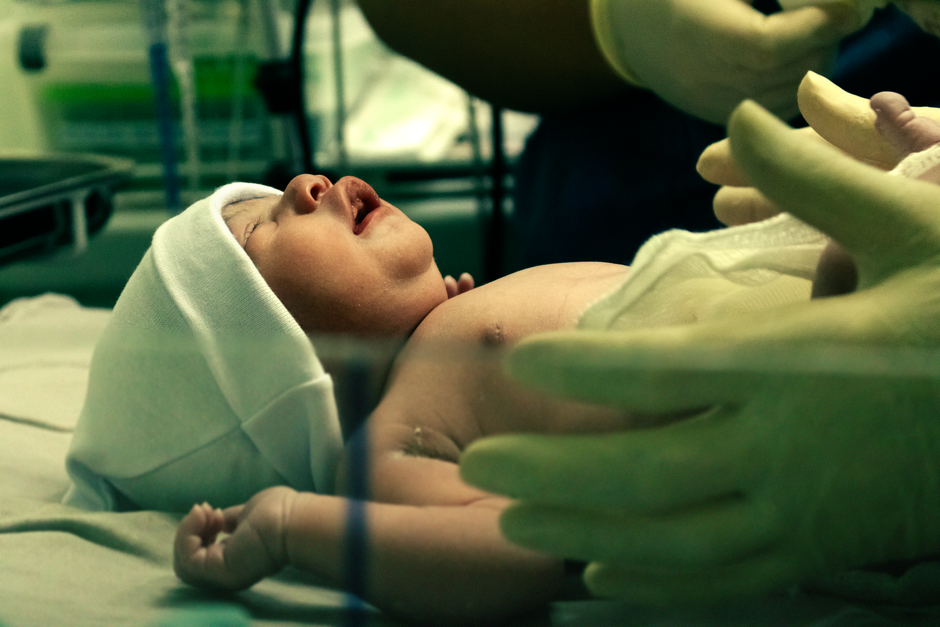
Neonatal progeroid syndrome is a rare genetic disorder in which a baby is born with physical features that resemble premature aging. The word “progeroid” means “progeria-like,” and “neonatal” refers to the newborn period. Babies with this condition typically have very little fat under the skin, an aged facial appearance, and slow growth, and the condition is present from birth rather than developing later in childhood.
What Is Neonatal Progeroid Syndrome?
Neonatal progeroid syndrome (NPS) is a rare congenital disorder. It is sometimes called Wiedemann-Rautenstrauch syndrome, after the physicians who first described it. The defining feature is the appearance of aging at birth or shortly after.
This is a distinct condition from Hutchinson-Gilford progeria syndrome, which is the more widely known form of progeria. Hutchinson-Gilford progeria is caused by a specific gene mutation and typically does not show obvious signs until a baby is several months to a year old. Neonatal progeroid syndrome, as the name suggests, is evident in the newborn period.
The condition affects how the body stores fat and how it grows. It is not a disease that can be caught or passed between people. It is present from the earliest stages of development.
What Causes Neonatal Progeroid Syndrome?
Neonatal progeroid syndrome is a genetic condition. Research points to changes in a gene called POLR3A as a cause in at least some affected children. This gene helps build an enzyme involved in making RNA, a molecule the body uses to carry out instructions from DNA.
When POLR3A does not work correctly, cells cannot process genetic instructions normally. This appears to affect tissues that depend on rapid growth and fat storage, which may explain why the condition shows up in the ways it does.
Not every child with the condition has a POLR3A change. Some cases have no identified genetic cause yet. This tells researchers the condition may have more than one genetic origin, and our understanding is still incomplete.
Most reported cases have occurred in families with no history of the disorder. How the condition is inherited is not fully established. Some evidence suggests certain patterns, but no single inheritance model has been confirmed for all cases. If a family has one affected child and wants to understand genetic risk for future pregnancies, that question is best directed to a genetic counselor who can review the specific case.
What Are the Signs and Symptoms at Birth?
The most noticeable feature is an aged facial appearance. A newborn with this condition may look like an elderly person, with a small face, prominent veins, and little fat in the cheeks.
Other common features include:
- Very low body fat, including a lack of the fat layer that usually gives newborns a plump look
- Slow growth before and after birth
- A larger than usual head with a prominent forehead and visible scalp veins
- Sparse hair or hair that grows slowly
- Thin, wrinkled skin
- Delayed development of the nervous system
- Feeding difficulties in the newborn period
These signs are not the same in every child. The severity varies. Some babies are more affected than others, and the exact mix of features can differ from case to case.





How Is It Diagnosed?
Diagnosis usually begins with a physical exam. A doctor who notices the aged appearance and the lack of fat in a newborn may suspect the condition. But appearance alone is not enough, because other conditions can produce similar features in a newborn.
Genetic testing is the main tool for confirming the diagnosis when a genetic cause can be found. Testing may look at the POLR3A gene and other genes that could explain the features. In cases where no genetic change is identified, the diagnosis may rest on the pattern of physical findings and the exclusion of other conditions.
Imaging and other tests may be used to check for related problems, such as issues with the brain or skeleton. A team of specialists, often including a geneticist, is usually involved.
Because the condition is rare, it can take time to reach a firm diagnosis. Some families go through a period of uncertainty before an answer is clear.
How Does It Differ From Other Progeroid Conditions?
Several conditions involve features that resemble aging, and telling them apart matters for care and for understanding what to expect.
| Condition | When Signs Appear | Main Cause |
|---|---|---|
| Neonatal progeroid syndrome | At birth | Often linked to POLR3A changes, but not in all cases |
| Hutchinson-Gilford progeria syndrome | Usually several months to a year after birth | Changes in the LMNA gene |
| Other rare premature-aging disorders | Varies | Various genes, often not fully identified |
The key difference is timing. Neonatal progeroid syndrome is visible from the start. Hutchinson-Gilford progeria usually becomes noticeable later, even though both involve an aged appearance. They are caused by different genes and are managed differently.
What Does Care and Management Involve?
There is no cure for neonatal progeroid syndrome, and no treatment reverses the condition. Care focuses on managing symptoms and supporting growth and development.
Feeding support is often needed, because many affected babies have trouble feeding and gaining weight. Some may need special feeding methods to get enough nutrition.
A care team may include specialists in genetics, neurology, nutrition, and physical therapy. Regular monitoring helps catch problems early, such as issues with growth, development, or the skeleton.
Because the condition is so rare, there is limited research on which specific treatments help most. Much of the care is based on general principles for children with complex medical needs rather than on studies of this condition alone. Families should expect that care is tailored to the individual child.
What Is the Outlook?
The outlook varies. Some children with neonatal progeroid syndrome live into childhood and beyond, while others have more serious complications. The range of outcomes is wide, and no single prediction fits every child.
Growth and developmental delays are common. Some children have intellectual disability, while others are less affected. How much a child is affected depends on which body systems are involved and how severely.
Because the condition is rare, long-term data on outcomes is limited. Doctors base their guidance on the individual child’s health and on what is known from reported cases. Families often find it helpful to work with a care team that can address changes over time.
It is honest to say that much about this condition remains uncertain. That uncertainty is not a reason for despair, but it does mean that families should seek care from specialists familiar with rare genetic disorders.
Is There Any Way to Prevent It?
There is no known way to prevent neonatal progeroid syndrome. It is a genetic condition present from development, not something caused by a parent’s behavior during pregnancy.
Parents should not blame themselves. The condition is not linked to diet, stress, or anything a mother did or did not do while pregnant.
For families who have had one affected child and are considering another pregnancy, genetic counseling can help clarify what is known about risk in their specific situation. Because the inheritance pattern is not fully established for all cases, a counselor can explain what testing may or may not reveal.
Frequently Asked Questions
Is neonatal progeroid syndrome the same as progeria?
No. It is a separate condition from Hutchinson-Gilford progeria syndrome, which is the more commonly known form of progeria. Neonatal progeroid syndrome is present at birth, while Hutchinson-Gilford progeria usually becomes noticeable months later.
What gene causes neonatal progeroid syndrome?
Changes in the POLR3A gene have been linked to the condition in some cases. However, not every affected child has an identified gene change, so the genetic picture is not fully understood.
Can neonatal progeroid syndrome be cured?
No cure currently exists, and no treatment reverses the condition. Care focuses on managing symptoms and supporting growth and development.
How long do children with neonatal progeroid syndrome live?
The outlook varies widely, and there is no single answer that applies to every child. Because the condition is rare, long-term data is limited, so families should discuss the individual child’s situation with their care team.
