
HELLP syndrome is a serious pregnancy complication that affects the blood and liver. The name is an acronym for its three main features: Hemolysis (red blood cells break down), Elevated Liver enzymes, and Low Platelets. It usually develops in the third trimester or shortly after birth, and it can worsen quickly. Because of that, HELLP syndrome is treated as a medical emergency that requires immediate hospital care.
What Is HELLP Syndrome?
HELLP syndrome is a disorder that damages red blood cells, stresses the liver, and drops the platelet count. Platelets are the tiny cell fragments that help blood clot. When they fall too low, bleeding becomes a real danger.
Doctors often group HELLP with the hypertensive disorders of pregnancy, the same family that includes preeclampsia and eclampsia. Most women who develop HELLP also have preeclampsia, a condition marked by high blood pressure and organ stress. But HELLP can appear on its own, and it can show up in women whose blood pressure looks normal.
That last point matters. HELLP is not simply “severe preeclampsia with worse labs.” It is its own recognized condition, and it can be present even when the usual warning signs are missing.
How Common Is HELLP Syndrome and Who Gets It?
HELLP is uncommon. Estimates vary, but it is generally reported in well under 1 percent of all pregnancies. Among women with severe preeclampsia, it is more common.
Certain factors raise the odds:
- Having had HELLP or preeclampsia in a past pregnancy
- Being older than 35
- Carrying more than one baby
- Chronic high blood pressure or kidney disease
- Certain autoimmune and blood clotting disorders
These are risk markers, not causes. Many women with none of these factors still develop HELLP, and many with several never do. The exact trigger is not fully understood. What researchers do know is that it involves abnormal function of the placenta, the organ that supplies the baby with oxygen and nutrients.
What Are the Symptoms of HELLP Syndrome?
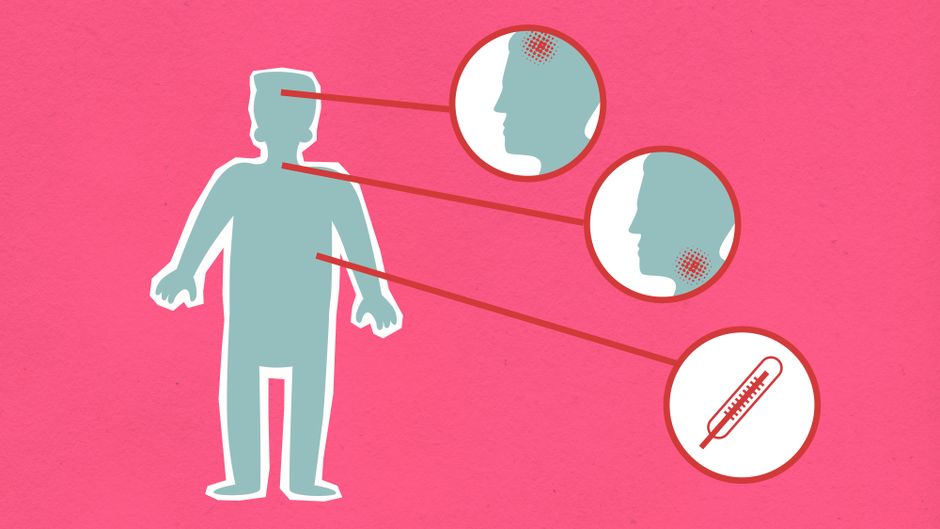
HELLP symptoms are easy to mistake for ordinary late-pregnancy discomfort, which is part of what makes the condition so dangerous. The most common complaints are:
- Pain in the upper right abdomen or below the ribs
- Feeling tired or generally unwell
- Headache
- Nausea and vomiting
- Swelling, especially of the face and hands
- Blurred vision or other visual changes
Some women also notice a flu-like feeling, sudden weight gain from fluid, or bleeding that is hard to stop. Right upper belly pain is a classic clue because it can point to liver swelling. But symptoms overlap heavily with normal pregnancy aches, so the pattern alone is not enough to tell them apart.
Anyone pregnant or recently pregnant who has severe or worsening belly pain, a pounding headache, vision changes, or unusual bleeding should contact a doctor right away. Do not wait to see if it passes.




What Causes HELLP Syndrome?
The underlying cause is not fully known. The leading explanation centers on the placenta. In affected pregnancies, the placenta does not develop normally, and it appears to release substances into the mother’s bloodstream that injure blood vessels and trigger widespread inflammation.
That injury sets off the three features that define the condition. Red blood cells get damaged as they pass through narrowed, irritated vessels. The liver becomes swollen and inflamed, which leaks enzymes into the blood. Platelets are used up and destroyed faster than the body can replace them.
HELLP is not caused by anything a mother did. It is not linked to diet, exercise, or stress. It is a biological event tied to the pregnancy itself, and the only definitive treatment is delivery.
How Is HELLP Syndrome Diagnosed?
Diagnosis relies on blood tests. There is no single test that confirms HELLP, so doctors look at a cluster of results together. The three key findings are:
- Signs of red blood cell breakdown, such as a rising level of a substance called lactate dehydrogenase (LDH)
- Elevated liver enzymes, which signal liver stress
- A low platelet count
Doctors also check blood pressure, urine protein, and how well the blood clots. Imaging such as an ultrasound of the liver or abdomen may be used if there is concern about bleeding or other complications.
One tricky part: HELLP can be confused with other conditions that cause similar symptoms, including a severe viral infection, gallbladder disease, or a rare blood clotting disorder. That is why the full picture of lab results, symptoms, and pregnancy history matters more than any single number.
What Are the Risks and Complications?
HELLP can affect both mother and baby, and the risks are serious. For the mother, complications can include:
- Bleeding problems from low platelets
- Liver damage, including a rare but life-threatening liver rupture or bleeding into the liver
- Placental abruption, where the placenta separates from the uterus too early
- Fluid buildup in the lungs
- Kidney injury
- Stroke or seizures
For the baby, the main risks come from the pregnancy ending early. HELLP often means the baby must be delivered before the due date, which can lead to problems tied to prematurity, such as breathing difficulty and low birth weight.
HELLP can also recur in a future pregnancy. The chance is real but not certain, which is why any woman who has had it should be followed closely in later pregnancies.
How Is HELLP Syndrome Treated?
Delivery is the only cure. Once HELLP is diagnosed, the goal shifts to stabilizing the mother and delivering the baby as safely as possible. How fast that happens depends on how far along the pregnancy is, how severe the lab results are, and how the mother and baby are doing.
If the pregnancy is close to term, delivery usually happens quickly. If it is very early, doctors may try to buy a little time with close monitoring, blood pressure control, and sometimes medicines called corticosteroids. Corticosteroids can help the baby’s lungs mature before birth. Their effect on the mother’s platelet count and liver enzymes is less clear, and this remains an area where practice varies.
Supportive care during this time may include:
- Magnesium sulfate to prevent or treat seizures
- Medicines to lower dangerously high blood pressure
- Blood transfusions, including platelets, if bleeding risk is high
After delivery, most women begin to improve within a few days, but recovery is not always smooth. Some women get worse in the first day or two after birth before they turn the corner. That is why monitoring continues after delivery, sometimes in an intensive care setting.
Can HELLP Syndrome Be Prevented?
There is no proven way to prevent HELLP. No diet, supplement, or lifestyle change has been shown to stop it. This is an important point, because it means a woman who develops HELLP did nothing to cause it.
What can be done is early detection. Regular prenatal visits allow doctors to catch rising blood pressure and abnormal lab results before they become an emergency. Women with a history of HELLP or preeclampsia may need more frequent monitoring, and some clinicians recommend low-dose aspirin for women at high risk of preeclampsia. Whether aspirin lowers the risk of HELLP specifically is not firmly established, so it should be discussed with a doctor rather than assumed.
Frequently Asked Questions
What is HELLP syndrome in simple terms?
It is a rare pregnancy complication that harms red blood cells, stresses the liver, and lowers platelets. It usually appears late in pregnancy or soon after birth and needs emergency care.
What are the warning signs of HELLP syndrome?
The most common signs are upper right belly pain, headache, nausea, tiredness, and swelling. Any severe or worsening symptom in late pregnancy should be checked right away.
Is HELLP syndrome the same as preeclampsia?
No, they are related but not identical. Most women with HELLP also have preeclampsia, but HELLP can occur on its own and can appear even when blood pressure is normal.
How is HELLP syndrome treated?
Delivery is the only cure, often along with medicines to control blood pressure and prevent seizures. Care continues after birth because some women worsen before they improve.
