
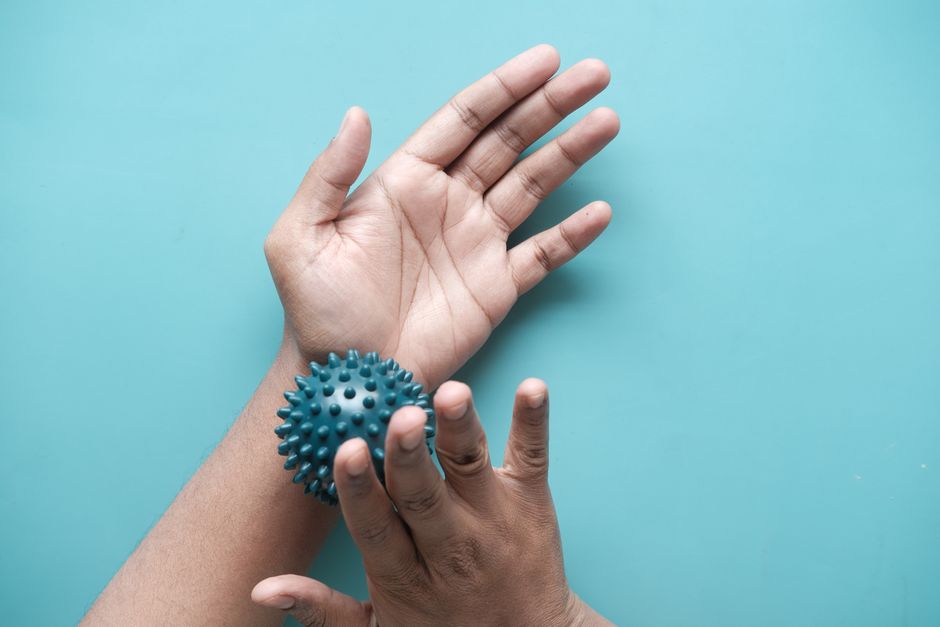
Carpal tunnel syndrome is a compression problem, not a circulation problem, and that distinction matters for every treatment choice you make. The median nerve gets squeezed as it passes through a narrow tunnel at your wrist, and that pressure causes the numbness, tingling, and weakness people describe. Some cases respond well to non-surgical care, especially when symptoms are mild and caught early. Others do not, and no natural approach reverses permanent nerve damage once it has occurred.
What Actually Happens in Carpal Tunnel Syndrome?
The carpal tunnel is a passageway on the palm side of your wrist. Its floor and walls are formed by small wrist bones called carpal bones. Its roof is a tough band of connective tissue called the transverse carpal ligament. Through this tunnel run the median nerve and the tendons that bend your fingers.
The tunnel is not stretchy. When the tissue inside it swells, or when the space itself narrows, the median nerve gets compressed. That compression disrupts the nerve’s ability to send signals. The result is the classic pattern: numbness and tingling in the thumb, index, middle, and part of the ring finger. The pinky finger is usually spared because a different nerve serves it.
This is why carpal tunnel syndrome is not the same as general hand pain. The symptoms follow the median nerve’s territory. A doctor can often distinguish it from other causes of hand numbness just by asking which fingers are affected.
Early on, symptoms come and go. They often wake people at night, and shaking the hand can relieve them temporarily. Over time, if pressure continues, the nerve can lose its protective myelin covering and eventually its fibers. At that point numbness can become constant and the thumb muscle at the base of the hand can waste away. That stage is much harder to reverse.
Can Carpal Tunnel Syndrome Be Reversed Naturally?
Mild to moderate cases sometimes improve with non-surgical measures. Severe cases with muscle wasting or constant numbness generally do not, and delaying surgery in those situations can lead to permanent loss.
The word “reverse” needs care here. Nerve compression that has not yet damaged the nerve can resolve if the pressure is relieved. Nerve damage that has already occurred is a different situation. The myelin sheath can regenerate slowly, but lost nerve fibers do not grow back reliably.
So the honest answer is this: natural approaches can help some people, particularly those with mild symptoms and no muscle loss. They are not a substitute for medical evaluation, and they are not proven to reverse advanced disease.
Anyone with constant numbness, dropping objects, or visible thinning of the thumb muscle should see a clinician. Those are signs the nerve may already be damaged.
What Natural Approaches Have Real Evidence Behind Them?
Several non-surgical approaches are used in clinical practice, but the strength of evidence varies widely. Here is what is reasonably supported and what is not.
Wrist splinting at night is one of the most common first-line treatments. Keeping the wrist in a neutral position reduces pressure inside the tunnel during sleep, when symptoms often peak. Many clinicians recommend it, and it is generally considered low-risk. The evidence for splinting is moderate rather than overwhelming, but it is widely used because it is safe and some people clearly benefit.
Activity modification is often suggested, though the link between repetitive hand use and carpal tunnel syndrome is more complicated than most people assume. Forceful, repetitive work with vibration does appear to raise risk in some studies. But many people with the condition have no obvious occupational trigger. Still, reducing sustained awkward wrist positions is reasonable and low-risk.
Nerve gliding exercises are used by physical and occupational therapists. The idea is to help the median nerve move more freely through the tunnel. Some studies suggest benefit, but results are mixed and the quality of evidence is not strong. They are generally safe when done correctly.
Yoga and stretching have been studied in small trials with some positive results for pain and grip strength. The studies are small, and larger trials have not confirmed the findings. It is fair to say some evidence suggests benefit, not that it is established.
Vitamin B6 has been proposed for decades, based on the idea that deficiency might contribute to nerve symptoms. Most studies have not found benefit in people with normal B6 levels, and high doses can cause nerve damage. This is a case where a popular idea has not held up well.
Anti-inflammatory approaches like ice or over-the-counter pain relievers may ease symptoms but do not address the underlying compression. They are symptom management, not reversal.





Which Natural Remedies Are Not Supported by Evidence?
A number of products are marketed for carpal tunnel relief with little or no supporting evidence. It is worth knowing which claims do not hold up.
- Magnetic wristbands and copper bracelets: No controlled studies support these for nerve compression.
- Essential oil blends marketed for nerve repair: No clinical evidence confirms they affect the median nerve or the tunnel.
- High-dose vitamin B6: Not only unproven for this condition, but high doses can cause peripheral neuropathy.
- Herbal “nerve regeneration” supplements: No large human trials have confirmed these work.
- Chiropractic adjustment of the wrist: No evidence supports manipulating the carpal bones to relieve median nerve compression.
This is not to say every supplement is worthless. It is to say that when a product claims to reverse carpal tunnel syndrome, the burden of proof is high, and most of these products have not met it.
When Do Natural Approaches Stop Being Enough?
There is a point where non-surgical care is no longer the right choice. Recognizing it matters because nerve damage from prolonged compression can become permanent.
Signs that natural approaches are not enough include:
- Constant numbness rather than intermittent tingling
- Weakness in the thumb, especially difficulty pinching or gripping
- Visible wasting of the muscle at the base of the thumb
- Symptoms that have not improved after several weeks of consistent splinting and activity changes
- Nerve conduction studies showing significant nerve damage
In these situations, surgery to release the transverse carpal ligament is often the most reliable option. It is one of the more common hand surgeries, and outcomes are generally good when done before severe nerve damage sets in. This is not a natural approach, but it is an honest part of the picture.
Corticosteroid injections into the tunnel are another option clinicians use. They can reduce swelling and relieve symptoms, sometimes for months. They are not a cure, and effects often wear off.
What Practical Steps Can You Take Today?
If you have mild symptoms and want to try non-surgical approaches first, a few steps are reasonable and low-risk.
Start with a night splint that holds your wrist in a neutral position. These are widely available and do not require a prescription, though a clinician or therapist can help you fit one properly. Wear it consistently for several weeks before judging whether it helps.
Take breaks from sustained hand positions. If you work with your hands, shift tasks and avoid keeping your wrist bent for long periods. This is common-sense advice rather than a proven intervention, but it is unlikely to cause harm.
Try nerve gliding exercises, ideally with guidance from a physical or occupational therapist. Doing them incorrectly can aggravate symptoms.
Address underlying conditions that raise risk. Diabetes, thyroid disease, obesity, and pregnancy are all associated with higher rates of carpal tunnel syndrome. Managing blood sugar and thyroid function where relevant is part of the broader picture. Pregnancy-related carpal tunnel often resolves after delivery.
See a clinician if symptoms persist, worsen, or include weakness. Early evaluation is the single most useful thing you can do, because the window for reversing nerve compression is wider before damage occurs.
Frequently Asked Questions
Can carpal tunnel syndrome go away on its own?
Mild cases sometimes improve without treatment, especially if a temporary cause like pregnancy is involved. Persistent or worsening symptoms usually need medical evaluation.
Do wrist splints really help carpal tunnel syndrome?
Night splinting is widely recommended and helps many people by keeping the wrist neutral during sleep. Evidence for its benefit is moderate, not definitive.
Is vitamin B6 effective for carpal tunnel syndrome?
Most studies have not found vitamin B6 helpful in people with normal levels, and high doses can damage nerves. It is not a recommended treatment.
When should I see a doctor for carpal tunnel symptoms?
See a clinician if you have constant numbness, thumb weakness, or muscle wasting, since these suggest nerve damage. Early evaluation improves the chance of successful treatment.
