
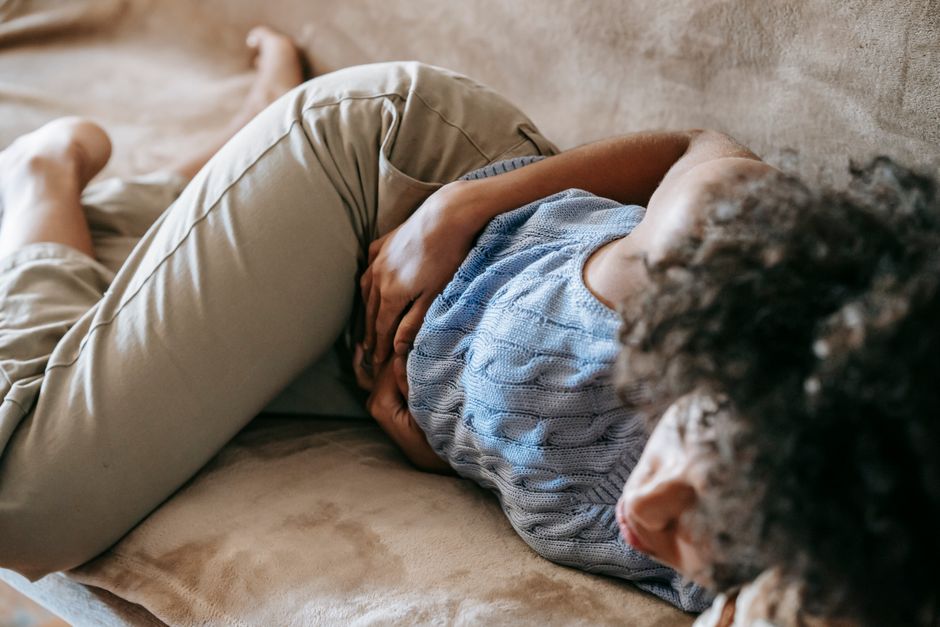
There is no single answer to which hurts more, because labor and a C-section cause pain in different ways, at different times, and for different lengths of time. Pain after a C-section is predictable and managed with medication, while the pain of natural birth is often more intense during labor but usually fades faster once it’s over. Most people who have experienced both describe labor contractions as more severe in the moment, but recovery from a C-section as a longer, steadier kind of pain.
What Is More Painful C-Section Or Natural Birth?
These are two fundamentally different experiences, and comparing them like a simple score misses the point. Natural birth pain comes mostly from contractions and the stretching of the birth canal. It builds, peaks, and then ends when the baby is born. C-section pain comes from a surgical incision through skin, fat, and the abdominal wall, plus the uterus. It starts after the surgery and lingers for weeks.
If you measure pain by peak intensity during the event itself, natural labor usually wins. Contractions are widely described as severe, and many people who deliver without an epidural rate them among the most intense pain they have felt. If you measure pain by how long it lasts and how much it affects daily life afterward, a C-section often comes out ahead. Recovery involves soreness with movement, coughing, laughing, and lifting for days to weeks.
It’s also worth separating pain from suffering. Pain is a physical signal. Suffering is how much that signal disrupts your life and sense of control. Labor pain can be overwhelming but is often buffered by the knowledge that it’s temporary and that it ends with a baby. Surgical pain can be less sharp but lasts longer and limits what you can do.
How Does Labor Pain Actually Work?
Labor pain has two distinct phases, and they feel different because they come from different sources. In early labor, the pain is mostly visceral. The uterus contracts, and the cervix stretches and opens. This pain is typically felt as cramping in the lower belly and lower back. It is often described as dull, aching, and hard to pinpoint.
As labor progresses and the baby moves down, the pain becomes somatic. The stretching of the pelvic floor and perineum produces a sharper, more localized pain. This is the phase many people describe as the most intense.
The intensity varies enormously between people. Position of the baby, speed of labor, whether it’s a first birth, and individual pain sensitivity all play a role. A fast labor can feel more overwhelming than a slow one, even if the total pain is similar, because there is less time to adjust.
One detail that often surprises people: the pain of labor is not a sign something is wrong. It is a normal part of the process. That doesn’t make it easier, but it changes how it is experienced. Many people find that understanding the purpose of the pain makes it more bearable.
What Does C-Section Recovery Pain Feel Like?
A C-section is major abdominal surgery. The surgeon cuts through skin, fat, and the abdominal wall, then opens the uterus to deliver the baby. All of those layers are repaired afterward. The pain that follows is a surgical recovery pain, not a muscle or contraction pain.
In the first day or two, most people describe a constant soreness and a sharp pain when they move. Coughing, laughing, sneezing, and getting out of bed all pull on the incision. This is why hospitals teach people to splint the incision with a pillow when they cough. The pain is usually well controlled with medication in the hospital.
After discharge, the soreness gradually fades. Most people notice significant improvement within the first week or two, but some discomfort with movement can last several weeks. The incision itself may remain tender or numb for months.
There is a second layer of pain that gets less attention: gas pain. After abdominal surgery, the bowel slows down, and trapped gas can cause sharp, cramping pain in the abdomen and shoulders. This is often described as surprisingly severe and is not always relieved by standard pain medication. Walking and moving helps.




How Do the Two Compare in Intensity and Duration?
The clearest way to compare them is to separate intensity from duration. They don’t line up the same way.
| Feature | Natural Birth | C-Section |
|---|---|---|
| Peak pain intensity | Usually higher during active labor | Usually lower, but constant |
| When pain starts | Before delivery, during labor | After surgery |
| How long it lasts | Hours, ends after birth | Days to weeks after surgery |
| Pain control options | Epidural, breathing, movement, medication | Prescription pain medication, movement, splinting |
| Effect on daily activity | Limited during labor only | Limited for weeks after |
The pattern is consistent: labor pain is more intense but shorter. Surgical pain is less intense but longer. That’s why the question has no single answer. It depends on which kind of pain matters more to you.
Can You Control the Pain in Either Case?
Yes, and this changes the comparison significantly. Pain control is not equally available in every situation, but both types of birth offer options.
For labor, an epidural is the most effective form of pain relief. It blocks pain signals from the lower body while allowing you to stay awake and push. It doesn’t always work perfectly, and it can slow labor or cause a drop in blood pressure in some people. Other options include nitrous oxide, opioid medications, and non-drug methods like breathing, position changes, and warm water.
For a C-section, pain is managed with a spinal or epidural block during surgery, so you don’t feel the procedure itself. Afterward, pain is controlled with scheduled medication, often a combination of acetaminophen, ibuprofen, and sometimes an opioid for the first day or two. Many hospitals use a technique called a TAP block, which numbs the abdominal wall nerves and reduces the need for opioids.
One thing that is often understated: pain control after a C-section is not a sign of weakness. Taking medication as prescribed helps you move sooner, which lowers the risk of blood clots and speeds recovery. Untreated pain can actually slow healing.
Does One Cause More Long-Term Pain?
Most people recover fully from both, but the long-term picture differs. After a vaginal birth, lingering pain is usually related to perineal tears or episiotomy. These heal within weeks, though some people have discomfort with sex or sitting for longer.
After a C-section, the incision heals within a few weeks, but the area can stay numb or sensitive for months. Some people develop scar tissue that causes pulling or discomfort. A small number develop chronic pain at the incision site, though this is not common.
There is also the question of future births. A prior C-section can affect options for later deliveries, and scar tissue can sometimes cause pain during subsequent pregnancies. This is one reason the long-term comparison is not just about the initial recovery.
Neither path guarantees long-term pain, and neither guarantees a pain-free recovery. What matters most is having a care team that takes your pain seriously and a plan for managing it.
What Should You Expect If You’re Planning a Birth?
You cannot fully predict which will hurt more for you. But you can prepare for both possibilities.
- Ask about pain control options ahead of time, including what is available if labor does not go as planned.
- If you are having a C-section, ask how pain will be managed in the hospital and what you will take at home.
- Plan for help after a C-section. Lifting, driving, and household tasks may be limited for a couple of weeks.
- For labor, consider a childbirth class that covers both medication and non-drug comfort techniques.
- Tell your care team if your pain is not controlled. There are usually other options.
The honest answer is that both can hurt, and both are manageable. The pain of labor is usually more intense but shorter. The pain of a C-section is usually less intense but lasts longer. Which one feels worse depends on your body, your circumstances, and what kind of pain you find harder to tolerate.
Frequently Asked Questions
Is a C-section more painful than natural birth?
Most people report that labor contractions are more intense during the event, but C-section recovery pain lasts longer. The two are different enough that a direct comparison depends on whether you weigh peak intensity or duration.
How long does C-section pain last?
Most of the sharp pain fades within the first week or two, but soreness and tenderness around the incision can last several weeks. Some numbness or sensitivity at the scar can persist for months.
Can you give birth naturally after a C-section?
Yes, many people can have a vaginal birth after a C-section, often called a VBAC. Whether it is safe for you depends on your individual history, including the type of incision used and the reason for the prior C-section.
Which type of birth has a faster recovery?
Vaginal birth usually has a faster recovery because there is no abdominal surgery. C-section recovery involves healing from a major operation, which typically takes longer and limits activity for several weeks.
