
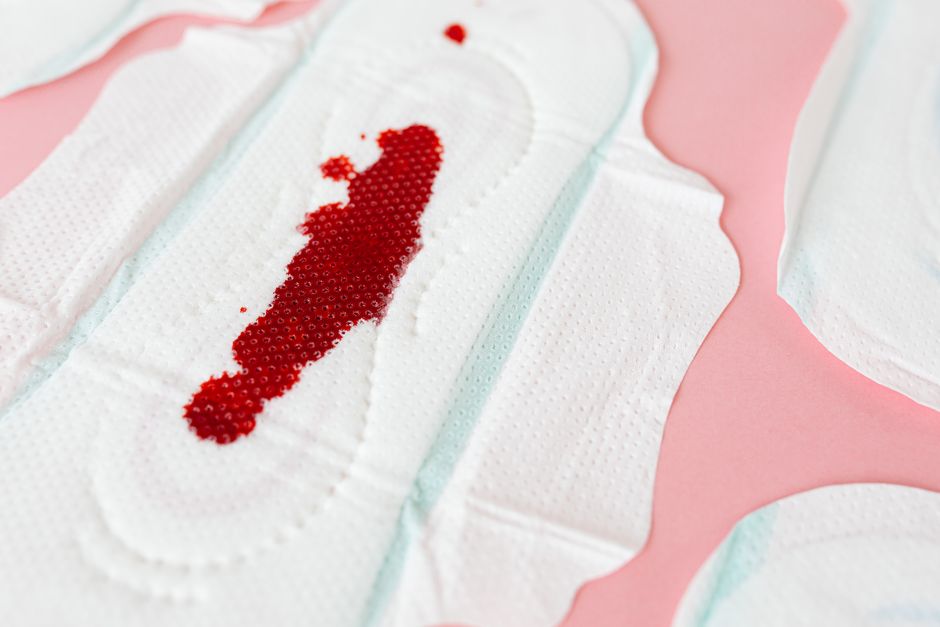
Spotting every two weeks is a specific pattern, and it usually points to one of a few distinct causes. The most common reason is ovulation bleeding, which happens mid-cycle when an egg is released from the ovary. Other causes include hormonal imbalances, uterine fibroids, polyps, or the early stages of perimenopause. If the spotting is light, brief, and happens around day 14 of your cycle, ovulation is the likely explanation. If the pattern is new, heavy, or accompanied by pain, you should see a clinician for an evaluation.
Why Am I Spotting Every 2 Weeks Causes Explained
Spotting on a strict two-week schedule is not random. It follows your menstrual cycle. A typical cycle lasts 21 to 35 days. Ovulation happens roughly in the middle. If your cycle is 28 days, ovulation occurs around day 14. Spotting at that exact time is called ovulation bleeding or mid-cycle spotting.
Ovulation bleeding happens when the follicle around the egg ruptures. This releases a small amount of fluid and blood into the pelvic cavity. Some of that blood makes its way down through the uterus and out of the vagina. The bleeding is usually light pink or light brown. It lasts a few hours to two days. It is not dangerous and does not require treatment.
Not everyone who ovulates experiences this. Studies suggest that only a small percentage of people notice mid-cycle bleeding. If you are tracking your cycle and seeing spotting every two weeks, count the days. If the spotting consistently falls in the middle of your cycle, ovulation is the most likely cause.
What Else Causes Spotting Every Two Weeks?
Ovulation is the most common explanation, but it is not the only one. Several conditions can create a two-week spotting pattern.
Hormonal imbalance is a frequent culprit. Estrogen and progesterone control the lining of your uterus. If these hormones fluctuate, the lining can shed at the wrong time. This often happens during perimenopause, the years leading up to menopause. Cycles become irregular. Spotting between periods is common during this transition. It can also happen in younger women due to stress, significant weight changes, or thyroid disorders.
Uterine fibroids are non-cancerous growths in the muscle wall of the uterus. They can cause bleeding between periods, especially if they grow near the uterine lining. Polyps are small, grape-like growths on the lining of the cervix or uterus. They are usually benign but can bleed easily.
Infections can also cause spotting. Sexually transmitted infections like chlamydia or gonorrhea can inflame the cervix. This inflammation can cause bleeding, especially after intercourse. Pelvic inflammatory disease is a more serious infection that can also cause irregular bleeding.
Less common causes include thyroid disease, polycystic ovary syndrome (PCOS), and in rare cases, precancerous changes in the uterine lining. If you are over 40 and experiencing new bleeding patterns, this last possibility becomes more relevant.
How Is Ovulation Spotting Different From Period Bleeding?
Distinguishing ovulation spotting from a period matters because the causes and implications are different.
- Timing: Ovulation spotting occurs mid-cycle. A period occurs at the end of your cycle.
- Amount: Ovulation spotting is very light. You may only see it when you wipe. A period requires a pad or tampon.
- Color: Ovulation spotting is typically pink or light brown. Period blood is usually bright red or dark red.
- Duration: Ovulation spotting lasts hours to two days. A period lasts three to seven days.
- Pain: Ovulation can cause a one-sided twinge called mittelschmerz. Period cramps are often a dull, aching pain across the lower abdomen.
If your bleeding is heavy enough to fill a pad or tampon every few hours, that is not spotting. That is abnormal bleeding and requires medical attention.




When Should You See a Doctor About Spotting?
Some spotting patterns are normal. Others are not. You should see a clinician if any of the following apply.
Spotting that happens every single cycle for several months deserves evaluation. Spotting that is new for you — meaning you have never experienced it before — also needs a check-up. Spotting after menopause is never normal. If you have not had a period for 12 months and then see any bleeding, contact your doctor immediately.
Seek urgent care if spotting is accompanied by severe pelvic pain, fever, dizziness, or if you might be pregnant. Bleeding in early pregnancy can be a sign of an ectopic pregnancy, which is a medical emergency.
Your clinician will likely start with a pelvic exam and a pregnancy test. They may order an ultrasound to look at your uterus and ovaries. Blood tests can check your hormone levels and thyroid function. Depending on your age and risk factors, they may recommend a biopsy of the uterine lining.
Can Birth Control Cause Spotting Every Two Weeks?
Yes. Hormonal birth control is a common cause of breakthrough bleeding. This is especially true in the first three months after starting a new method. The body is adjusting to the hormones. Spotting often resolves after this adjustment period.
Certain types of birth control are more likely to cause spotting. Progestin-only methods — like the mini-pill, implant, or hormonal IUD — are known for irregular bleeding. The copper IUD can also cause spotting between periods, though it is non-hormonal.
If you are missing pills or taking them at inconsistent times, you may experience breakthrough bleeding. This is because hormone levels fluctuate. If you are on a combined pill and miss active pills, the drop in hormones can trigger bleeding.
If spotting persists beyond three months on a new birth control method, talk to your clinician. They may suggest a different formulation or a different method entirely.
What Tests Will a Doctor Run for Spotting?
The evaluation depends on your age, symptoms, and medical history. A standard workup includes several steps.
A pelvic exam allows the clinician to see the cervix and feel the uterus and ovaries. They can identify visible polyps, cervical irritation, or signs of infection. A Pap smear screens for cervical cell changes. A pregnancy test is routine for anyone of reproductive age with abnormal bleeding.
A transvaginal ultrasound provides images of the uterus, ovaries, and uterine lining. It can detect fibroids, polyps, ovarian cysts, and thickening of the endometrium. This is the most useful imaging test for abnormal bleeding.
If the ultrasound shows a thickened uterine lining, or if you are over 45, a clinician may recommend an endometrial biopsy. This involves taking a small sample of the uterine lining for laboratory analysis. It rules out hyperplasia or cancer.
Blood tests typically include a complete blood count to check for anemia, thyroid function tests, and hormone levels. If an infection is suspected, they will test for sexually transmitted infections.
Can Stress Cause Spotting Every Two Weeks?
Stress can affect your cycle, but it rarely creates a precise two-week pattern. Stress influences the hypothalamus, the part of the brain that regulates hormones. High stress can delay ovulation or stop it altogether. This can make cycles longer or irregular.
When ovulation is delayed, the timing of your period shifts. You may experience spotting when your period is about to start. But this would not follow a consistent every-two-weeks schedule.
If your spotting is reliably every two weeks, the cause is more likely a structural or hormonal issue than stress. Stress may contribute to irregular bleeding, but it does not typically produce a predictable mid-cycle pattern.
Is Spotting Every Two Weeks a Sign of Cancer?
In most cases, no. The vast majority of spotting between periods is caused by benign conditions like ovulation, fibroids, polyps, or hormonal changes. However, abnormal bleeding can be a symptom of uterine cancer, particularly endometrial cancer.
Endometrial cancer is most common in postmenopausal women. It can also occur in younger women, especially those with risk factors. These include obesity, diabetes, polycystic ovary syndrome, and a family history of uterine or colon cancer.
The key distinction is pattern. Ovulation spotting is predictable and mid-cycle. Cancer-related bleeding is often unpredictable. It may be heavier, occur at random times, or happen after intercourse. It can also be accompanied by pelvic pain or a watery discharge.
Do not assume the worst. But do not dismiss persistent spotting either. A simple ultrasound and biopsy can provide a definitive answer.
What Can You Do About Spotting Every Two Weeks?
Treatment depends entirely on the cause. There is no universal remedy.
If ovulation is the cause, no treatment is needed. The spotting is harmless. Some clinicians suggest over-the-counter pain relievers if ovulation pain accompanies the bleeding. No clinical guidelines currently recommend any specific treatment for ovulation spotting itself.
If hormonal imbalance is the cause, hormonal birth control is often the first-line treatment. Combined oral contraceptives stabilize hormone levels and reduce breakthrough bleeding. For perimenopausal women, a low-dose birth control pill can regulate cycles and reduce spotting.
If fibroids or polyps are causing the bleeding, surgical removal may be recommended. Polypectomy removes polyps. Myomectomy removes fibroids while preserving the uterus. These are common outpatient or minimally invasive procedures.
If an infection is the cause, antibiotics will resolve it. If thyroid disease is the culprit, thyroid medication will usually regulate the cycle.
If you are tracking symptoms, keep a diary. Note the day of your cycle, the amount of bleeding, color, and any pain. This information helps your clinician make an accurate diagnosis faster.
Frequently Asked Questions
Can spotting every two weeks mean I am pregnant?
Implantation bleeding can cause light spotting, but it happens once, not every two weeks. If you are spotting on a consistent two-week schedule, pregnancy is unlikely to be the cause.
Is spotting every two weeks normal?
It can be normal if it is mid-cycle ovulation bleeding that is light and brief. If the pattern is new, heavy, or painful, it is not normal and warrants a medical evaluation.
How long does ovulation spotting last?
Ovulation spotting typically lasts from a few hours up to two days. Anything lasting longer than two days should be evaluated by a clinician.
Can fibroids cause spotting every two weeks?
Yes, fibroids can cause bleeding between periods, though the pattern is not always exactly every two weeks. An ultrasound can confirm whether fibroids are present.
