
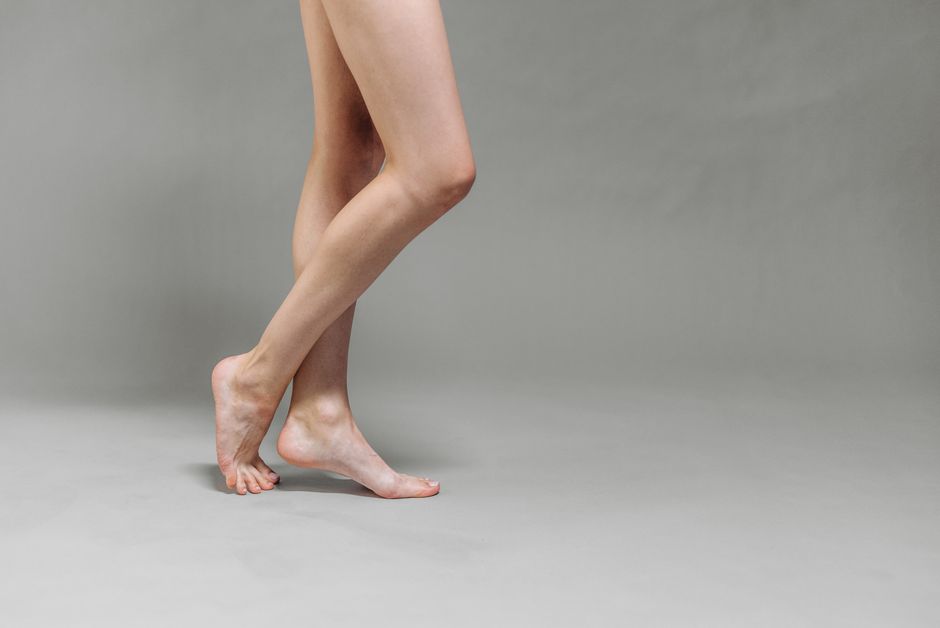
Standing for long periods can make your legs ache, throb, or feel heavy. For many people, this pain is a normal response to gravity and blood pooling in the lower legs. But when the pain becomes frequent or severe, it may point to an underlying condition that deserves attention.
What Causes Leg Pain When Standing?
The most common cause is venous insufficiency. This happens when the one-way valves inside your leg veins stop working properly. These valves normally push blood upward against gravity, back toward your heart. When they weaken, blood pools in the lower legs instead of returning upward.
That pooling stretches the vein walls. It causes fluid to leak into surrounding tissue. The result is that familiar heavy, aching, tired feeling in the calves and thighs.
Muscle fatigue also plays a role. Your calf muscles act as a secondary pump. When you stand still, that pump is idle. Blood moves more slowly. Oxygen delivery to muscle tissue drops. Pain and fatigue follow.
Why Do I Get Painful Legs When Standing — and Not When Walking?
Walking activates the calf muscle pump. Each step squeezes the deep veins in your calves. That squeeze propels blood upward and relieves pressure in the lower leg veins. Standing still does the opposite — no squeeze, no upward push, more pooling.
This is why many people with venous insufficiency feel better after a short walk. The pain returns when they stop and stand still again. If walking makes your leg pain worse rather than better, that is a different pattern. It may point to arterial disease, where narrowed arteries limit blood flow to the muscles.
Common Conditions Behind Standing Leg Pain
Several conditions can cause leg pain when standing. Each has distinct features.
- Chronic venous insufficiency — aching, heaviness, swelling that worsens through the day. Skin may become discolored or itchy near the ankles.
- Varicose veins — bulging, twisted veins visible under the skin. They often cause throbbing or burning discomfort.
- Peripheral artery disease (PAD) — cramping pain in the calves or thighs that occurs with walking and eases with rest. Less common, but more serious.
- Nerve compression — conditions like sciatica or lumbar spinal stenosis can cause pain that radiates down the leg. This pain often worsens with standing and eases with sitting or leaning forward.
- Muscle strain or overuse — recent increases in standing time can strain calf or foot muscles. This usually improves with rest over days to weeks.
These conditions are not mutually exclusive. A person can have both venous insufficiency and nerve compression. A healthcare provider can help sort out which is driving your symptoms.


When Leg Pain Means Something More Serious
Most standing leg pain is not an emergency. But some symptoms require immediate medical attention.
Seek urgent care if leg pain comes with:
- Chest pain or shortness of breath
- Sudden swelling in one leg only
- Redness, warmth, or tenderness in one calf
- Skin that is pale, blue, or cold to the touch
- Pain that wakes you from sleep
These symptoms can signal a deep vein thrombosis (DVT) or severe arterial blockage. DVT is a blood clot in a deep vein. It is treatable, but it requires prompt diagnosis. A clot that breaks loose can travel to the lungs — a condition called pulmonary embolism, which is life-threatening.
One-sided swelling is a key warning sign. Venous insufficiency typically affects both legs, though often one side is worse. A sudden, painful swelling in a single leg is a different pattern and warrants evaluation.
How to Reduce Leg Pain From Standing
If your pain is related to venous insufficiency or simple muscle fatigue, several strategies can help. These are general measures, not medical prescriptions.
Move frequently. Shift your weight from one leg to the other. Rise onto your toes. Walk a few steps every 20 to 30 minutes. Any calf muscle contraction helps move blood upward.
Wear compression stockings. These graduated stockings are tightest at the ankle and looser higher up. They help veins push blood back toward the heart. They are available over the counter in light and medium compression. Higher compression levels require a prescription. A healthcare provider can guide you on the right fit and pressure.
Elevate your legs when resting. Lying down with your legs raised above heart level helps drain pooled blood. Even 15 to 20 minutes can noticeably reduce aching.
Stay hydrated. Dehydration thickens the blood slightly and can make circulation less efficient. There is no strong evidence that hydration alone cures standing leg pain, but adequate fluid intake supports normal circulation.
Maintain a healthy weight. Excess abdominal weight increases pressure on leg veins. Weight loss, when needed, can reduce venous symptoms. The effect is gradual, not immediate.
What About Footwear and Posture?
Shoes matter more than most people realize. Flat shoes offer no arch support. High heels shorten the calf muscle and change how the leg absorbs weight. A supportive shoe with a small heel — about 1 to 2 centimeters — often feels best for prolonged standing.
Posture also plays a role. Locking your knees backward puts unnecessary strain on the leg veins and joints. Standing with knees slightly bent and weight evenly distributed reduces that strain. Anti-fatigue mats at workstations can absorb some of the impact, though their benefit is primarily comfort rather than circulatory improvement.
When to See a Doctor
Occasional leg pain after a long day of standing is common and usually not a concern. But you should seek medical advice if the pain is persistent, worsening, or interfering with daily activities.
See a doctor if you notice:
- Pain that does not improve with rest or elevation
- Swelling that does not go down overnight
- Skin changes — darkening, hardening, or open sores near the ankle
- Pain that occurs with walking short distances and forces you to stop
- Leg pain that disrupts sleep
A primary care doctor can perform an initial evaluation. They may order a venous duplex ultrasound to check for venous insufficiency or a test called an ankle-brachial index to check for arterial disease. These are simple, noninvasive tests that provide clear answers.
Treatment Options for Chronic Venous Insufficiency
For people diagnosed with venous insufficiency, treatment goes beyond self-care. Compression therapy remains the foundation. Most people need medical-grade compression stockings worn daily.
When compression alone is not enough, several minimally invasive procedures exist. Endovenous ablation uses heat or laser energy to close faulty veins. Sclerotherapy involves injecting a solution that scars and closes the vein. These procedures redirect blood flow to healthier veins. They are outpatient procedures with short recovery times.
These treatments are effective for symptom relief, but they do not cure the underlying tendency toward vein weakness. Veins that were not treated can eventually fail. Maintenance with compression and lifestyle measures continues to matter.
What Does Not Help — and What the Evidence Actually Shows
The internet is full of claims about leg pain remedies. Some have no evidence behind them.
Horse chestnut seed extract has some research support for reducing leg swelling and pain in venous insufficiency. Some studies show modest benefit. But the quality of evidence is mixed, and the extract can interact with blood thinners. Do not take it without discussing it with a doctor.
Magnesium supplements are often marketed for leg cramps. The evidence for magnesium helping with cramps is weak. It may help people who are genuinely deficient, but most people are not. Routine supplementation for leg pain is not supported by evidence.
Topical creams claiming to “dissolve” varicose veins do not work. No topical product can penetrate deeply enough to affect vein valves. These creams may temporarily cool or numb the skin, but they do not change the underlying condition.
Vitamin K creams are marketed for spider veins and bruising. There is no reliable evidence that they improve venous insufficiency or varicose veins.
Frequently Asked Questions
Why do my legs hurt only when I stand still but not when I walk?
Walking activates the calf muscle pump, which pushes blood upward and relieves venous pressure. Standing still leaves that pump idle, so blood pools in the lower legs and causes aching.
Can compression stockings really help with standing leg pain?
Yes. Graduated compression stockings are the most consistently supported treatment for venous-related leg pain and swelling. They work best when fitted properly and worn consistently during standing hours.
Is leg pain from standing a sign of poor circulation?
Often it is. Venous insufficiency is a form of poor circulation where blood has trouble returning to the heart. However, true arterial circulation problems usually cause pain with walking, not standing.
When should I worry about leg pain when standing?
Worry if the pain is in one leg only with swelling, redness, or warmth, or if it comes with chest pain or shortness of breath. Those symptoms require urgent medical evaluation.
