
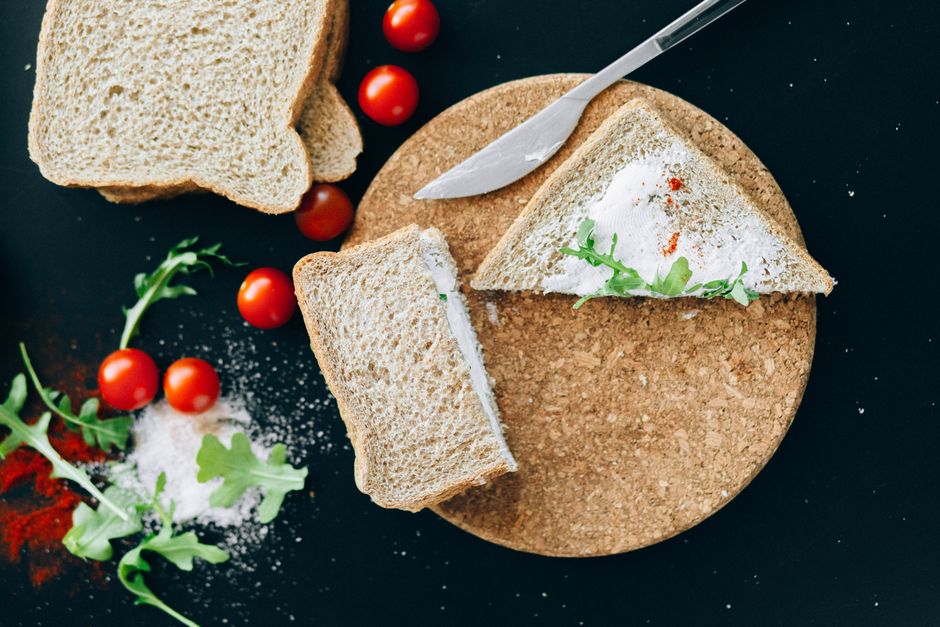
Miracle Whip is a creamy, tangy salad dressing that has been sold in the United States since 1933. It is often compared to mayonnaise, but it is not the same product. Mayonnaise is made primarily from oil, egg yolks, and vinegar or lemon juice. Miracle Whip contains less oil and adds sugar and a unique spice blend, giving it a sweeter, more pronounced tang than traditional mayo.
What Is Miracle Whip Made Of?
Miracle Whip starts with a base of water, soybean oil, and vinegar. It also contains high fructose corn syrup or sugar, which gives it the sweet flavor that sets it apart from mayonnaise. Modified food starch and other thickeners help give it a stable, creamy texture.
The ingredient list also includes egg yolks, which is why it looks similar to mayo. However, the ratio of ingredients is different. Mayonnaise must contain at least 65% oil by weight to meet the legal standard of identity set by the FDA. Miracle Whip does not meet this standard, so it cannot legally be labeled as mayonnaise in the United States. It is classified as a salad dressing.
The spice blend in Miracle Whip is proprietary. Most people describe it as a mix of paprika, garlic, and onion powder, though the exact recipe is a trade secret. This spice mix, combined with the sugar, creates the distinct flavor that has loyal fans and strong detractors.
How Is Miracle Whip Different From Mayonnaise?
The most important difference is taste. Mayonnaise is savory, rich, and tangy from vinegar or lemon juice. Miracle Whip is sweeter and thinner. It has a brighter, sharper tang that some people describe as “zingy.”
There are also nutritional differences. Because Miracle Whip uses less oil and more water, it has fewer calories and less fat per serving than real mayonnaise. A standard tablespoon of regular mayonnaise contains about 90 calories and 10 grams of fat. A tablespoon of Miracle Whip contains about 35 calories and 3.5 grams of fat. These numbers are based on standard USDA food data and are consistent across major brands.
Texture matters too. Mayonnaise is thick and dense. Miracle Whip is looser and spreads more easily. This makes it a common choice for people who want a lighter feel on sandwiches without the heaviness of full-fat mayo.
Why Was Miracle Whip Created?
Miracle Whip was introduced during the Great Depression. Mayonnaise was expensive because it required large amounts of oil. The Kraft company, now Kraft Heinz, developed a cheaper alternative that used more water and vinegar to stretch the ingredients further.
The name came from a contest. Kraft held a competition to name the new product, and a salesman from Oregon submitted “Miracle Whip.” The name stuck. It was an instant success, and it has remained a staple in American refrigerators for nearly a century.
The product was also part of a broader shift in American food manufacturing. Processed foods became more common in the 1930s as refrigeration improved and distribution networks expanded. Miracle Whip was one of the first mass-marketed salad dressings that did not require refrigeration until after opening, which made it easier to sell nationwide.





Is Miracle Whip Healthier Than Mayonnaise?
It depends on what you mean by “healthier.” Miracle Whip has fewer calories and less fat per serving. For people watching their weight or trying to reduce fat intake, that can be a meaningful difference.
However, Miracle Whip contains added sugar. A single tablespoon has about 2 grams of sugar, mostly from high fructose corn syrup or corn syrup. Mayonnaise typically has zero sugar. If you are limiting added sugars, this is a trade-off.
Neither product is a health food. Both are processed condiments. The oil in Miracle Whip is usually soybean oil, which is high in omega-6 fatty acids. Most Americans already consume far more omega-6s than omega-3s, and some research suggests this imbalance may contribute to inflammation. But the amount in a single serving of dressing is small, and occasional use is unlikely to have a major impact on overall health.
The honest answer is that Miracle Whip is a lower-fat, lower-calorie option that comes with added sugar. If you prefer the taste and you are using it in normal serving sizes, it is a reasonable choice. If you are strictly avoiding added sugars, regular mayonnaise or a homemade dressing may be better for you.
Can You Use Miracle Whip Instead of Mayonnaise in Recipes?
Yes, but the result will taste different. Miracle Whip works well in recipes where its sweetness complements the other ingredients. Potato salad, macaroni salad, and coleslaw are common examples. The sugar and tang can enhance the flavor of these dishes.
Miracle Whip is not a good substitute in recipes where mayonnaise is a primary flavor and the recipe relies on its richness. Aioli, hollandaise sauce, or any dish where mayo is meant to be the star will taste noticeably sweeter and thinner if you swap in Miracle Whip.
Baking is another area where the two are not interchangeable. Some cake recipes use mayonnaise to add moisture. Miracle Whip has a different moisture content and added sugar, which can change the texture and sweetness of the final product. If a recipe specifically calls for mayonnaise, use mayonnaise.
What Do People Use Miracle Whip For?
Sandwiches are the most common use. The tangy flavor pairs well with deli meat, cheese, and lettuce. It is also a popular base for dips, especially when mixed with sour cream or plain yogurt.
Some people use it as a topping for hot vegetables. A spoonful of Miracle Whip on steamed broccoli or green beans was a common mid-century American side dish. The sweetness balances the bitterness of some vegetables.
It is also used in salads. Tuna salad, chicken salad, and egg salad can all be made with Miracle Whip instead of mayo. The result is a lighter, sweeter salad that some people strongly prefer.
Is Miracle Whip Gluten-Free or Safe for People With Allergies?
Miracle Whip is generally considered gluten-free. The standard ingredient list does not include wheat, barley, or rye. However, people with celiac disease should always check the label because manufacturing processes can change.
The product does contain eggs. Anyone with an egg allergy must avoid it. It also contains soybean oil, which is highly refined and generally considered safe for people with soy allergies, but this depends on individual sensitivity. If you have a soy allergy, check with your doctor before consuming it.
Miracle Whip is not suitable for a vegan diet because it contains egg yolks. There are vegan mayonnaise brands available, but Miracle Whip is not one of them.
How Should You Store Miracle Whip?
An unopened jar of Miracle Whip can be stored in a cool, dry pantry. Once opened, it must be refrigerated. The label instructs consumers to refrigerate after opening to maintain quality and safety.
An opened jar will typically stay fresh for several months in the refrigerator, but always check the expiration date and look for signs of spoilage. If the color changes, the texture separates permanently, or an off odor develops, throw it out. Do not taste food that looks or smells spoiled.
Frequently Asked Questions
Is Miracle Whip the same as mayonnaise?
No. Mayonnaise must contain at least 65% oil by weight, while Miracle Whip contains less oil, more water, and added sugar, which makes it a salad dressing rather than a mayonnaise.
Why does Miracle Whip taste sweet?
Miracle Whip contains added sugar or high fructose corn syrup, which gives it a distinctly sweet flavor that traditional mayonnaise does not have.
Can you use Miracle Whip in place of mayo in deviled eggs?
You can, but the filling will be sweeter and thinner. Some people enjoy this variation, while others find it does not match the rich flavor of classic deviled eggs made with mayonnaise.
Does Miracle Whip need to be refrigerated?
Yes, after opening. An unopened jar can be stored in the pantry, but once opened, it must be kept in the refrigerator to maintain quality and safety.
