
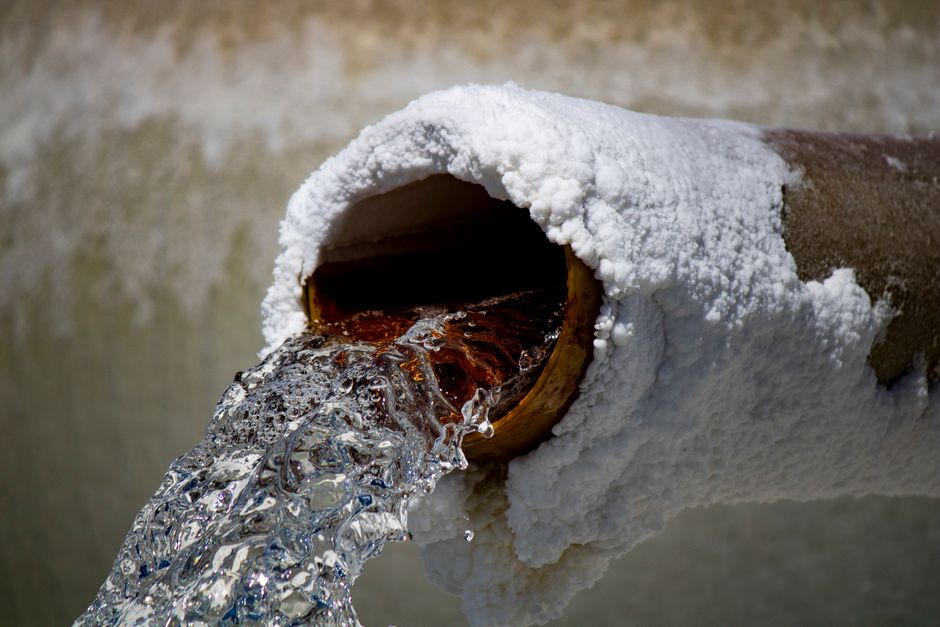
Mineral hydraulic fluid is a petroleum-based oil used in machinery to transfer power through hydraulic systems. It acts as the lifeblood of equipment like excavators, forklifts, and industrial presses. Its main job is to push pistons, turn motors, and lubricate moving parts under high pressure.
What Exactly Is Mineral Hydraulic Fluid?
Mineral hydraulic fluid starts as crude oil that gets refined and treated with additives. The base oil comes from petroleum, unlike synthetic fluids made in a lab or biodegradable fluids from vegetable oils. Refineries distill the crude oil to remove impurities and then blend in chemicals that improve performance.
The American Petroleum Institute (API) sets standards for these base oils. Most mineral hydraulic fluids fall into API Group I or Group II categories. Group I oils have less refining and more sulfur. Group II oils go through hydrocracking, which makes them more stable and consistent. Group III oils are highly refined but some experts consider them synthetic even though they start as petroleum.
Manufacturers add about 5 to 15 percent additives by volume. These additives handle specific jobs like preventing rust, reducing foam, and stopping wear on metal surfaces. Without additives, plain mineral oil would fail quickly in a hydraulic system.
What Are the Key Properties of Mineral Hydraulic Fluid?
The most important property is viscosity, which measures how thick the fluid is at different temperatures. The International Organization for Standardization (ISO) grades hydraulic fluids by viscosity. ISO 32, ISO 46, and ISO 68 are common grades. A lower number means thinner fluid. A higher number means thicker fluid. The wrong viscosity causes sluggish operation or excessive wear.
Viscosity index (VI) tells you how much the fluid thins out when hot or thickens when cold. A high VI means the fluid stays more stable across temperature changes. Mineral hydraulic fluids typically have a VI between 95 and 105. Some premium versions reach 120 with special additives.
Other critical properties include:
- Oxidation stability — how well the fluid resists chemical breakdown from heat and air exposure. Poor stability leads to sludge and varnish buildup.
- Demulsibility — the ability to separate from water. Water contamination causes rust and reduces lubrication. Mineral hydraulic fluid should separate from water quickly.
- Anti-wear performance — measured by standardized tests like the ASTM D2782 Four-Ball Wear Test. Zinc-based additives like zinc dialkyldithiophosphate (ZDDP) are common for protecting metal surfaces.
- Pour point — the lowest temperature at which the fluid still flows. For outdoor equipment in cold climates, pour point matters a lot.
The National Fluid Power Association (NFPA) publishes specifications that many equipment manufacturers reference. These standards ensure the fluid meets minimum performance requirements.
What Are the Main Uses of Mineral Hydraulic Fluid?
Mineral hydraulic fluid powers construction equipment like bulldozers, backhoes, and cranes. These machines rely on hydraulic cylinders to lift heavy loads and move earth. The fluid must handle pressures from 1,500 to 5,000 psi in typical systems. Some industrial presses operate at even higher pressures.
Agricultural machinery uses mineral hydraulic fluid extensively. Tractors, combines, and sprayers all have hydraulic systems for steering, lifting implements, and operating attachments. The fluid in these machines often serves double duty as transmission oil and brake fluid in some tractor designs.
Manufacturing plants use mineral hydraulic fluid in injection molding machines, stamping presses, and material handling equipment. These systems run continuously for long shifts. The fluid circulates through filters and heat exchangers to stay clean and cool. A single large press might hold 200 gallons or more of hydraulic fluid.
Mobile equipment like garbage trucks, snow plows, and aerial work platforms also depend on mineral hydraulic fluid. The fluid must work reliably in outdoor conditions with temperature swings and exposure to dirt and moisture.





How Does Mineral Hydraulic Fluid Compare to Other Types?
Choosing between mineral, synthetic, and biodegradable hydraulic fluids depends on the application. Each type has strengths and weaknesses. Here is a direct comparison:
| Property | Mineral Hydraulic Fluid | Synthetic Hydraulic Fluid | Biodegradable Hydraulic Fluid |
|---|---|---|---|
| Base material | Refined petroleum | Chemically manufactured (polyalphaolefins, esters) | Vegetable oils or synthetic esters |
| Typical cost | Low to moderate | Moderate to high | High |
| Temperature range | -20°F to 180°F (common) | -40°F to 250°F or wider | -10°F to 160°F (narrower) |
| Oxidation life | Good with additives | Excellent | Moderate |
| Environmental impact | Non-biodegradable, toxic to aquatic life | Varies by type, some are biodegradable | Readily biodegradable, low toxicity |
| Fire resistance | Poor (flammable) | Some types are fire-resistant | Poor |
| Common applications | Construction, agriculture, general manufacturing | Extreme temperatures, high-pressure systems | Forestry, marine, near waterways |
Mineral hydraulic fluid is the most widely used because it balances cost and performance. For most equipment operating in moderate conditions, it is the right choice. Synthetic fluids cost two to four times more but last longer and work in extreme temperatures. Biodegradable fluids are required in environmentally sensitive areas like forests and watersheds.
What Does Research on Mineral Hydraulic Fluid Properties Show?
Studies published by the Society of Tribologists and Lubrication Engineers (STLE) show that mineral hydraulic fluid degrades through three main mechanisms: thermal breakdown, oxidation, and contamination. Thermal breakdown happens when fluid gets above 180°F consistently. Each 18°F increase above that temperature cuts fluid life in half. This is a well-established rule in lubrication engineering.
Research from the National Renewable Energy Laboratory (NREL) has examined the environmental fate of mineral hydraulic fluids. Their findings show that mineral oils persist in soil and water for years. This is why biodegradable alternatives are mandated in some applications. The U.S. Environmental Protection Agency (EPA) has regulations about spills and disposal of mineral hydraulic fluids.
Some studies suggest that the anti-wear additive ZDDP in mineral hydraulic fluid forms a protective layer on metal surfaces through a chemical reaction. This layer reduces friction and prevents metal-to-metal contact. The effectiveness depends on temperature, pressure, and the presence of water. Too much water in the fluid stops ZDDP from working properly.
What Are Common Misconceptions About Mineral Hydraulic Fluid?
A widespread myth is that all hydraulic fluids are the same and can be mixed freely. This is false. Mixing different brands or types can cause additive incompatibility. Some additives react with each other and form sludge. The fluid can lose its anti-wear properties or become corrosive. Always check the equipment manual before topping off.
Another misconception is that darker fluid always means it needs changing. Color change can indicate oxidation, but some fluids naturally darken with use while still performing fine. The reliable way to check fluid condition is through oil analysis. Laboratories test for viscosity, acid number, water content, and particle count. These numbers tell you the real condition.
Some people believe that higher viscosity fluid always provides better protection. In reality, using fluid that is too thick causes sluggish operation, higher energy consumption, and increased heat generation. The equipment manufacturer specifies the correct viscosity grade for a reason. Using the wrong grade shortens component life.
How Should You Select Mineral Hydraulic Fluid?
Start with the equipment manufacturer’s recommendation. The manual specifies the ISO viscosity grade and any required performance standards like Denison HF-0 or Eaton Vickers 35VQ25. These standards are not marketing terms. They are actual test protocols that the fluid must pass. Using fluid that meets these standards ensures the pump and valves work as designed.
Consider the operating temperature range of your equipment. If the machine works outdoors in Minnesota winters, you need a fluid with a low pour point and high viscosity index. If it runs indoors in a climate-controlled factory, a standard ISO 46 fluid works fine. Some manufacturers offer multi-grade hydraulic fluids that behave like a thinner fluid in cold weather and a thicker fluid in hot weather.
Check whether the fluid is compatible with the seals in your system. Mineral hydraulic fluid is compatible with most common seal materials like Buna-N and Viton. But some seal materials swell or shrink when exposed to certain additives. If you are switching brands, ask the supplier for compatibility data. A seal failure causes leaks and system downtime.
Frequently Asked Questions
Can I mix mineral hydraulic fluid with synthetic hydraulic fluid?
Mixing them is not recommended because the additives may not be compatible. If you must top off in an emergency, use the same type and brand that is already in the system.
How often should I change mineral hydraulic fluid?
Change intervals depend on operating conditions but typically range from 1,000 to 4,000 hours. Oil analysis is the most reliable way to determine when the fluid actually needs changing.
Is mineral hydraulic fluid flammable?
Yes, mineral hydraulic fluid is flammable. It has a flash point typically between 300°F and 450°F. Systems near ignition sources should use fire-resistant fluids instead.
What does ISO viscosity grade mean for hydraulic fluid?
ISO viscosity grade numbers represent the fluid’s thickness at 104°F. ISO 46 means the fluid has a viscosity of 46 centistokes at that temperature. Higher numbers mean thicker fluid.
