
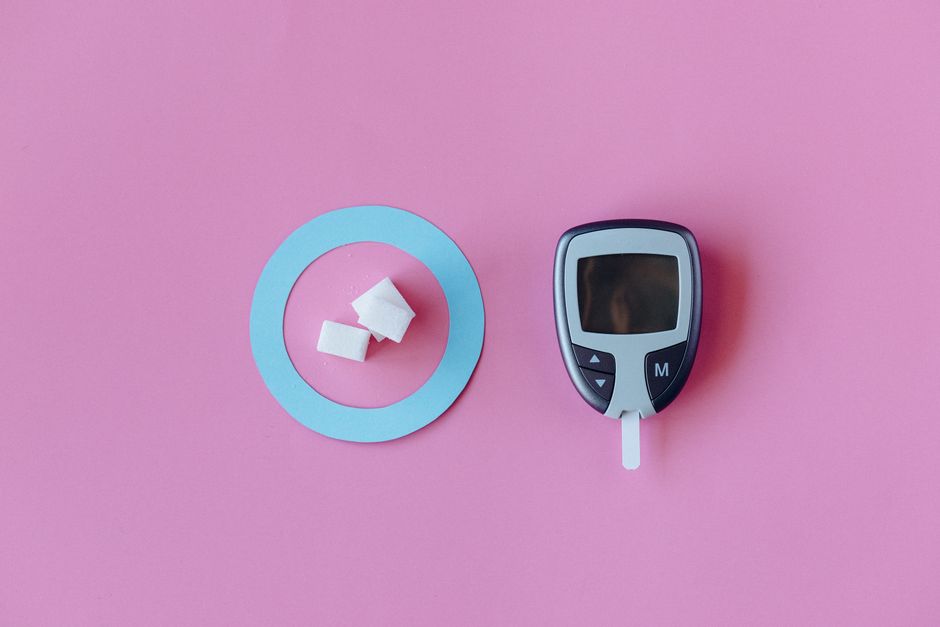
Metabolic shock is a serious medical condition where your body’s cells cannot get or use energy properly. It happens when blood flow drops too low, often from severe infection, major injury, or sudden heart problems. The condition has three stages — early, middle, and late — and each stage needs different medical care. Treatment focuses on fixing the underlying cause, restoring blood flow, and supporting vital organs. Without quick treatment, metabolic shock can lead to organ failure and death.
What Actually Causes Metabolic Shock?
Metabolic shock starts when your body cannot deliver enough oxygen and nutrients to your cells. This usually happens because blood pressure drops too low or blood flow becomes uneven. The most common causes fall into a few clear categories.
Severe infections are a major cause. When bacteria enter your bloodstream, your immune system overreacts and causes widespread inflammation. This condition, called sepsis, makes blood vessels leak fluid and blood pressure drops. The CDC reports that sepsis affects about 1.7 million adults in the US each year and is a leading cause of metabolic shock.
Major injuries or trauma can also trigger it. Severe burns, heavy bleeding from a car accident, or a serious fall can cause blood loss so fast that organs do not get enough oxygen. Heart attacks and other heart problems are another common cause. When the heart cannot pump blood effectively, every organ in the body starts to struggle.
Some cases come from severe allergic reactions, called anaphylaxis. Others stem from spinal cord injuries that disrupt the nervous system’s control of blood pressure. Less common causes include severe dehydration, pancreatitis, and certain drug overdoses.
What Are the Three Stages of Metabolic Shock?
Doctors divide metabolic shock into three stages: compensated, decompensated, and irreversible. Each stage has different symptoms and requires different medical responses.
Stage 1: Compensated shock. In this early stage, your body tries to fix the problem on its own. Your heart beats faster to pump more blood. Your blood vessels in the arms and legs narrow to send blood to vital organs like the brain and heart. You may feel cold, clammy, and anxious. Blood pressure often stays normal at this stage because the body is working hard to maintain it. A person in compensated shock can still talk and move, but they look unwell.
Stage 2: Decompensated shock. The body’s attempts to compensate start failing. Blood pressure drops. Organs begin to suffer from lack of oxygen. The person becomes confused or drowsy. Urine output drops because the kidneys are struggling. Skin turns pale and feels cool. This stage is a medical emergency that needs immediate hospital care. Without treatment, the person may lose consciousness.
Stage 3: Irreversible shock. This is the final and most dangerous stage. Cells start dying from lack of oxygen. Multiple organs begin to fail — the kidneys stop making urine, the lungs fill with fluid, and the liver stops processing toxins. The heart may develop dangerous rhythms. At this stage, even aggressive medical treatment may not save the person. The chance of survival drops sharply.
How Do Doctors Diagnose Metabolic Shock?
Diagnosis happens fast because time matters. Doctors look for three key signs: low blood pressure, signs of poor organ function, and evidence that cells are not getting enough oxygen.
A blood pressure reading below 90 systolic or a drop of more than 40 points from the person’s normal is a red flag. Doctors also check heart rate, breathing rate, and temperature. Lab tests play a big role. Blood tests check for high lactate levels, which show that cells are making energy without oxygen — a sign of shock. Kidney function tests, liver enzymes, and blood gas measurements all help doctors understand how far the shock has progressed.
Doctors also look for the cause. They may order chest X-rays, EKGs, or CT scans to find infections, heart damage, or internal bleeding. The faster doctors identify both the shock and its cause, the better the chances of survival.
Research published in the journal Critical Care Medicine shows that every hour of delay in treating septic shock raises the risk of death by about 8 percent. This is why emergency rooms move quickly when shock is suspected.





What Treatments Are Used for Metabolic Shock?
Treatment has three goals: fix the cause, restore blood flow, and support failing organs. Doctors do these things at the same time, not one after the other.
Fluids come first. Doctors give large amounts of IV fluids to raise blood pressure. Normal saline or balanced crystalloid solutions are common. A patient may receive several liters in the first hour. If fluids alone do not work, doctors add medications called vasopressors. These drugs narrow blood vessels to push blood pressure up. Norepinephrine is the most common first-choice vasopressor.
Treating the cause is essential. For infections, doctors start broad-spectrum antibiotics immediately. They also try to find and drain any abscesses or remove infected tissue. For bleeding, doctors work to stop the source — this may mean surgery, blood transfusions, or both. For heart attacks, doctors may open blocked arteries with angioplasty or give clot-busting drugs.
Organ support is critical. Many patients need a breathing tube and ventilator to help their lungs. Some need dialysis if their kidneys fail. Doctors monitor heart rhythm continuously and treat dangerous arrhythmias. Nutrition support through IV or feeding tubes helps the body repair itself.
The table below shows the main treatment approaches for different causes of metabolic shock.
| Cause of Shock | Primary Treatment | Additional Measures |
|---|---|---|
| Severe infection (sepsis) | IV fluids, broad-spectrum antibiotics | Source control, vasopressors if needed |
| Major bleeding | Blood transfusions, surgery to stop bleeding | IV fluids, vasopressors temporarily |
| Heart attack | Angioplasty or clot-busting drugs | Oxygen, heart rhythm monitoring |
| Severe allergic reaction | Epinephrine injection | IV fluids, antihistamines, steroids |
| Spinal cord injury | IV fluids, vasopressors | Treat underlying injury, monitor breathing |
What Is the Outlook for Someone With Metabolic Shock?
The outlook depends heavily on three things: the cause, how fast treatment starts, and the person’s overall health before the shock. Younger people with no other medical problems have better odds. Older adults and people with conditions like diabetes, heart disease, or kidney disease face higher risks.
Research published in JAMA found that about 30 to 50 percent of people with septic shock die in the hospital. For cardiogenic shock after a heart attack, the death rate ranges from 40 to 60 percent. For hemorrhagic shock from trauma, survival depends on how fast bleeding stops and how much blood is lost.
People who survive metabolic shock often face a long recovery. Some have lasting organ damage, especially to the kidneys. Others develop post-intensive care syndrome, which includes weakness, memory problems, and anxiety. Physical therapy and follow-up care are important for recovery.
Early recognition makes a real difference. Studies show that patients who receive treatment within the first hour have much better outcomes than those who wait. This is why public health campaigns encourage people to recognize warning signs — confusion, rapid breathing, cold skin, and low urine output — and seek emergency care immediately.
Common Misconceptions About Metabolic Shock
Many people confuse metabolic shock with emotional shock or feeling faint. Emotional shock after bad news is a psychological reaction, not a medical emergency. Feeling faint from standing up too fast is usually benign and resolves quickly. Metabolic shock is a physical collapse of the body’s energy systems that requires hospital treatment.
Another misconception is that drinking water or eating sugar can fix it. This is false. While severe dehydration can contribute to shock, drinking water cannot correct the underlying problem once shock has started. IV fluids given by medical professionals are the only safe way to restore blood volume.
Some people believe that metabolic shock only happens to older or sick people. While these groups are at higher risk, anyone can develop it. A healthy young athlete can go into shock from a severe allergic reaction, a traumatic injury, or a sudden infection. Age and health affect the odds but do not guarantee immunity.
Frequently Asked Questions
Can metabolic shock happen at home?
Yes, it can begin at home from infections, injuries, or allergic reactions. But it always requires emergency medical treatment in a hospital.
How fast does metabolic shock progress?
It can progress from the first stage to the final stage in hours. Some cases move faster, especially from severe bleeding or overwhelming infection.
Is metabolic shock the same as septic shock?
Septic shock is one type of metabolic shock caused by infection. Other types include cardiogenic shock from heart problems and hemorrhagic shock from blood loss.
Can you fully recover from metabolic shock?
Many people recover fully with prompt treatment. Some have lasting organ damage or need ongoing care, especially if treatment was delayed.
