
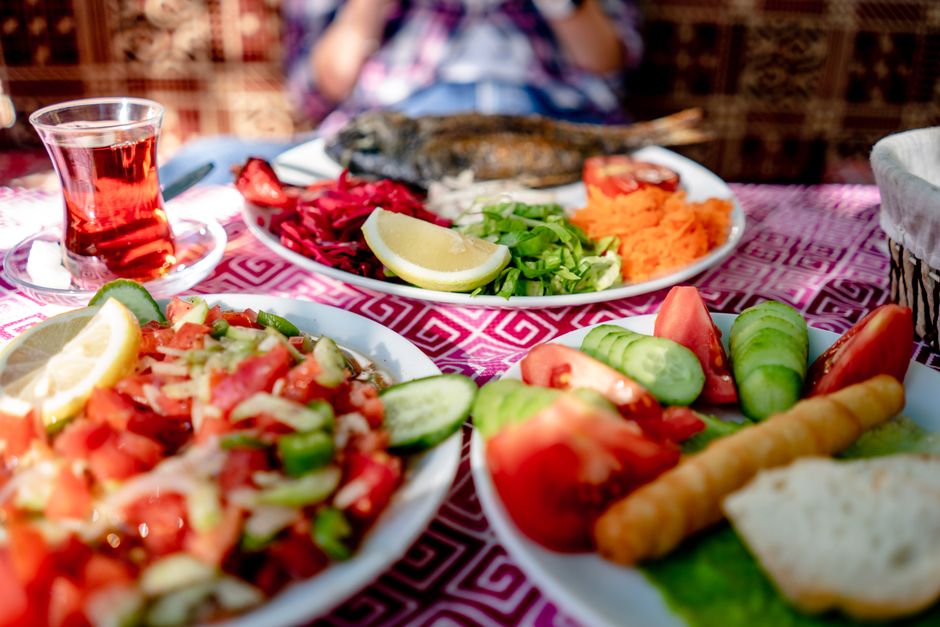
The Mediterranean diet is not a single recipe. It is a pattern of eating based on how people in countries like Greece, Italy, and Spain traditionally ate. The right way to make Mediterranean food starts with a simple shift: build meals around plants, use olive oil as your main fat, and treat meat as a side dish rather than the center of the plate. This approach is backed by decades of research linking it to lower rates of heart disease and better overall health.
What Does Eating Mediterranean Actually Mean?
The Mediterranean diet is less about specific dishes and more about proportions. Vegetables, fruits, whole grains, beans, lentils, nuts, and seeds make up the bulk of what you eat. Fish and seafood appear a few times per week. Poultry, eggs, and dairy show up in smaller amounts. Red meat and sweets are occasional, not daily.
Olive oil is the primary cooking fat. It replaces butter, margarine, and other oils. The diet also includes herbs and spices for flavor instead of relying on heavy sauces or salt.
Research consistently shows this eating pattern supports heart health. Studies have found lower rates of cardiovascular events among people who follow it closely. The evidence is strong enough that major health organizations recommend it as a heart-healthy way of eating.
How To Make Mediterranean Food The Right Way: Start With the Plate
A practical way to build a Mediterranean meal is to look at your plate before you cook. Aim for half of the plate to be vegetables. A quarter should be whole grains like farro, barley, brown rice, or whole wheat pasta. The remaining quarter holds your protein — most often beans, lentils, or fish.
This structure automatically limits portion sizes of animal products. It also ensures you get enough fiber, which most Americans fall short on. Fiber supports digestion and helps keep blood sugar steady.
Think of vegetables as the main event. Roast them, grill them, or eat them raw. Use olive oil and lemon as a simple dressing. Add fresh or dried herbs like oregano, thyme, and rosemary.
Choose the Right Olive Oil and Use It Properly
Extra virgin olive oil is the standard in Mediterranean cooking. It is made from the first cold pressing of olives and retains more of the beneficial plant compounds than more processed oils. Those compounds, called polyphenols, have anti-inflammatory properties.
Use extra virgin olive oil for most cooking. It has a lower smoke point than some other oils, but it is still fine for sautéing and roasting at normal home temperatures. For very high heat searing, you can use a neutral oil like avocado oil, but olive oil covers most needs.
Do not be afraid of the fat. Mediterranean eating includes a generous amount of olive oil. The fat helps your body absorb fat-soluble vitamins from vegetables, including vitamins A, D, E, and K.




Make Fish and Seafood a Weekly Habit
Fish appears regularly in the traditional Mediterranean diet. Fatty fish like salmon, sardines, and mackerel are especially valuable because they contain omega-3 fatty acids. These fats are linked to lower inflammation and better heart health.
Aim for fish a few times per week. Canned sardines and tuna are affordable and convenient options. If you do not eat fish, you can still follow a Mediterranean pattern by relying more on beans, lentils, and eggs for protein.
One note: pregnant women and children should follow current guidance about fish choices due to mercury concerns. Lower-mercury options like salmon, sardines, and trout are generally recommended.
Build Meals Around Beans and Legumes
Beans and lentils are central to Mediterranean cooking. They are cheap, shelf-stable, and packed with protein and fiber. Chickpeas, white beans, black beans, and lentils all fit the pattern.
Try swapping half the meat in a recipe for beans. This cuts saturated fat and adds fiber without sacrificing flavor. A lentil soup with olive oil and vegetables is a classic Mediterranean meal. Hummus made from chickpeas works as a snack or a sandwich spread.
If you use canned beans, rinse them well. This removes a significant amount of the added sodium.
Use Whole Grains Instead of Refined Ones
Whole grains are another cornerstone. Traditional Mediterranean diets included bread, pasta, and rice, but they were less processed than what many people eat today. Whole wheat bread, whole grain pasta, bulgur, farro, and barley are better choices than their refined counterparts.
Whole grains keep their fiber and nutrients because the bran and germ remain intact. Refined grains strip those parts away. The fiber in whole grains slows digestion and helps you feel full longer.
Start by replacing white rice with bulgur or farro. Use whole wheat pasta instead of regular. These small swaps change the nutrient profile of your meal significantly.
What About Dairy, Eggs, and Red Meat?
Dairy appears in the Mediterranean diet in modest amounts. Yogurt and cheese are common, but they are used as flavor accents, not main ingredients. Greek yogurt with breakfast or a sprinkle of feta on a salad fits the pattern. Heavy cream and butter are not staples.
Eggs are fine a few times per week. They are often eaten with vegetables, like in a Spanish tortilla or a simple vegetable frittata.
Red meat is the biggest change for many people. In the traditional Mediterranean pattern, red meat appears occasionally — maybe a few times per month, not per week. When it does appear, portions are small. Pork and poultry are more common than beef, but even those are not daily foods.
Flavor With Herbs and Spices, Not Salt
Mediterranean food is flavorful, but it does not rely on heavy sauces or excessive salt. The flavor comes from herbs, garlic, lemon, and good quality olive oil.
Keep dried oregano, thyme, rosemary, and basil on hand. Fresh garlic and onions are used generously. Lemon juice brightens dishes and reduces the need for salt.
This approach naturally lowers your sodium intake. Most Americans consume far more sodium than recommended, mostly from processed foods. Cooking this way gives you control over how much salt you actually use.
Common Mistakes When Switching to Mediterranean Eating
One mistake is treating the Mediterranean diet as a list of foods to add without changing what you already eat. Adding a salad to a meal that still centers on a large steak is not the Mediterranean pattern. The proportions matter.
Another mistake is relying on processed Mediterranean-style products. Store-bought hummus can be fine, but check the label. Some versions are high in added oils and preservatives. Pita chips and flavored olives often contain excess sodium. The whole-food version of the diet is what the research supports.
Some people also overdo the nuts and olive oil. These are healthy fats, but they are still calorie-dense. The Mediterranean diet is not a weight loss diet by default. It is a healthy eating pattern that may help with weight management because it emphasizes fiber-rich, filling foods.
How To Make Mediterranean Food The Right Way: A Simple Weekly Plan
You do not need to overhaul your kitchen overnight. Start with one Mediterranean-style meal per day. Here is what a day might look like:
- Breakfast: Greek yogurt with berries, walnuts, and a drizzle of honey
- Lunch: Lentil soup with a side of whole grain bread and a cucumber-tomato salad dressed with olive oil
- Dinner: Baked salmon with roasted vegetables and farro
- Snack: A handful of almonds or sliced vegetables with hummus
This pattern is flexible. You can adjust it based on what is in season or what is on sale. The goal is not perfection. It is a consistent shift toward more plants and fewer processed foods.
Does the Mediterranean Diet Work for Weight Loss?
The Mediterranean diet is not a rapid weight loss plan. It is a sustainable eating pattern. Some research suggests people who follow it tend to maintain healthier body weights over time, but the results vary. The diet is not inherently low calorie. You can gain weight eating olive oil and nuts if you eat too much.
What makes it effective for weight management is the emphasis on fiber and protein. These nutrients increase fullness. You naturally eat less without feeling deprived. That is a more sustainable approach than restrictive dieting.
If weight loss is your goal, focus on portion sizes and vegetable volume. Fill half your plate with vegetables, use olive oil in moderation, and watch portions of nuts and cheese.
Is the Mediterranean Diet a Good Option for Everyone?
For most healthy adults, yes. The pattern aligns with general dietary guidelines that emphasize vegetables, fruits, whole grains, and lean proteins. It is flexible enough to accommodate food allergies, preferences, and cultural variations.
People with certain medical conditions should talk to their doctor first. If you take blood thinners, for example, changes in vitamin K intake from leafy greens can affect your medication. If you have kidney disease, the high potassium in beans and vegetables may need adjustment. These are individual concerns that require professional guidance.
The evidence for the Mediterranean diet is strong, but it is not a cure-all. It is one of the best-supported eating patterns for long-term health, and it is also one of the easiest to maintain because the food is enjoyable.
Frequently Asked Questions
What is the main difference between the Mediterranean diet and a standard healthy diet?
The Mediterranean diet emphasizes olive oil as the primary fat, fish and beans as main proteins, and red meat only occasionally. It is more specific about proportions than general healthy eating advice.
Can I follow the Mediterranean diet if I do not eat fish?
Yes. Beans, lentils, eggs, and poultry can provide enough protein. You will miss the omega-3 fats from fish, but you can get those from walnuts and flaxseeds, though the type of omega-3 is different.
How much olive oil should I use per day?
There is no official daily recommendation. A reasonable range is 2 to 4 tablespoons per day for cooking and dressing, but this depends on your total calorie needs.
Is pasta allowed on the Mediterranean diet?
Yes, but choose whole grain pasta and keep portions moderate. Pasta is a side dish or a vehicle for vegetables, not the main event.
