
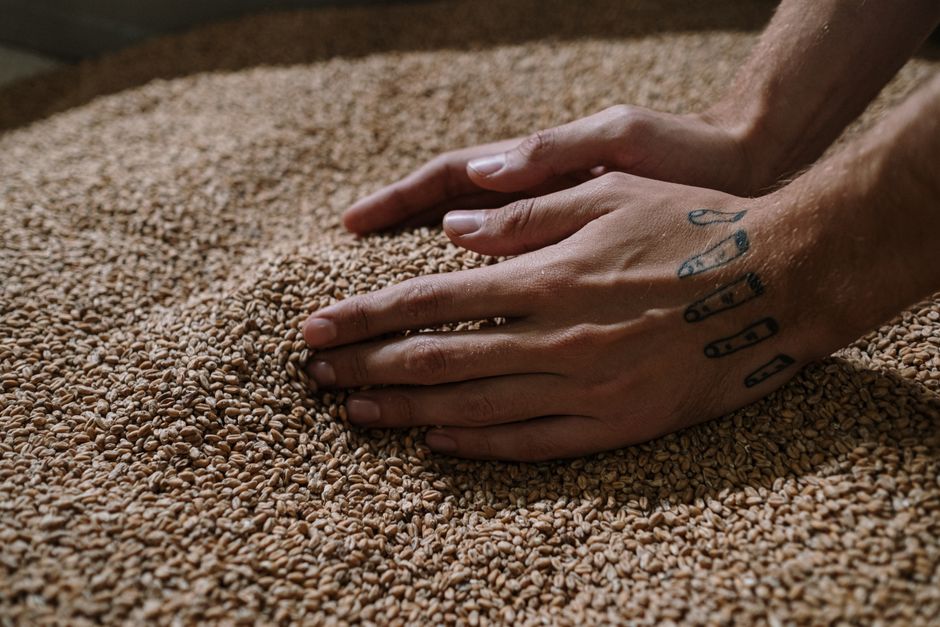
Malt alcohol starts with grain that has been tricked into sprouting, then dried to stop it. That process — called malting — creates the sugars and enzymes that yeast later turn into alcohol. The word “malt” gets used for three different things: the grain itself, the sugar extracted from it, and the finished drink made from it. This article covers all three, along with how brewing works and what the final products actually contain nutritionally.
What Is Malt Alcohol Brewing Types And Nutrition?
Malt alcohol is any alcoholic drink made from fermented malt sugars. Beer is the most common example worldwide. Whiskey, malt liquor, and certain traditional beverages also qualify. The grain base is usually barley, though wheat, rye, and other cereals can be malted too.
The brewing process follows a consistent path. Grain is soaked in water until it begins to germinate. At that point, enzymes inside the grain start breaking starch down into simpler sugars. The grain is then dried with hot air — a step called kilning — which halts germination and locks in those sugars. What remains is malt.
From there, brewers crush the malt and steep it in hot water. This extracts fermentable sugars in a step called mashing. The sugary liquid, now called wort, is boiled with hops or other flavorings, cooled, and pitched with yeast. Fermentation converts sugar to alcohol and carbon dioxide. The result is beer, or a base liquid that can be distilled into spirits.
Nutritionally, malt-based alcoholic drinks are mostly water, alcohol, and carbohydrates. They contain trace amounts of B vitamins, minerals like magnesium and potassium, and sometimes unfermented sugars. Those nutrients are present in small quantities. Alcohol itself provides about 7 calories per gram, which is more than carbohydrates or protein at roughly 4 calories per gram each.
How Is Malt Different From Other Brewing Grains?
Malt is grain that has been deliberately germinated and then dried. That makes it different from raw grain, which has starch but no active enzymes to break that starch down. The malting process creates the enzymatic toolkit that brewing depends on.
Barley is the preferred grain for malting because its husk protects the kernel during processing and its starch-to-enzyme ratio works well for brewing. Wheat malt adds body and protein. Rye malt contributes a spicy, earthy character. Oats are sometimes malted for smoothness in stouts and porters.
Not all malt is treated the same way after germination. The kilning temperature and moisture determine what kind of malt results:
- Base malt: Dried at lower temperatures. Retains the most enzyme activity. Forms the bulk of most beer recipes.
- Crystal or caramel malt: Stewed while still wet, which converts starch to sugar inside the kernel before drying. Adds sweetness, color, and body.
- Roasted malt: Kilned at high temperatures. Produces dark colors and flavors of coffee, chocolate, or toast. Has little to no enzyme activity left.
- Munich and Vienna malt: Kilned at moderate temperatures. Give beer a malty, slightly toasted backbone.
These categories matter because they change both the flavor and the fermentable sugar profile of the final drink. A beer made mostly from base malt ferments dry. One with a heavy dose of crystal malt finishes sweeter and fuller.
What Are the Main Types of Malt Alcohol?
Malt alcohol covers a wide range of drinks, from light lagers to distilled spirits. The type depends on the grain bill, the yeast, the fermentation conditions, and whether distillation happens afterward.
Beer is the largest category. Ales ferment with top-fermenting yeast at warmer temperatures, usually producing fruity or spicy notes. Lagers ferment with bottom-fermenting yeast at cooler temperatures, giving cleaner, crisper flavors. Within those two families sit dozens of styles — pilsners, stouts, porters, IPAs, wheat beers, and more.
Malt liquor in the US is legally a beer that exceeds a certain alcohol by volume threshold, typically above 5% ABV in most state definitions. It is brewed from malted barley, often with added sugars or corn, and tends to be higher in alcohol than standard beer. The name is a legal category, not a distinct brewing method.
Whiskey is made by distilling a fermented malt or grain mash. Single malt Scotch whisky comes from 100% malted barley at one distillery. Other whiskeys — bourbon, rye, Canadian — use different grain mixes, and malted barley may be only a small part of the mash.
Malt vinegar is not alcoholic in its final form, but it is made by fermenting malt into alcohol and then fermenting that alcohol into acetic acid. It contains essentially no residual alcohol.
Malt extract is a concentrated syrup or powder made from mashed malt. It is sold as a brewing ingredient and also as a food sweetener. It contains sugars and some nutrients but no alcohol unless fermented.


What Is the Nutrition Profile of Malt Alcohol?
Malt alcohol is not a significant source of nutrition. The calories come mostly from alcohol and residual carbohydrates, with very little protein, fat, or micronutrients. Any vitamins or minerals present are in small amounts.
Here is a general comparison of common malt alcohol types. Values are approximate and vary by brand and recipe:
| Drink (12 oz / 355 mL) | Calories | Carbs | Alcohol |
|---|---|---|---|
| Regular lager or ale | ~150 | ~13 g | ~5% ABV |
| Light beer | ~100 | ~5 g | ~4% ABV |
| Malt liquor | ~200-250 | ~15-20 g | ~6-9% ABV |
| Stout or porter | ~180-220 | ~15-20 g | ~5-7% ABV |
| Whiskey (1.5 oz / 44 mL) | ~100 | 0 g | ~40% ABV |
Distilled spirits like whiskey contain no carbohydrates because distillation removes them. The calories come almost entirely from alcohol. Beer and malt liquor retain unfermented sugars and dextrins, which is why they carry more carbs.
Beer does contain small amounts of B vitamins, particularly niacin and riboflavin, along with minerals like magnesium, potassium, and silicon. Some research suggests beer may contribute to dietary silicon intake, though whether that has any meaningful health effect is not established. The amounts are modest and vary widely.
Hops contribute trace polyphenols. These are plant compounds with antioxidant activity in laboratory studies. Whether they produce measurable health effects in humans at the doses found in beer is not confirmed by clinical evidence.
Does Malt Alcohol Have Any Health Effects?
Alcohol is classified as a Group 1 carcinogen by the International Agency for Research on Cancer. That classification applies to all alcoholic beverages, including beer, wine, and spirits. The evidence linking alcohol consumption to cancers of the mouth, throat, esophagus, liver, and breast is well established.
Some observational studies have suggested a J-shaped relationship between moderate drinking and cardiovascular outcomes, where light drinkers appear to have lower risk than both abstainers and heavy drinkers. That finding has been questioned in recent years. Many researchers now argue that confounding factors — such as former drinkers quitting due to illness, or light drinkers having generally healthier lifestyles — explain much of the apparent benefit. The evidence is mixed, and no major health organization currently recommends that non-drinkers start drinking for health reasons.
Heavy or binge drinking carries clear risks. These include liver disease, pancreatitis, high blood pressure, weakened immune function, and increased risk of several cancers. Alcohol also disrupts sleep quality, even when it feels like it helps with falling asleep.
If you choose to drink, the US Dietary Guidelines for Americans advise that adults of legal drinking age who drink should do so in moderation. For men, that means up to two drinks per day. For women, up to one. These are upper limits, not targets. Some people should not drink at all — those who are pregnant, taking certain medications, recovering from alcohol use disorder, or managing conditions that alcohol worsens.
No clinical guidelines currently recommend malt alcohol for any therapeutic purpose.
What About Malt Extract and Non-Alcoholic Malt Products?
Malt extract is a sweetener and brewing ingredient, not an alcoholic drink. It is made by mashing malt and concentrating the resulting liquid into syrup or powder. It retains sugars, some B vitamins, and minerals from the grain.
Malt extract is used in baking, breakfast cereals, and as a nutritional supplement in some settings. It is also a common ingredient in home brewing. Its nutritional value is mostly carbohydrate calories, and it is not a meaningful source of protein or fat.
Non-alcoholic malt beverages exist in many cultures. These include malted milk drinks, certain soft drinks popular in the Caribbean and Middle East, and non-alcoholic beers. Non-alcoholic beer is typically made by removing alcohol from regular beer or by brewing with limited fermentation. Most products labeled non-alcoholic contain less than 0.5% alcohol by volume, which is not zero.
For people who must avoid all alcohol for medical or religious reasons, that trace amount matters to some and not to others. It is worth checking specific product labels if complete abstinence is required.
Frequently Asked Questions
Is malt alcohol the same as beer?
Beer is the most common type of malt alcohol, but the term also covers whiskey, malt liquor, and other drinks made from fermented malt sugars. Not all beer is made entirely from malt, and not all malt alcohol is beer.
How many calories are in a malt beverage?
A standard 12-ounce beer has roughly 150 calories, while malt liquor can range from about 200 to 250 calories. Distilled spirits like whiskey contain around 100 calories per 1.5-ounce shot with no carbohydrates.
Does malt alcohol contain gluten?
Beer and most malt beverages made from barley do contain gluten, since barley is a gluten-containing grain. Some products are brewed with gluten-free grains like sorghum or rice and are labeled as such.
Is malt alcohol healthier than other types of alcohol?
No. All alcoholic beverages carry the same fundamental risks, and alcohol itself is classified as a Group 1 carcinogen regardless of the type consumed. Beer contains trace nutrients, but not in amounts that offset alcohol’s risks.
