
Leukocytes, commonly called white blood cells, are the infection-fighting cells of your immune system. They travel through your bloodstream and tissues, searching for and destroying bacteria, viruses, fungi, and other foreign invaders. Unlike red blood cells that carry oxygen, leukocytes act as your body’s primary defense force against illness and infection.
What Is Leukocytes In Blood?
Leukocytes are the colorless cells in your blood that protect your body against infection and disease. They are produced primarily in your bone marrow and are a vital part of your immune system. When an infection or injury occurs, your body produces more leukocytes to fight off the threat, which is why a high white blood cell count often signals an active infection.
These cells make up only about 1 percent of your total blood volume. But their impact is enormous. They are divided into five main types, each with a specific job in defending your body.
The Five Main Types of Leukocytes
Each type of white blood cell has a distinct role. Knowing the differences helps explain what a high or low count means for your health.
- Neutrophils — The most abundant type. They respond first to bacterial infections and are the main cells in pus.
- Lymphocytes — These include T cells, B cells, and natural killer cells. They target viruses and produce antibodies. They also remember past infections so your body can respond faster next time.
- Monocytes — The largest leukocytes. They leave the bloodstream and become macrophages, which engulf and digest dead cells and pathogens.
- Eosinophils — They fight parasites and play a role in allergic reactions.
- Basophils — The rarest type. They release histamine during allergic responses and help regulate inflammation.
All five types work together. Some attack directly. Others signal for reinforcements. Others remember the invader for future protection.
Normal Leukocyte Ranges and What They Mean
A normal white blood cell count for most adults ranges from 4,000 to 11,000 cells per microliter of blood. This is a well-established reference range used in standard complete blood count tests. Your doctor will look at both the total count and the breakdown of each type.
The normal range can vary slightly between laboratories. It also shifts with age, pregnancy, and even time of day. Counts tend to be slightly higher in the afternoon than in the morning.





What Causes a High White Blood Cell Count
A high leukocyte count is called leukocytosis. It is not a disease itself but a sign that something is happening in your body. The most common causes include:
- Infection — Bacterial infections typically raise neutrophil counts. Viral infections may raise lymphocyte counts.
- Inflammation — Conditions like rheumatoid arthritis or inflammatory bowel disease can raise counts.
- Stress — Physical or emotional stress triggers the release of stress hormones, which can temporarily increase leukocytes.
- Medications — Some drugs, including corticosteroids and lithium, can elevate counts.
- Allergic reactions — These often raise eosinophil levels specifically.
- Smoking — Smokers tend to have higher baseline white blood cell counts than nonsmokers.
More serious causes include blood cancers such as leukemia. But an elevated count alone does not mean cancer. Most of the time, it points to a temporary condition like an infection.
What Causes a Low White Blood Cell Count
A low leukocyte count is called leukopenia. This means your body has fewer infection-fighting cells than normal. A count below 4,000 cells per microliter generally qualifies as low.
Common causes include:
- Viral infections — Some viruses temporarily suppress bone marrow production of white blood cells.
- Autoimmune disorders — Conditions like lupus can destroy white blood cells.
- Bone marrow problems — Damage from chemotherapy, radiation, or diseases like aplastic anemia reduces production.
- Severe infections — A massive infection can deplete white blood cells faster than the bone marrow can replace them.
- Nutritional deficiencies — Low levels of vitamin B12 or folate can impair white blood cell production.
A low count matters because it raises your risk of infection. If your count drops significantly, your doctor may recommend avoiding crowds or people who are sick until it recovers.
How a Leukocyte Test Is Performed
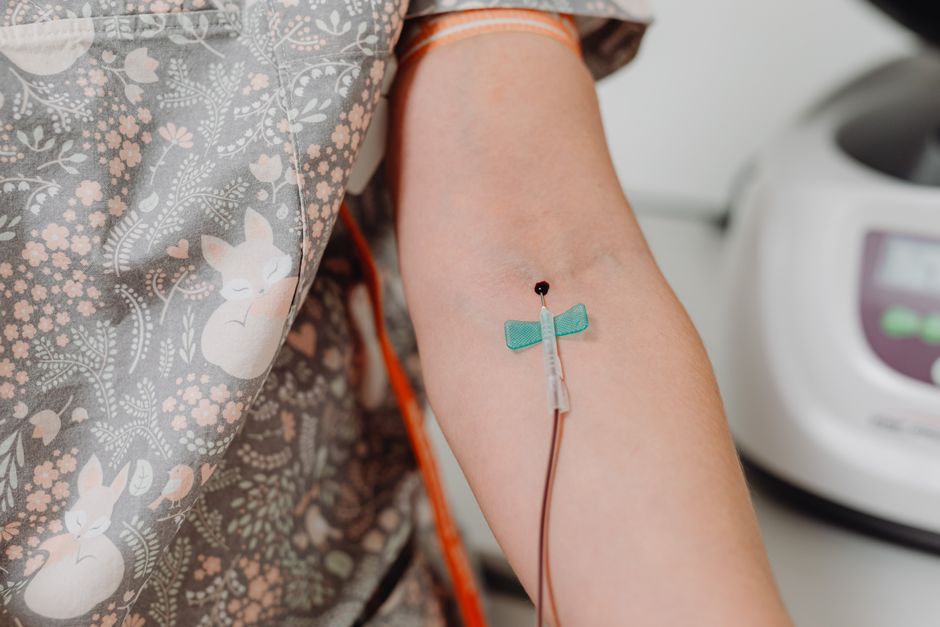
Leukocytes are measured as part of a complete blood count, or CBC. A small blood sample is drawn from a vein in your arm. The sample is sent to a laboratory where a machine counts the cells.
The test results include the total white blood cell count and a differential count showing the percentage of each type. The differential helps your doctor narrow down the cause. For example, high neutrophils point toward bacterial infection while high lymphocytes point toward viral infection.
The test is simple and low-risk. You do not need to fast beforehand. Results typically come back within a day or two.
When a High or Low Count Requires Medical Attention
A single abnormal result does not always mean something is wrong. Many factors influence white blood cell counts, including recent exercise, pregnancy, and even stress levels. Doctors often repeat the test to confirm a persistent abnormality.
Seek medical attention if you have an abnormal count along with symptoms like persistent fever, unexplained weight loss, night sweats, frequent infections, or unusual bruising or bleeding. These symptoms combined with an abnormal leukocyte count warrant further investigation.
Your doctor may order additional tests depending on your results. These can include a blood smear to examine cells under a microscope, bone marrow biopsy, or specific tests for autoimmune conditions. The next step always depends on your full clinical picture.
How to Support Healthy Leukocyte Levels
No food or supplement has been proven to directly raise or lower your white blood cell count. The evidence for immune-boosting supplements is limited. What the research does support is maintaining overall health, which helps your immune system function properly.
Established lifestyle factors that support immune health include getting adequate sleep, eating a balanced diet with sufficient protein, managing stress, and avoiding smoking. Regular moderate exercise supports immune function. Extreme exercise, like marathon training without adequate recovery, can temporarily suppress immune function.
If you have a diagnosed deficiency in vitamin B12, folate, or another nutrient, correcting that deficiency can help restore normal white blood cell production. But taking high-dose supplements without a known deficiency has not been shown to improve leukocyte counts in healthy people.
Frequently Asked Questions
What is a normal leukocyte count?
A normal white blood cell count for most adults is 4,000 to 11,000 cells per microliter of blood. Ranges can vary slightly between laboratories.
Can stress cause high leukocytes?
Yes, physical and emotional stress can temporarily raise your white blood cell count. Stress hormones trigger the release of leukocytes from your bone marrow and spleen.
What does it mean when leukocytes are high?
A high leukocyte count usually signals infection or inflammation in the body. It can also result from stress, certain medications, smoking, or more serious conditions like blood cancers.
How can I lower my white blood cell count?
You do not lower a high count directly. Treatment focuses on the underlying cause, whether that is an infection, inflammation, or medication side effect. Always follow your doctor’s guidance.
