
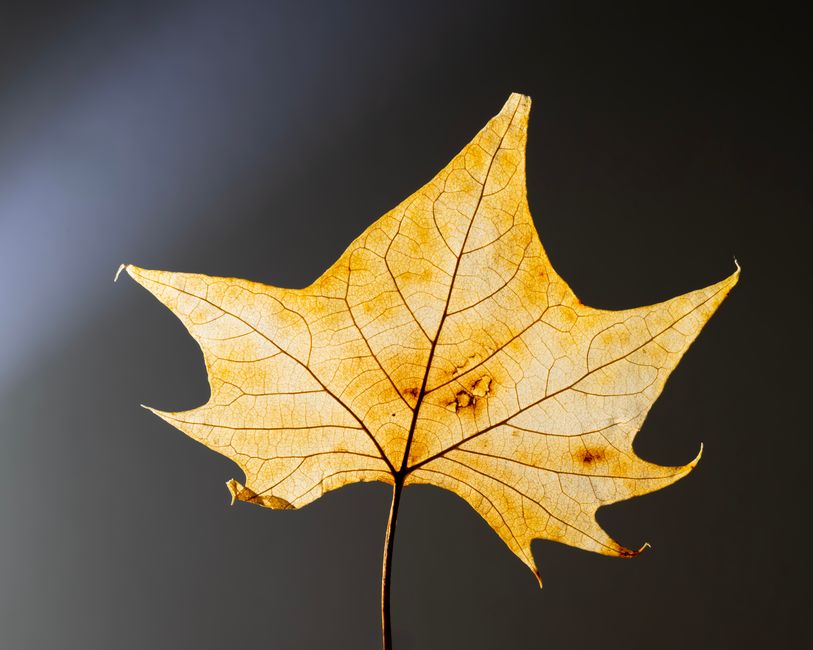
Leaf bleaching is the loss of green color from plant leaves, often turning them pale yellow, white, or brown. It happens when chlorophyll — the pigment that makes plants green and drives photosynthesis — breaks down or stops being produced. The fix depends entirely on the cause, which is usually too much direct sunlight, a nutrient deficiency, or a fungal disease. You cannot reverse dead tissue, but you can correct the underlying problem to protect new growth.
What Does Leaf Bleaching Look Like?
Bleached leaves lose their normal green tone. The color change can be uniform across the whole leaf or appear in patches, streaks, or along the edges. In severe cases, the leaf may turn completely white or papery and brittle.
The pattern of bleaching often gives away the cause. A leaf that fades evenly from the top down may have a different problem than one with white spots or yellow stripes. Look closely at which leaves are affected — older leaves at the bottom or new growth at the top — because that distinction matters for diagnosis.
What Causes Leaf Bleaching?
There are several distinct causes, and they require different fixes. Getting the cause right is more important than any treatment.
Sun Scorch and Light Stress
Too much intense light can overwhelm a plant’s ability to use it. Chlorophyll absorbs light energy, and when that energy exceeds what the plant can process, it damages the leaf tissue. This is called photobleaching or sunscald.
Plants that evolved in shade are especially vulnerable. Moving a houseplant from a dim corner to a bright windowsill can cause bleaching within days. Outdoor plants can also suffer during heat waves, especially when intense sun combines with dry soil.
Nutrient Deficiencies
Chlorophyll production requires several nutrients, most importantly nitrogen and magnesium. Both sit at the center of the chlorophyll molecule. Without enough of either, new chlorophyll cannot form and leaves fade.
Nitrogen deficiency typically starts in older leaves at the bottom of the plant because the plant moves available nitrogen to new growth. Magnesium deficiency often shows as yellowing between the leaf veins while the veins stay green — a pattern called interveinal chlorosis.
Iron deficiency produces a different pattern. New leaves at the top turn pale or yellow while the veins remain dark green. This is common in plants grown in alkaline soil or pots with poor drainage.
Fungal and Viral Diseases
Several plant diseases cause bleaching-like symptoms. Powdery mildew appears as a white, powdery coating on leaf surfaces. Some viruses cause mosaic patterns of light and dark green or yellow streaking.
Disease-related bleaching often looks different from environmental bleaching. It may spread gradually from leaf to leaf, or appear as irregular patches rather than a uniform fade. Check the undersides of leaves for fungal growth or tiny insects, which can also cause pale speckling.
Root Damage and Water Stress
Damaged roots cannot deliver water and nutrients to the leaves. Overwatering causes root rot, which prevents nutrient uptake even when the soil contains plenty of fertilizer. Underwatering causes similar symptoms through a different mechanism — the plant cannot transport nutrients without water flow.
Both conditions produce leaf yellowing and bleaching that often starts at the leaf edges or tips before spreading inward.
How Do You Diagnose the Cause?
Diagnosis starts with observation. Check which leaves are affected. Older leaves suggest a nutrient problem. New growth suggests iron deficiency or a virus. Leaves only on the sun-facing side suggest light stress.
Look at the pattern. Uniform yellowing across the whole plant often points to nitrogen or water issues. White patches or streaks suggest sun damage or disease. Yellow between green veins points to magnesium or iron deficiency.
Check the soil. Is it soggy, bone dry, or normal? Soggy soil with a sour smell suggests root rot. Dry soil with wilted leaves suggests underwatering. Test the soil pH if you suspect nutrient problems — most plants absorb nutrients best in slightly acidic soil between 6.0 and 7.0.
If you cannot identify the cause, remove one affected leaf and examine it with a magnifying glass. Look for tiny insects, fungal spores, or unusual patterns you might have missed.




How Do You Fix Leaf Bleaching?
The treatment matches the cause. Here is what works for each situation.
Adjust Light Exposure
If sun scorch is the cause, move the plant to a location with indirect or filtered light. Indoor plants should be gradually acclimated to brighter conditions over one to two weeks, not moved all at once. Outdoor plants may need temporary shade cloth during the hottest part of the day.
Once the plant adjusts, new leaves should grow with normal green color. The bleached leaves will not recover, but the plant itself can fully recover if the stress stops.
Correct Nutrient Deficiencies
Use a balanced fertilizer that contains both nitrogen and magnesium. A standard complete fertilizer with a formulation like 10-10-10 provides all the major nutrients. For iron deficiency specifically, look for a fertilizer that lists chelated iron on the label — this form stays available to plants in alkaline soil.
Follow the dosage instructions on the fertilizer package exactly. More fertilizer does not help faster and can burn roots. Most houseplants need fertilizer only during the growing season, roughly spring through early fall.
For magnesium deficiency, some gardeners use Epsom salts dissolved in water. Dissolve one tablespoon in one gallon of water and apply to the soil. This is a common home remedy, but it is not a substitute for a complete fertilizer if multiple nutrients are lacking.
Treat Disease and Pests
Fungal diseases require different treatments depending on the specific fungus. Powdery mildew can sometimes be managed by improving air circulation and keeping leaves dry when watering. Remove heavily infected leaves and dispose of them in the trash, not the compost pile.
For viral diseases, there is no cure. Remove and discard infected plants to prevent spread to healthy neighbors. Do not compost virally infected plant material.
If you see insects, identify them before treating. Many common plant pests — spider mites, aphids, thrips — can be controlled with insecticidal soap or neem oil applied according to the label instructions.
Fix Watering and Drainage
Check the drainage holes in pots. If they are blocked or absent, repot the plant into a container with proper drainage. Water only when the top inch of soil feels dry to the touch for most houseplants. Outdoor plants need more water during hot, dry periods but should never sit in standing water.
If root rot is severe, you may need to repot the plant in fresh soil and trim away dark, mushy roots. Healthy roots are firm and white or light tan.
Can Bleached Leaves Turn Green Again?
No. Once leaf tissue has bleached, the chlorophyll is destroyed and the leaf cannot regenerate it. The pale or white areas remain that way for the life of the leaf.
This is not a reason to give up on the plant. As long as the growing tip is alive, the plant will produce new leaves. Focus your attention on the new growth — it should emerge with normal color if the underlying problem is fixed.
You can remove severely bleached leaves if they are unsightly or if more than half the leaf is damaged. The plant will redirect energy to healthier leaves. Leave partially damaged leaves in place, since they still contribute some photosynthesis.
How Do You Prevent Leaf Bleaching?
Prevention is simpler than treatment. Match the plant to its environment from the start.
- Know your plant’s light requirements before choosing a location. Shade-loving plants should never sit in direct afternoon sun.
- Acclimate plants gradually when moving them to brighter locations. Start with one hour of morning sun and increase over two weeks.
- Fertilize on a regular schedule during the growing season. Most plants benefit from feeding every four to six weeks.
- Water consistently. Both overwatering and underwatering stress roots and interfere with nutrient uptake.
- Inspect plants regularly for early signs of pests or disease. Catching problems early makes treatment far more effective.
Some research suggests that plants with adequate potassium are more resistant to environmental stress, including excess light. A balanced fertilizer that includes potassium supports overall plant health, though it will not prevent bleaching entirely on its own.
When Should You Give Up on a Plant?
Most bleached plants recover once the cause is corrected. But some situations are not worth saving.
If more than half the leaves are severely damaged and the stem shows signs of rot or mushiness, the plant may not have enough energy to regrow. If a viral disease is confirmed, the plant should be discarded to protect other plants. If the roots are completely rotten and mushy, the plant cannot absorb water or nutrients and will not recover.
In these cases, the most practical choice is to start fresh. Take a healthy cutting if the plant can be propagated, or replace it entirely. This is not failure — it is the natural outcome of a problem that went too far.
Frequently Asked Questions
Can leaf bleaching be reversed?
No, the bleached tissue itself cannot recover. The plant can produce new healthy leaves once the underlying cause is corrected.
What nutrient deficiency causes leaf bleaching?
Nitrogen and magnesium deficiencies are the most common causes, since both are required to make chlorophyll. Iron deficiency causes a similar fading in new leaves.
Is leaf bleaching caused by too much sun?
Yes, intense direct sunlight can damage chlorophyll and cause leaves to turn pale or white. This is most common in shade-loving plants moved to bright locations.
Should I remove bleached leaves from my plant?
Remove leaves that are more than half damaged or completely dead. Leave partially damaged leaves in place because they still contribute some energy to the plant.
