
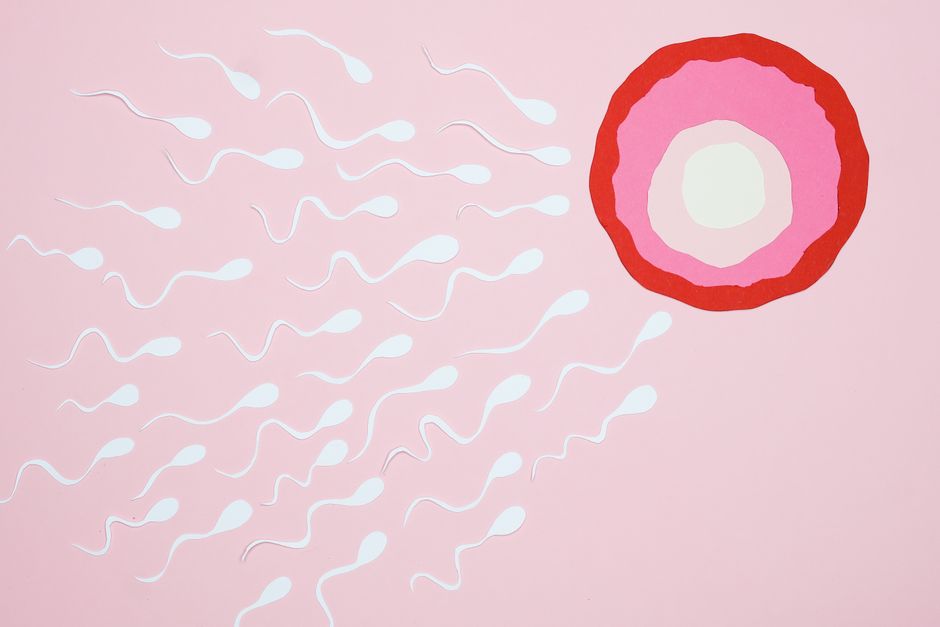
A single ejaculation typically releases between 1.5 and 5 milliliters of semen. That volume contains roughly 15 million to 200 million sperm per milliliter. In practical terms, a man releases anywhere from 40 million to over 500 million sperm in one ejaculation. The exact number varies widely from man to man and even from day to day for the same man. These ranges come from standard World Health Organization reference values used in fertility testing.
What Is a Normal Sperm Count Per Ejaculation?
The World Health Organization sets the reference range for normal semen analysis. A normal sperm concentration is 15 million sperm per milliliter or higher. The total sperm count per ejaculation should be 39 million or more.
Most men produce far more than the minimum. A typical ejaculation contains between 40 million and 300 million sperm. Some men release over 500 million. These higher numbers are normal and not a cause for concern.
The minimum thresholds matter for fertility testing. A count below 15 million per milliliter is considered low. This condition is called oligospermia. It does not mean infertility, but it does reduce the chances of conception without medical assistance.
How Sperm Production Works
Sperm are produced in the testicles inside tiny coiled tubes called seminiferous tubules. The process is called spermatogenesis. It takes about 64 to 72 days to produce a single sperm cell from start to finish.
The testicles produce sperm continuously. A healthy adult male produces roughly 1,500 sperm per second. That adds up to about 100 million sperm per day. The body does not store all of these sperm in the ejaculate. Excess sperm are reabsorbed by the body.
After production, sperm travel to the epididymis. This is a coiled tube behind each testicle where sperm mature and gain the ability to swim. Sperm can be stored there for several weeks. The longer sperm remain stored, the older they become, but they remain viable for fertilization for a significant period.
During ejaculation, sperm mix with fluid from the seminal vesicles and prostate gland. This fluid provides energy and protection for the sperm. Semen is about 1 to 5 percent sperm. The rest is fluid from these accessory glands.
What Affects Sperm Count Per Ejaculation
Several factors influence how many sperm a man releases. Some are temporary. Others reflect longer-term health patterns.
Abstinence time is one of the biggest short-term factors. A man who ejaculates daily will have a lower sperm count per ejaculation than a man who waits several days. Studies show that sperm concentration peaks after 2 to 3 days of abstinence. Waiting longer than 7 days does not continue to improve count and may actually reduce sperm quality.
Age matters. Sperm count and quality peak in the late 20s and early 30s. After age 40, sperm count gradually declines. The decline is slow but measurable. Sperm DNA quality also decreases with age, which can affect fertility outcomes.
Body temperature affects production. The testicles sit outside the body because sperm production requires a temperature about 3 to 4 degrees Fahrenheit cooler than core body temperature. Tight underwear, frequent hot baths, saunas, and laptop use on the lap can temporarily raise scrotal temperature and lower sperm production.
Health conditions play a major role. Diabetes, obesity, thyroid disorders, and infections can all reduce sperm count. Varicocele, a condition where veins in the scrotum enlarge, is a common cause of low sperm count. It affects about 15 percent of all men and up to 40 percent of men with infertility.
Medications and substances can suppress production. Testosterone therapy, anabolic steroids, certain antibiotics, blood pressure medications, and antidepressants can lower sperm count. Heavy alcohol use, smoking, and marijuana use also reduce sperm production. These effects are often reversible when the substance is stopped.





How Much Sperm Does a Man Produce in a Lifetime?
Men produce sperm continuously from puberty through old age. There is no biological clock that stops production entirely, though quality declines with age.
The testicles produce roughly 100 million sperm per day. Over a year, that adds up to about 36 billion sperm. Over a 50-year reproductive lifespan, the total reaches approximately 1.8 trillion sperm.
Most of these sperm never leave the body. The body reabsorbs unused sperm through a process called phagocytosis. Only a tiny fraction of produced sperm are actually ejaculated. This is normal and does not indicate a problem.
What Happens When Sperm Count Is Low
Low sperm count does not necessarily mean infertility. Many men with counts below the WHO reference range father children without medical help. It takes only one sperm to fertilize an egg, and even low counts can include healthy, motile sperm.
However, lower counts reduce the statistical chance of conception each cycle. When a couple is trying to conceive, a semen analysis is one of the first tests performed. The test measures sperm count, motility, and morphology. All three factors matter for fertility, not just count alone.
If a semen analysis shows low count, doctors typically repeat the test after a few weeks. Sperm counts fluctuate naturally. A single low reading does not establish a diagnosis. Two or more low readings are needed to confirm a persistent problem.
Lifestyle changes can improve count in some cases. Losing weight, quitting smoking, reducing alcohol, and treating underlying infections can help. Supplements like zinc, selenium, and coenzyme Q10 have shown some benefit in studies, but the evidence is not strong enough to guarantee results. No supplement has been proven to cure low sperm count.
How Semen Volume Differs From Sperm Count
Semen volume and sperm count are different measurements. Semen volume is the total amount of fluid ejaculated. Sperm count is the number of sperm in that fluid.
Normal semen volume ranges from 1.5 to 5 milliliters, about one-third to one teaspoon. A low volume, called hypospermia, is less than 1.5 milliliters. A high volume, called hyperspermia, is more than 5.5 milliliters. Both can affect fertility, though high volume is less commonly a problem.
It is possible to have normal semen volume with zero sperm. This condition is called azoospermia. It affects about 1 percent of men and about 10 to 15 percent of infertile men. It requires specialized evaluation by a urologist.
Can a Man Run Out of Sperm?
No. The testicles produce sperm continuously. A man cannot permanently run out of sperm through frequent ejaculation.
Frequent ejaculation does temporarily lower the number of sperm in each subsequent ejaculation. A man who ejaculates multiple times in one day will see progressively lower counts. The first ejaculation of the day contains the most sperm. Later ones contain fewer.
This effect is temporary. Sperm counts return to baseline within 24 to 48 hours of abstinence. The body replenishes sperm stores continuously, so there is no risk of depletion.
How to Know Your Own Sperm Count
You cannot tell your sperm count by looking at semen. Semen appearance and volume do not reliably indicate sperm count. Men with no sperm at all can have completely normal-looking ejaculate.
The only way to know your sperm count is through a laboratory semen analysis. This test requires abstaining from ejaculation for 2 to 5 days beforehand. The sample is collected by masturbation into a sterile cup and analyzed within an hour.
At-home sperm test kits are available. These kits measure sperm concentration and some measure motility. They are useful for screening but are not as comprehensive as a full laboratory analysis. A lab test also evaluates sperm shape and other factors that home kits cannot measure. If you have concerns about fertility, a lab test through a healthcare provider is the more complete option.
Frequently Asked Questions
How many sperm are in one drop of semen?
One drop of semen, about 0.05 milliliters, contains roughly 1 to 10 million sperm depending on concentration. The exact number varies based on the man’s overall sperm count.
Does ejaculating every day lower sperm count permanently?
No, the effect is temporary. Daily ejaculation lowers the count in each individual ejaculation, but sperm production continues and counts return to baseline within a day or two of abstinence.
What is a good sperm count for pregnancy?
Pregnancy is possible with any sperm count above zero, but the WHO considers 15 million sperm per milliliter or higher as normal. Counts above 40 million total per ejaculation give the best statistical chance of conception.
Can diet improve sperm count?
Some evidence suggests that a diet rich in antioxidants, zinc, and omega-3 fatty acids supports sperm health, but dietary changes alone rarely fix a diagnosed low count. The strongest evidence supports weight loss, quitting smoking, and reducing alcohol intake.
