
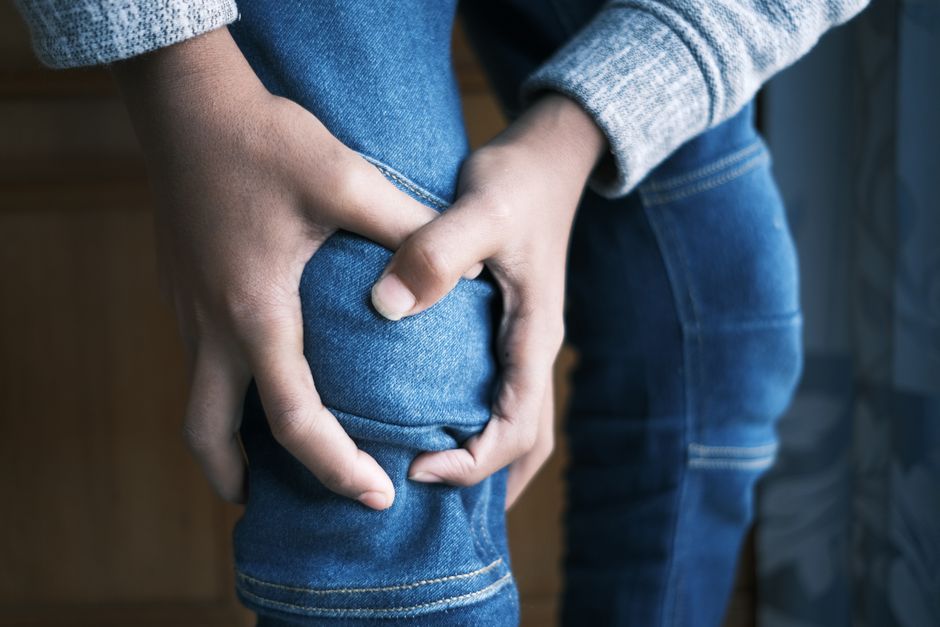
Knee joint effusion is the medical term for excess fluid building up inside or around the knee joint. Most people know it as “water on the knee.” This is not a disease itself but a sign that something else is wrong with the joint. The swelling can range from barely noticeable to severe enough that you cannot bend your leg. Understanding what causes this fluid buildup and what it means for your knee is the first step toward proper care.
What Is Knee Joint Effusion and How Does It Happen?
The knee joint is wrapped in a capsule lined with a membrane called the synovium. This membrane produces synovial fluid, which lubricates the joint and helps it move smoothly. Normally, the amount of fluid stays balanced. The body produces just enough to keep the joint working well.
When the knee gets injured or inflamed, the synovium produces extra fluid. This is the joint’s protective response. The extra fluid cushions the joint and carries away waste products from damaged tissue. The problem is that the joint capsule has a limited capacity. When too much fluid accumulates, pressure builds up inside the joint, causing pain, stiffness, and visible swelling.
The fluid itself can be thin and clear, or it can contain blood. Traumatic injuries often produce bloody fluid. Inflammatory conditions typically produce clear or yellowish fluid. The type of fluid matters for diagnosis, but you cannot tell the difference just by looking at the swelling.
What Causes Fluid to Build Up in the Knee?
There are two main categories of causes: acute injuries and chronic medical conditions. Knowing which category your swelling falls into helps guide treatment.
Acute injuries are sudden events that damage the knee structures. A direct blow to the knee, a sudden twist, or a fall can all trigger effusion. Common injury-related causes include:
- Ligament tears, especially the anterior cruciate ligament (ACL)
- Meniscus tears
- Fractures of the bones around the knee
- Dislocation of the kneecap
Swelling from an acute injury usually appears within a few hours. Rapid swelling within 2 to 4 hours often suggests significant internal damage, such as a ligament tear or fracture. Slower swelling over 24 hours is more typical of a meniscus tear or minor sprain.
Chronic conditions develop gradually. The most common is osteoarthritis, where cartilage wears down over time and the joint responds with excess fluid. Other chronic causes include rheumatoid arthritis, gout, and bursitis. In gout, uric acid crystals deposit in the joint, triggering intense inflammation and swelling. Bursitis involves inflammation of the small fluid-filled sacs that cushion the outside of the knee joint.
Infections can also cause effusion. This is called septic arthritis. It is a medical emergency because the infection can destroy cartilage quickly. Septic arthritis usually causes severe pain, significant swelling, fever, and difficulty moving the knee. If you have these symptoms, seek medical care immediately.
How Can You Tell if the Swelling Is Serious?
Not all knee swelling requires an emergency room visit, but some signs should never be ignored. The key is to look at how the swelling developed and what other symptoms accompany it.
Seek urgent medical attention if the swelling follows a significant injury and you cannot bear weight on the leg. The same applies if the knee looks deformed or you felt or heard a “pop” at the time of injury. These signs suggest structural damage that needs evaluation.
Fever combined with a hot, red, swollen knee is a red flag for infection. This combination requires immediate medical assessment. Even without a fever, a knee that is significantly swollen, warm to the touch, and painful to move should be evaluated promptly.
Swelling that comes on gradually without any injury is less urgent, but it still deserves medical attention. Chronic effusion often indicates an underlying condition like osteoarthritis or gout that benefits from treatment. Ignoring persistent swelling can lead to muscle weakness around the knee, which makes the joint less stable over time.




How Is Knee Joint Effusion Diagnosed?
A doctor starts with a physical examination. They will compare the swollen knee to the other one, check your range of motion, and feel for warmth or tenderness. The physical exam often provides strong clues about the cause, but imaging and lab tests confirm the diagnosis.
X-rays show bone alignment and joint space narrowing. They do not show fluid directly, but a widened joint space can indicate effusion. X-rays also reveal fractures and advanced osteoarthritis.
Magnetic resonance imaging (MRI) gives a detailed view of soft tissues. It shows ligament tears, meniscus injuries, and cartilage damage. An MRI is useful when the physical exam suggests internal damage that does not show on X-ray.
Sometimes the doctor will perform arthrocentesis, which means drawing fluid out with a needle. This procedure serves two purposes. It relieves pressure and pain, and the fluid can be sent to a lab for analysis. Lab tests can detect infection, crystals from gout, or blood from trauma. If the fluid appears cloudy, infection is more likely. If it contains fat droplets, that suggests a bone fracture.
Arthrocentesis is also therapeutic. Removing a large volume of fluid can provide significant pain relief, though the fluid often reaccumulates if the underlying cause is not addressed.
What Are the Treatment Options?
Treatment depends entirely on the underlying cause. There is no single treatment for knee effusion because the effusion is a symptom, not the disease itself.
For mild swelling from overuse or minor injury, the RICE protocol is the standard first step. RICE stands for rest, ice, compression, and elevation. Rest the knee by avoiding activities that cause pain. Apply ice for 15 to 20 minutes several times a day to reduce inflammation. Use an elastic bandage for compression, but not so tight that it cuts off circulation. Elevate the leg above heart level when resting to help fluid drain away from the joint.
Nonsteroidal anti-inflammatory drugs (NSAIDs) like ibuprofen or naproxen can reduce pain and inflammation. These are available over the counter, but you should follow the dosing instructions on the label and talk to your doctor if you take them regularly, especially if you have kidney problems, stomach issues, or take blood thinners.
If the effusion comes from a specific injury, treating that injury resolves the swelling. A meniscus tear might require arthroscopic surgery. An ACL tear might need reconstruction, especially in younger or active patients. Physical therapy strengthens the muscles around the knee, which helps stabilize the joint and prevent future effusions.
For osteoarthritis-related effusion, treatment focuses on managing the underlying arthritis. Weight loss reduces stress on the knee joint. Physical therapy improves strength and flexibility. Corticosteroid injections can reduce inflammation in the joint for weeks or months. These injections do not cure arthritis, but they can provide significant relief when swelling is severe.
Gout-related effusion responds to medications that lower uric acid levels and reduce inflammation. Septic arthritis requires antibiotics and often surgical drainage. This is not something you can treat at home.
Can Knee Effusion Be Prevented?
Prevention is possible for some causes but not others. You cannot prevent osteoarthritis or rheumatoid arthritis, but you can reduce your risk of traumatic effusions.
Strengthening the muscles around the knee is the most effective preventive measure. Strong quadriceps and hamstrings absorb shock and stabilize the joint during activity. Simple exercises like leg raises, squats, and lunges build this support, but you should start slowly and use proper form to avoid injury.
Maintaining a healthy weight matters. Excess body weight increases the load on knee joints with every step. Studies consistently show that weight loss reduces knee pain and improves function in people with osteoarthritis. Even modest weight loss can make a meaningful difference.
Wearing appropriate footwear and using proper technique during sports reduces injury risk. If you have had a previous knee injury, you are at higher risk for future injuries and effusions. A physical therapist can design a program to address your specific weaknesses.
When Should You See a Doctor?
You should see a doctor if the swelling lasts more than a few days, if it worsens despite home care, or if it limits your ability to walk or bear weight. You should also seek medical evaluation if you have a history of knee problems and develop new swelling, or if you have a condition like rheumatoid arthritis or gout that can affect your joints.
Seek emergency care immediately if the knee is hot and red and you have a fever, if the swelling follows a severe injury and you cannot put weight on the leg, or if the knee appears deformed or unstable. These situations require urgent evaluation to rule out infection or significant structural damage.
Even if the swelling is not an emergency, prompt evaluation matters. Chronic effusion can lead to quadriceps weakness. When the knee is swollen, the muscles around it do not fire as effectively. Over time, this weakness makes the knee less stable and more prone to further injury. Treating the effusion early breaks this cycle.
Frequently Asked Questions
How long does knee effusion take to heal?
Mild effusion from overuse can resolve within a few days to two weeks with rest and ice. Effusion from a ligament tear or meniscus injury can take several weeks to months, depending on whether surgery is needed.
Can I walk with fluid on the knee?
You can walk if you can bear weight without severe pain, but you should limit activity until the swelling goes down. Walking on a significantly swollen knee can worsen the underlying injury and delay healing.
Is it safe to drain fluid from the knee?
Arthrocentesis is a safe procedure when performed by a trained clinician under sterile conditions. The main risks are infection, bleeding, and temporary pain at the needle site, but serious complications are rare.
Does knee effusion mean I have arthritis?
No. Knee effusion has many causes, including injuries, infections, and gout. Osteoarthritis is one common cause, especially in older adults, but it is not the only explanation for fluid buildup in the knee.
