
The respiratory system is your body’s network for breathing. It brings oxygen into your lungs and removes carbon dioxide from your blood. This system includes your nose, throat, windpipe, and lungs working together every second of every day.
Without it, your cells cannot get the fuel they need. Most people think breathing is simple. But the respiratory system is a complex machine with many parts that must work in perfect order. When it works well, you do not notice it. When something goes wrong, you feel it immediately.
What Parts Make Up the Respiratory System?
The respiratory system has two main sections. The upper tract includes your nose, sinuses, and throat. The lower tract includes your windpipe, bronchial tubes, and lungs.
Air enters through your nose or mouth. Your nose warms and filters the air before it goes further. Tiny hairs called cilia trap dust and germs. This is your first line of defense against infection.
From the nose, air moves to the pharynx and then the larynx. This is your voice box. It also keeps food from going into your lungs. Below the larynx sits the trachea, or windpipe. The trachea splits into two tubes called bronchi. One tube goes to each lung.
Inside the lungs, the bronchi branch into smaller tubes called bronchioles. At the end of these tiny tubes are clusters of air sacs called alveoli. This is where the real work happens. Oxygen passes from the alveoli into your blood. Carbon dioxide moves from your blood into the alveoli to be breathed out.
The diaphragm is a large muscle under your lungs. It pulls downward when you inhale, creating space for your lungs to fill. When you exhale, it relaxes and pushes air out. You have about 300 million alveoli in your lungs. If spread flat, they would cover a tennis court.
How Does the Respiratory System Actually Work?
Breathing happens automatically. Your brainstem controls it without you thinking. It monitors carbon dioxide levels in your blood. When CO2 rises, your brain tells you to breathe faster. When CO2 drops, you slow down.
This is why holding your breath feels urgent. It is not lack of oxygen that bothers you. It is the buildup of carbon dioxide. Your body needs to get rid of it.
When you inhale, the diaphragm contracts and moves downward. Your rib muscles pull your ribs up and out. This creates negative pressure inside your chest. Air rushes in to fill the space. The air travels through your airways and reaches the alveoli.
Oxygen molecules are small enough to pass through the thin walls of the alveoli into tiny blood vessels called capillaries. Red blood cells pick up the oxygen and carry it to your heart. Your heart pumps this oxygen-rich blood to every cell in your body.
At the same time, carbon dioxide from your blood moves into the alveoli. When you exhale, the diaphragm relaxes and pushes this waste gas out. This exchange happens in less than one second. You do this 12 to 20 times per minute without noticing.
As of 2026, researchers are still learning how the lungs repair themselves after damage. Current research suggests that some lung cells can regenerate, but the process is slow and incomplete after serious injury.
What Are the Most Common Respiratory System Problems?
Respiratory issues range from mild to life-threatening. The most common problems affect the upper airways. The common cold is a viral infection of the nose and throat. It causes congestion, sneezing, and coughing. Most adults get two to three colds per year.
Influenza is more serious. It affects the entire respiratory system and can lead to pneumonia. The flu kills tens of thousands of people in the United States each year, mostly older adults and people with weak immune systems.
Asthma is a chronic condition where airways become inflamed and narrow. Triggers include pollen, dust, exercise, and cold air. During an asthma attack, the muscles around the airways tighten. Mucus production increases. Breathing becomes difficult. About 25 million Americans have asthma.
Chronic obstructive pulmonary disease, or COPD, is a progressive lung disease. It includes emphysema and chronic bronchitis. Smoking causes most cases. The damage is permanent and gets worse over time. Shortness of breath becomes worse with activity. COPD is the fourth leading cause of death in the United States.
Pneumonia is an infection of the alveoli. They fill with fluid or pus, making oxygen exchange difficult. Bacterial pneumonia requires antibiotics. Viral pneumonia does not respond to antibiotics and must run its course. Both can be dangerous for older adults.
Other common conditions include bronchitis, sinusitis, and sleep apnea. Each affects a different part of the respiratory system. Each requires different treatment.



What Does Research Say About Keeping Your Lungs Healthy?
Research is clear on one thing. Smoking is the single worst thing you can do to your lungs. Cigarette smoke contains thousands of chemicals that destroy cilia, inflame airways, and damage alveoli. Quitting at any age improves lung function. Even after decades of smoking, the lungs begin to repair themselves within weeks of stopping.
Exercise strengthens your respiratory system. When you move your body, your lungs work harder. This improves their efficiency over time. Aerobic exercise like walking, running, or cycling increases your lung capacity. Your body learns to use oxygen more effectively. Even moderate activity like brisk walking for 30 minutes a day helps.
Air quality matters. Indoor air can be more polluted than outdoor air. Common indoor pollutants include mold, dust mites, pet dander, and chemicals from cleaning products. Air purifiers with HEPA filters can reduce these particles. Keeping humidity between 30 and 50 percent prevents mold growth.
Vaccinations prevent serious respiratory infections. The flu vaccine reduces your risk of severe illness. The pneumonia vaccine is recommended for adults over 65 and people with chronic conditions. COVID-19 vaccines have dramatically reduced hospitalizations and deaths from the virus.
Some people report that breathing exercises improve lung function. Research on this is mixed. Deep breathing exercises may help people with anxiety or mild asthma. But they do not increase lung capacity in healthy people. Your lungs already work at their natural capacity. You cannot force them to hold more air through breathing exercises alone.
What Are Common Misconceptions About the Respiratory System?
Many people think breathing through your mouth is fine. It is not. Your nose filters, warms, and humidifies air. Mouth breathing bypasses this system. It can lead to dry throat, bad breath, and more infections. Mouth breathing during sleep is linked to snoring and sleep apnea.
Another common myth is that holding your breath strengthens your lungs. This is not true. Holding your breath trains your brain to tolerate high CO2 levels. It does not improve how your lungs transfer oxygen. Free divers use this technique, but it has no benefit for general health. In fact, it can be dangerous if done incorrectly.
Some people believe lung cancer is always fatal. This is not accurate. When caught early, lung cancer has a five-year survival rate of about 60 percent. Screening with low-dose CT scans has improved early detection. People at high risk, such as long-term smokers, should talk to their doctor about screening.
There is a widespread claim that detox teas and lung cleanses remove toxins from your lungs. This is completely false. Your lungs clean themselves. Cilia move mucus and trapped particles out of your airways. You cough or swallow this material. No tea, supplement, or cleanse can improve this natural process. Products that claim otherwise are wasting your money.
Here are some things that do not help your lungs despite what you may have heard:
- Steam rooms and saunas do not clear your lungs
- Hot peppers and spicy foods do not open airways
- Salt therapy or halotherapy has no proven benefit
- Essential oils do not treat respiratory infections
- Vitamin C does not prevent colds in most people
How Do Doctors Diagnose Respiratory Problems?
Doctors start with a physical exam and listen to your lungs with a stethoscope. They ask about your symptoms, smoking history, and exposure to pollutants. This information guides what tests come next.
Spirometry is the most common lung function test. You blow into a tube as hard and fast as you can. The machine measures how much air you can exhale and how quickly. This test can diagnose asthma and COPD. It is painless and takes about 15 minutes.
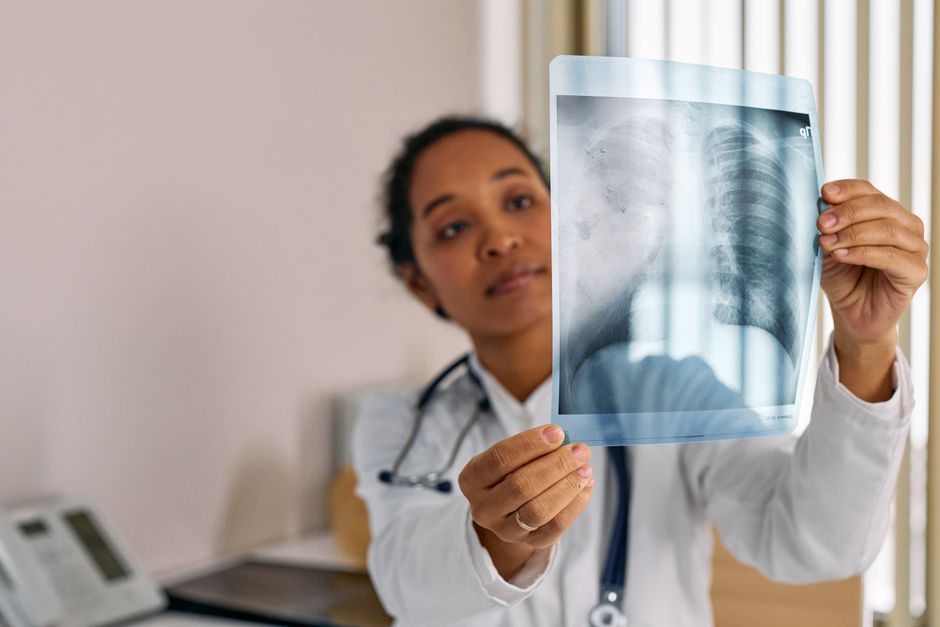
A chest X-ray shows the structure of your lungs and heart. It can detect pneumonia, lung cancer, and fluid buildup. CT scans provide more detail. They can show small nodules or early signs of disease that X-rays miss.
Blood tests measure oxygen and carbon dioxide levels. Pulse oximetry uses a small clip on your finger to estimate oxygen saturation. Normal levels are 95 to 100 percent. Levels below 90 percent require medical attention.
Bronchoscopy involves a thin tube with a camera inserted through your nose or mouth into your lungs. Doctors use it to look for tumors, take tissue samples, or remove foreign objects. It requires sedation and is usually done as an outpatient procedure.
| Test | What It Measures | How Long It Takes |
|---|---|---|
| Spirometry | Airflow and lung volume | 15 minutes |
| Chest X-ray | Lung structure and abnormalities | 10 minutes |
| CT scan | Detailed lung images | 30 minutes |
| Pulse oximetry | Blood oxygen level | 30 seconds |
| Bronchoscopy | Inside view of airways | 30-60 minutes |
Early diagnosis improves outcomes for most respiratory conditions. If you have a cough that lasts more than three weeks, shortness of breath, or coughing up blood, see a doctor. Do not wait.
Frequently Asked Questions
What is the main function of the respiratory system?
The main function is to bring oxygen into the body and remove carbon dioxide. This gas exchange happens in the alveoli of the lungs.
Can you live with one lung?
Yes, many people live full lives with one lung. The remaining lung expands to compensate for the lost tissue.
What happens when the respiratory system fails?
Oxygen levels in the blood drop and carbon dioxide builds up. This is called respiratory failure and requires emergency medical treatment.
How can I tell if my breathing is normal?
Normal breathing is quiet, effortless, and happens 12 to 20 times per minute at rest. If you feel short of breath during light activity, talk to your doctor.
