
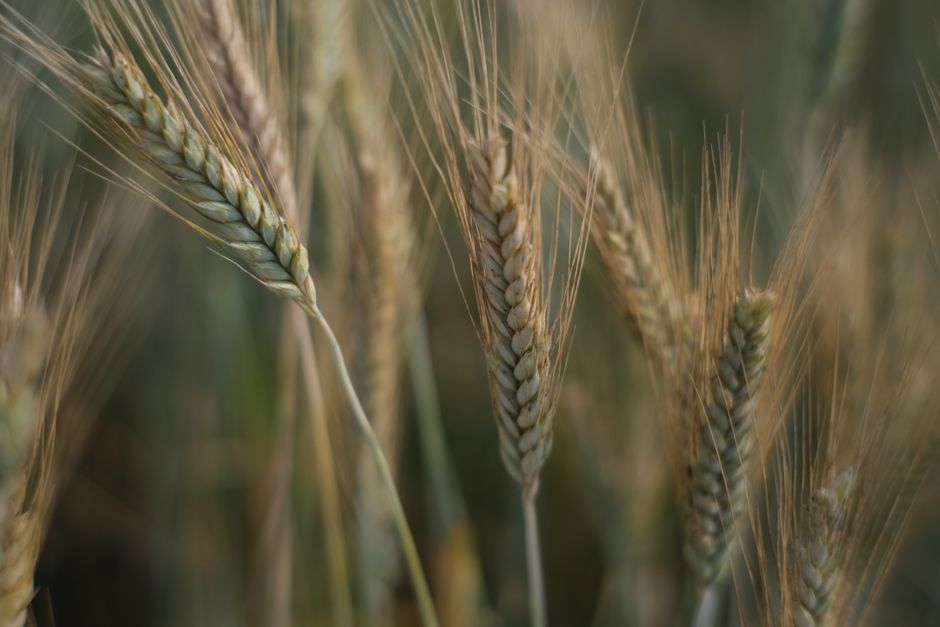
Khorasan wheat is an ancient grain, often sold under the brand name Kamut, that offers more protein, minerals, and antioxidants than modern wheat. It is a distinct species of wheat, not a hybrid or genetically modified crop. For people who tolerate wheat, it provides a nutrient-dense alternative with a rich, buttery flavor.
What Is Khorasan Wheat Nutrition And Health Benefits?
Khorasan wheat delivers a stronger nutritional profile than standard wheat. It contains about 20 to 40 percent more protein than modern wheat varieties. It is also notably higher in selenium, zinc, magnesium, and phosphorus.
One key difference is its fatty acid content. Khorasan wheat contains more unsaturated fats and a better ratio of omega-3 to omega-6 fatty acids compared to common wheat. Some research suggests this may help with inflammation, though human studies remain limited.
The grain is also a solid source of dietary fiber. A single cooked serving provides a meaningful portion of your daily fiber needs. Fiber supports digestion, helps manage blood sugar, and contributes to heart health.
How Does Khorasan Wheat Compare to Modern Wheat?
Modern wheat has been bred for high yields and easy processing. Khorasan wheat has remained largely unchanged for thousands of years. That genetic difference shows up in its nutrition.
Khorasan wheat has a larger kernel than modern wheat. The larger size means more endosperm, the part of the grain that stores energy and nutrients. It also has a higher mineral content because the soil it grows in and its older genetics allow for better mineral uptake.
One important distinction involves gluten. Khorasan wheat contains gluten, and it is not safe for people with celiac disease. Some people with non-celiac gluten sensitivity report fewer symptoms with ancient wheats, but the evidence for this is not strong. If you have gluten sensitivity, talk to your doctor before trying any wheat product.
What Are the Proven Health Benefits?
The benefits of Khorasan wheat come from its nutrient density. It is not a medicine. It is food.
Heart health markers: Some studies have looked at how Khorasan wheat affects cholesterol. Research published in the European Journal of Clinical Nutrition found that people who ate products made with Khorasan wheat had lower total cholesterol and LDL cholesterol compared to those eating modern wheat. The study was small, and more research is needed.
Blood sugar control: The higher fiber and protein content slow digestion. This can lead to a gentler rise in blood sugar after meals compared to refined wheat products. One study in the British Journal of Nutrition found improved insulin sensitivity in healthy adults who ate Khorasan wheat.
Antioxidant activity: Khorasan wheat contains more selenium and polyphenols than modern wheat. Selenium acts as an antioxidant in the body. It helps protect cells from oxidative damage. The practical impact of this difference is not fully understood.





Is Khorasan Wheat Good for Weight Management?
Khorasan wheat can fit into a weight management plan, but it is not a weight-loss food. Its fiber and protein content promote satiety. You feel full longer after eating it compared to refined grains.
The calories are similar to other whole grains. A cup of cooked Khorasan wheat has roughly 220 to 250 calories. The advantage is that you may eat less overall because of the fullness factor.
Portion control still matters. No grain, regardless of its nutrient profile, supports weight loss if you eat it in excess. Pair it with vegetables and lean protein for a balanced meal.
How Do You Cook and Use Khorasan Wheat?
Khorasan wheat requires more cooking time than modern wheat. The kernels are large and dense. Plan for about 45 to 60 minutes of simmering.
Rinse the grain first. Use a ratio of about one part grain to three parts water or broth. Bring to a boil, then reduce to a simmer and cover. Cook until the kernels are tender but still chewy.
You can use cooked Khorasan wheat in several ways:
- As a base for grain bowls with roasted vegetables
- In soups and stews instead of barley or rice
- Chilled in salads with herbs, lemon, and olive oil
- As a hot breakfast cereal with fruit and nuts
- Ground into flour for baking bread, pasta, or pancakes
Khorasan wheat flour behaves differently than modern wheat flour. It absorbs less water. You may need to adjust liquid amounts in recipes. The flour also produces a denser baked good because it has less gluten-forming potential.
Are There Any Risks or Downsides?
Khorasan wheat is wheat. Anyone with celiac disease must avoid it completely. The gluten in Khorasan wheat triggers the same autoimmune response as modern wheat gluten.
People with a wheat allergy should also avoid it. The proteins that cause allergic reactions are present in this grain.
For those with non-celiac gluten sensitivity, the situation is less clear. Some people report fewer digestive symptoms with ancient wheat varieties. The scientific evidence does not strongly support this. If you have gluten sensitivity, approach Khorasan wheat with caution and monitor your symptoms.
Khorasan wheat is not suitable for a low-FODMAP diet. It contains fructans, which can cause bloating in sensitive individuals. This is true of all wheat products.
What Is the Difference Between Khorasan and Kamut?
Kamut is a brand name. It is not a different grain. Kamut is the registered trademark for Khorasan wheat grown and processed according to specific standards.
To be sold as Kamut, the grain must be certified organic and cannot be hybridized or genetically modified. This guarantees a consistent product. Khorasan wheat sold without the Kamut brand may not meet these standards.
Nutritionally, the two are essentially the same. The difference is quality assurance and traceability. If you want the most consistent product, look for the Kamut brand. If you simply want the grain, either option works.
Is Khorasan Wheat Environmentally Sustainable?
Khorasan wheat is often grown using traditional farming methods. It performs well in low-input systems. It requires less fertilizer and water than modern wheat in many growing regions.
The grain is predominantly grown in Montana and Canada. These regions have the right climate and soil conditions. The farming practices used for Kamut-brand wheat emphasize soil health and crop rotation.
Choosing Khorasan wheat supports a farming system that is less resource-intensive than conventional wheat production. This is not a health benefit, but it matters to many consumers.
Who Should Eat Khorasan Wheat?
Khorasan wheat is a reasonable choice for most people who already eat wheat and want more nutrients from their grains. It offers more protein, minerals, and fiber than standard whole wheat.
Athletes and active people may benefit from the higher protein content. Older adults concerned about mineral intake may find it useful. Anyone looking to add variety to their whole grain rotation can enjoy it.
It is not a necessary food. Modern whole wheat is still a healthy choice. Khorasan wheat is simply a more nutrient-dense option when it is available and affordable.
What Does the Research Actually Show?
The research on Khorasan wheat is promising but limited. Most studies are small and short-term. They focus on markers like cholesterol, blood sugar, and inflammation rather than long-term health outcomes.
One notable study involved participants with cardiovascular risk factors. They ate Khorasan wheat products for eight weeks and showed improvements in cholesterol and inflammatory markers. The same group showed no such improvements when eating modern wheat. This suggests the grain itself, not just the act of eating whole grains, drives the benefit.
Other research has found similar results in people with metabolic syndrome. Blood sugar control and insulin sensitivity improved. These findings are encouraging but need confirmation in larger trials.
The bottom line is that Khorasan wheat appears to be a healthy whole grain. It is not a treatment for any condition. It is a food choice that may offer advantages over modern wheat for some people.
Frequently Asked Questions
Is Khorasan wheat safe for people with celiac disease?
No. Khorasan wheat contains gluten and is not safe for anyone with celiac disease. It triggers the same immune reaction as any other wheat.
Does Khorasan wheat taste different from regular wheat?
Yes. Khorasan wheat has a rich, buttery, nutty flavor that is noticeably different from modern wheat. Many people find it more flavorful and satisfying.
Can I substitute Khorasan wheat flour for regular flour in recipes?
You can, but you will need to adjust the recipe. Khorasan flour absorbs less liquid and produces a denser texture. Start by substituting about 25 percent of the flour and adjust from there.
Is Khorasan wheat more expensive than regular wheat?
Yes, it is typically two to three times more expensive. The higher cost reflects smaller production volumes and organic growing standards, not a marketing gimmick.
