
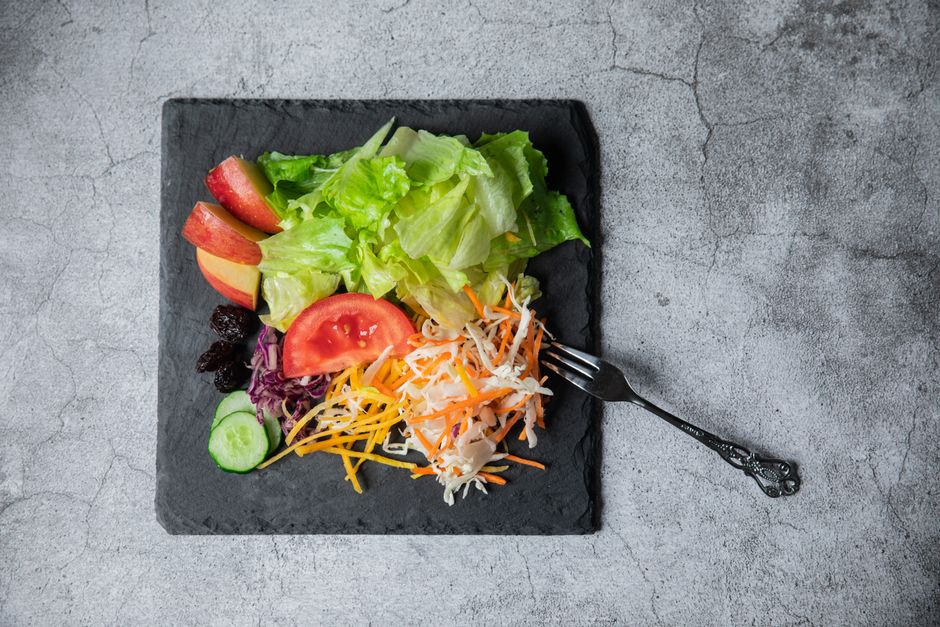
Coleslaw is not automatically high in calories, but it often ends up that way. The base ingredients — cabbage and carrots — are very low in calories. The calorie count changes dramatically based on the dressing. A simple vinegar-based slaw can have fewer than 50 calories per half-cup, while a creamy, mayonnaise-heavy version can easily top 150 calories or more for the same serving size. The dressing is the entire story.
What Determines the Calorie Count in Coleslaw?
The cabbage is not the problem. A full cup of shredded cabbage has about 22 calories. Carrots add roughly 12 calories per half-cup. Even a generous serving of the vegetables alone would barely register in your daily intake.
The dressing decides everything. Mayonnaise is the most calorie-dense ingredient commonly used. One tablespoon of regular mayonnaise contains about 90 calories and 10 grams of fat. Most creamy coleslaw recipes call for at least a quarter-cup of mayonnaise per batch, sometimes more. That single ingredient can push a modest side dish into the same calorie range as a candy bar.
Sugar is the second hidden contributor. Many commercial and restaurant coleslaws add sugar to balance the tang of vinegar and mayonnaise. A single tablespoon of sugar adds 48 calories, and it is easy to use more than that in a batch. The combination of mayonnaise and sugar is why coleslaw varies so wildly in nutritional value depending on where you get it.
Calorie Comparison: Creamy vs. Vinegar-Based Coleslaw
The difference between styles is substantial. A half-cup serving of deli-style creamy coleslaw typically falls between 120 and 180 calories. Fast food versions often land at the higher end because they use more dressing to keep the cabbage moist and flavorful.
Vinegar-based slaws tell a different story. A half-cup of vinegar coleslaw usually contains between 30 and 60 calories. The dressing is mostly vinegar, a little oil, and seasonings. The oil adds some calories, but the total remains far below the creamy version.
Home-prepared slaw sits anywhere in between, depending entirely on the recipe. A light vinaigrette with a teaspoon of olive oil per serving keeps the calorie count low. A recipe that calls for a cup of mayonnaise across four servings pushes each serving well over 200 calories.
| Type of Coleslaw | Approximate Calories per Half-Cup |
|---|---|
| Plain shredded cabbage (no dressing) | 15–25 |
| Vinegar-based coleslaw | 30–60 |
| Light creamy coleslaw (reduced-fat dressing) | 60–100 |
| Standard creamy coleslaw (full-fat mayo) | 120–180 |
| Restaurant or fast food creamy coleslaw | 150–250 |
These are general ranges, not exact figures. Recipes vary, and portion sizes at restaurants are often larger than a half-cup. If you eat a full cup of creamy coleslaw, double the numbers above.
Nutrition Beyond Calories: Fat, Sugar, and Fiber
Calories are only part of the picture. The type of dressing affects the nutritional profile just as much as the total count.
Creamy coleslaw is high in fat. Most of that fat comes from the mayonnaise, which is primarily soybean or canola oil. A half-cup of standard creamy coleslaw can contain 10 to 15 grams of fat. That is roughly 20 percent of a standard daily fat allowance of 65 grams based on a 2,000-calorie diet. Saturated fat is usually low unless the recipe uses a lot of egg or cream, but the total fat content is still significant.
Sugar is the other concern. Commercial coleslaw often contains added sugar. Some fast food versions have 8 to 12 grams of sugar per serving, roughly two to three teaspoons. Vinegar-based slaws typically have much less, sometimes none at all.
The vegetables provide genuine nutritional value. Cabbage is a good source of vitamin C and vitamin K. It also contains glucosinolates, compounds that some research suggests may have anti-cancer properties, though the evidence in humans is not conclusive. The fiber content is modest but real — about 1 to 2 grams per half-cup of prepared slaw.
One clarification worth making: the vegetables do not lose their nutrients because of the dressing. The dressing adds calories, fat, and sugar, but it does not cancel out the vitamins in the cabbage. You are still getting the benefits of the vegetables, just alongside the extra calories.




Is Coleslaw High In Calories Nutrition Facts Compared to Other Sides?
Coleslaw sits in the middle of the side dish spectrum. It is not as calorie-dense as french fries, which typically run 300 to 400 calories for a medium order. It is also not as light as a simple green salad with vinaigrette, which can stay under 100 calories.
Compared to other picnic and barbecue sides, coleslaw is competitive. A half-cup of potato salad often contains 150 to 200 calories, similar to creamy coleslaw. Macaroni salad runs in the same range. Baked beans are usually 120 to 150 calories per half-cup but offer more protein and fiber.
The practical takeaway is that coleslaw is a reasonable choice when you control the dressing. The problem is rarely the cabbage. It is the amount of mayonnaise and sugar in the recipe.
How to Make Coleslaw Lower in Calories Without Losing Flavor
You do not need to give up coleslaw to watch your calorie intake. Small changes to the dressing make a large difference.
The simplest swap is replacing half the mayonnaise with plain Greek yogurt. Greek yogurt has a similar creamy texture and tang, but a half-cup contains about 60 calories compared to 360 calories in the same amount of mayonnaise. The yogurt also adds protein, which mayonnaise does not provide.
Another option is switching to a vinegar-based dressing entirely. A mixture of apple cider vinegar, a small amount of olive oil, salt, and pepper creates a slaw that is bright and crisp without the heaviness of mayonnaise. Most people find that a vinegar slaw tastes completely different from a creamy one, so this works best if you are open to the flavor change.
If you are buying coleslaw at the store or a restaurant, check the ingredient list when available. Look for slaws where the dressing ingredients appear further down the list, which indicates a smaller amount. Some grocery stores now offer lighter versions made with reduced-fat dressing or yogurt.
Portion control is the backup strategy. A half-cup of creamy coleslaw is a reasonable serving. A full cup or more pushes the calorie count into a different category. Measuring your serving at home for the first few times helps calibrate what a reasonable portion actually looks like.
What About Store-Bought and Fast Food Coleslaw?
Commercial coleslaw is where the calorie range gets wide. Fast food coleslaw can be surprisingly high because restaurants add extra dressing to keep the product moist and appealing during storage. Some chains use a sweetened dressing that adds both fat and sugar.
Pre-packaged coleslaw from the grocery store varies by brand. Some are made with a light vinaigrette and stay under 80 calories per half-cup. Others use a full-fat creamy dressing and land in the 150 to 200 calorie range. The nutrition label is the only reliable way to know what you are getting.
One thing to watch for in packaged coleslaw is the serving size. Some brands list a serving as two tablespoons or a quarter-cup, which is much smaller than what most people actually eat. If the label says the container holds two servings but you eat the whole thing, you are getting double the listed calories.
No clinical evidence suggests that coleslaw itself is either good or bad for health. It is a side dish made from vegetables and dressing. The health impact depends entirely on the dressing and the portion size.
Frequently Asked Questions
Is coleslaw healthy for weight loss?
It can be, if you choose a vinegar-based or light dressing and keep the portion to about half a cup. Creamy coleslaw with full-fat mayonnaise is calorie-dense and easier to overeat.
How many calories are in a typical serving of coleslaw?
A half-cup of creamy coleslaw typically contains 120 to 180 calories, while vinegar-based slaw runs 30 to 60 calories for the same amount. Restaurant versions can exceed 200 calories per serving.
Is coleslaw high in sugar?
It depends on the recipe. Creamy commercial coleslaw often has 8 to 12 grams of added sugar per serving. Homemade vinegar slaw usually has little or no added sugar.
Can I eat coleslaw on a low-carb diet?
Yes, in moderation. Cabbage is low in carbohydrates, but the dressing may add sugar. A half-cup of creamy coleslaw typically contains 5 to 10 grams of carbohydrates, most of which come from added sugar.
