
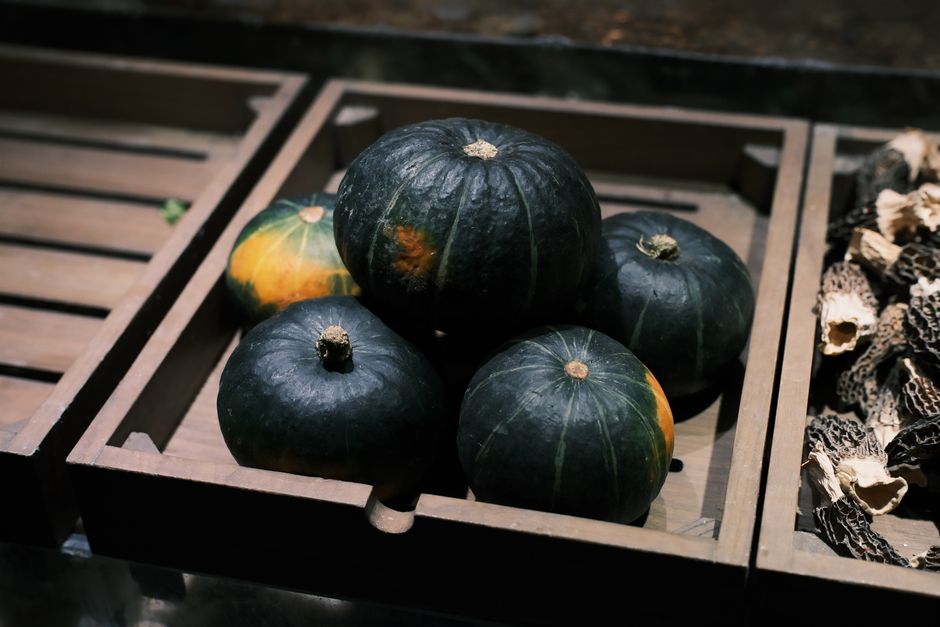
Kabocha drink is a beverage made from kabocha squash, a Japanese pumpkin known for its sweet, nutty flavor and deep orange flesh. Research shows it is good for supporting immune function, eye health, and steady energy levels because of its high vitamin A, vitamin C, and fiber content. Some people also drink it for digestive health or as a natural anti-inflammatory option. The evidence for most of these benefits is solid, though a few popular claims go beyond what studies actually show.
What Nutrients Does Kabocha Drink Provide?
Kabocha squash is packed with nutrients that carry over into the drink. A single cup of kabocha contains more than 200 percent of your daily vitamin A needs. This comes from beta-carotene, which your body converts into active vitamin A. Vitamin A is essential for vision, immune function, and skin health.
The drink also provides vitamin C, which supports collagen production and helps your immune system work properly. You get about 20 percent of your daily vitamin C from a serving of kabocha. It also contains potassium, magnesium, and small amounts of B vitamins.
One standout nutrient is fiber. Kabocha has more fiber than most winter squashes. When made into a drink, some fiber remains, especially if the squash is blended rather than strained. Fiber supports digestion and helps regulate blood sugar.
Key nutrients in kabocha drink include:
- Beta-carotene (converts to vitamin A)
- Vitamin C
- Potassium
- Magnesium
- Dietary fiber
- Small amounts of iron and B vitamins
What Does Research Say About Kabocha Drink and Blood Sugar?
Some studies suggest kabocha may help with blood sugar control. A 2018 study in the Journal of Medicinal Food found that kabocha extract reduced blood sugar spikes in rats after a high-carbohydrate meal. The effect came from compounds called polysaccharides, which may slow carbohydrate digestion.
Human studies are limited but promising. One small study with 20 adults found that eating kabocha before a meal lowered post-meal blood sugar compared to eating the meal alone. The fiber content likely plays a role here. Fiber slows how quickly your body absorbs sugar.
Current research suggests that kabocha drink could be helpful for people managing blood sugar, but it is not a replacement for medication or diet changes. The effect is modest. Drinking kabocha alongside a balanced meal is more effective than drinking it on its own.
As of 2026, there is no strong evidence that kabocha drink alone can prevent or treat diabetes. It may be a supportive food, not a cure.
Is Kabocha Drink Good for Your Eyes?
Yes, the evidence here is strong. Kabocha is exceptionally high in lutein and zeaxanthin, two carotenoids that accumulate in the retina. These compounds filter harmful blue light and protect against oxidative damage.
Research shows that people who consume more lutein and zeaxanthin have a lower risk of age-related macular degeneration. A 2022 review in Nutrients confirmed that these carotenoids slow the progression of cataracts and macular degeneration.
One cup of kabocha provides about 2.5 milligrams of lutein and zeaxanthin combined. That is roughly the same amount found in a serving of cooked spinach. For people who do not eat leafy greens regularly, kabocha drink is a practical alternative.
The beta-carotene in kabocha also supports night vision. Vitamin A deficiency is a leading cause of preventable blindness worldwide. Most people in developed countries get enough vitamin A, but kabocha drink can help maintain healthy levels.





How Does Kabocha Drink Compare to Other Squash Drinks?
Kabocha drink is often compared to butternut squash or pumpkin drinks. Each has a slightly different nutrient profile. The table below shows the main differences based on a 100-gram serving.
| Nutrient | Kabocha | Butternut Squash | Pumpkin |
|---|---|---|---|
| Vitamin A (RAE) | 1,064 mcg | 532 mcg | 426 mcg |
| Vitamin C | 9 mg | 15 mg | 4.7 mg |
| Fiber | 2.8 g | 1.5 g | 0.5 g |
| Potassium | 340 mg | 266 mg | 230 mg |
Kabocha has more vitamin A and fiber than either butternut squash or pumpkin. It has less vitamin C than butternut squash but more than pumpkin. If you are looking for the highest beta-carotene and fiber content, kabocha is the better choice.
What Are the Anti-Inflammatory Effects of Kabocha Drink?
Kabocha contains several compounds with anti-inflammatory properties. Beta-carotene, vitamin C, and magnesium all help reduce inflammation at the cellular level. Chronic inflammation is linked to heart disease, arthritis, and other conditions.
Some studies suggest that the polysaccharides in kabocha may reduce markers of inflammation. A 2020 study in the International Journal of Biological Macromolecules found that kabocha polysaccharides reduced inflammatory cytokines in cell cultures. This means the compounds may calm an overactive immune response.
Human studies are not yet available to confirm these effects. The anti-inflammatory benefits of kabocha drink are likely real but modest. Eating a diet rich in colorful vegetables is more effective than relying on a single food.
People with autoimmune conditions sometimes report feeling better after adding kabocha to their diet. This is widely claimed though strong evidence is limited. Individual results vary. The anti-inflammatory effect is probably strongest when kabocha is part of a whole-foods diet.
Does Kabocha Drink Help with Digestion?
Yes, the fiber in kabocha supports regular digestion. A single serving provides about 2.8 grams of fiber, which is 10 percent of the daily recommended intake. Fiber adds bulk to stool and helps prevent constipation.
Kabocha also contains water-soluble fiber, which feeds beneficial gut bacteria. These bacteria produce short-chain fatty acids that support colon health. A 2021 review in the journal Nutrients confirmed that soluble fiber from squash varieties improves gut microbiome diversity.
Some people report that kabocha drink soothes an upset stomach. This may be due to its low acidity compared to fruit juices or citrus drinks. Kabocha is naturally alkaline, which some people find easier on the stomach.
If you have irritable bowel syndrome, start with a small amount. The fiber content can cause gas or bloating if you are not used to high-fiber foods. Drink it slowly and see how your body responds.
What Are the Side Effects of Kabocha Drink?
Side effects are rare but possible. The most common issue is digestive discomfort from the fiber. Drinking too much too quickly can cause gas, bloating, or cramping. Start with a half-cup serving if you are new to kabocha.
Kabocha is high in beta-carotene. Eating very large amounts over time can cause carotenemia, a harmless condition where the skin turns slightly orange. This is not dangerous and goes away when you reduce intake. It is rare from drinking kabocha alone.
People with kidney disease should be cautious. Kabocha is high in potassium, and too much potassium can be dangerous for people with impaired kidney function. Check with your doctor if you are on a potassium-restricted diet.
Some commercial kabocha drinks contain added sugar. Check labels carefully. The health benefits come from the squash itself, not from added sweeteners. Look for drinks with no added sugar or make your own at home.
What to Look for in a Kabocha Drink
Not all kabocha drinks are the same. Many store-bought versions are diluted with apple juice or other sweeteners. The best option is a drink made from 100 percent kabocha squash with no added sugar.
What to check on the label:
- First ingredient should be kabocha or kabocha puree
- No added sugar or sweeteners
- Short ingredient list
- No artificial flavors or colors
- Organic if possible to avoid pesticide residue
Making your own kabocha drink is simple. Steam or roast kabocha until soft. Blend with water until smooth. Strain for a thinner drink or leave it thick for more fiber. Add cinnamon or ginger for flavor without sugar.
Store-bought versions can be convenient but read labels. Some brands add sugar to improve taste. If the label lists sugar, honey, or fruit juice concentrate, the drink is less healthy than you think.
Frequently Asked Questions
Is kabocha drink safe to drink every day?
Yes, for most people it is safe to drink daily in moderate amounts. Start with a half-cup serving and increase slowly to avoid digestive discomfort.
Does kabocha drink help with weight loss?
It may help indirectly because it is low in calories and high in fiber, which promotes fullness. There is no direct evidence that kabocha drink causes weight loss.
Can I drink kabocha drink if I have diabetes?
Yes, but monitor your blood sugar response. The fiber content helps slow sugar absorption, but some commercial versions contain added sugar.
Is kabocha drink better hot or cold?
Both are fine. Hot kabocha drink may be more soothing for digestion, while cold versions are refreshing. The nutrient content does not change significantly.
