
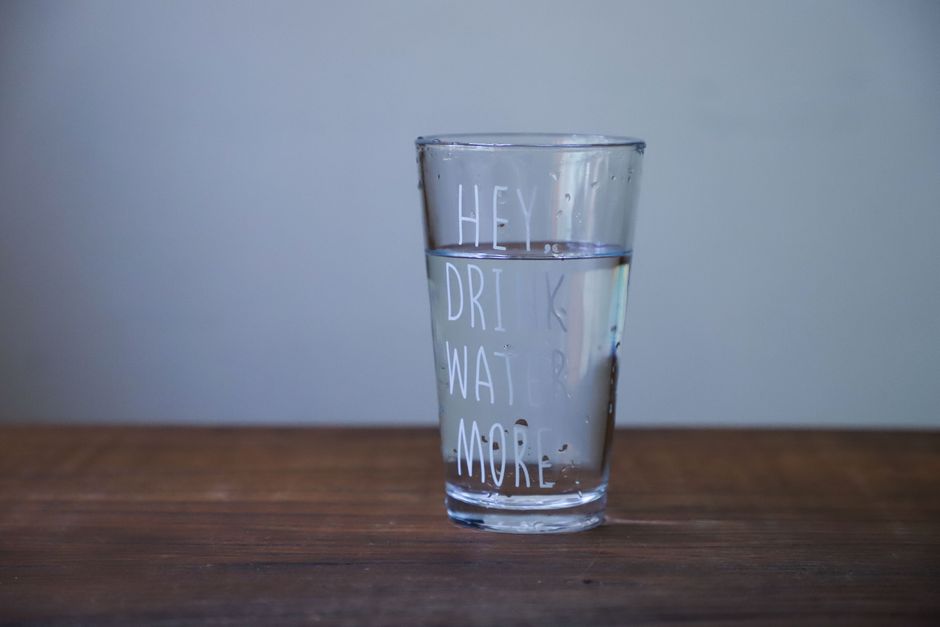
Most people do not drink enough water simply because they forget. The direct answer is to pair drinking water with habits you already do. Put a full glass of water next to your toothbrush. Drink a glass every time you wash your hands. Keep a reusable bottle on your desk and take one sip every time you look at your phone. These small triggers turn remembering into something automatic.
Why Is Remembering To Drink Water So Hard?
Your body is not good at sending clear thirst signals. By the time you feel thirsty, you are already mildly dehydrated. The CDC reports that many adults do not meet their daily fluid needs. Thirst is a late signal, not an early one.
Daily life gets in the way. Work deadlines, kids, and screen time push basic needs aside. Your brain prioritizes urgent tasks over quiet signals like thirst. This is normal. It is not a failure of willpower. It is a design problem with your environment.
Many people also confuse thirst with hunger. Research published in the journal Physiology & Behavior found that people often eat when they are actually thirsty. The brain’s signals for hunger and thirst overlap. This makes it even harder to notice you need water.
What Does Research on Hydration Habits Show?
Studies have found that environmental cues work better than willpower. A study in the Journal of Nutrition showed that people who kept water visible drank significantly more than those who did not. Visibility is the strongest predictor of water intake.
Another study from the University of Illinois looked at habit formation. Researchers found that linking a new habit to an existing one — called habit stacking — had the highest success rate. People who drank water right after brushing their teeth kept the habit longer than those who set a general reminder.
Evidence also shows that taste matters. A study in Appetite found that people drank 50% more water when it was lightly flavored with lemon or cucumber. Plain water is fine. Flavored water is easier to drink consistently.
How To Remember To Drink Water Throughout The Day
The key is to use triggers that already exist in your daily routine. Do not rely on memory alone. Memory is unreliable. Triggers are not.
Here are the most effective methods based on research and real-world use:
- Morning toothbrush cue. Place a full glass of water next to your toothbrush. Drink it immediately after brushing. This pairs hydration with an automatic morning habit.
- Phone lock screen. Change your lock screen wallpaper to a water droplet image. Every time you unlock your phone you see the reminder.
- One bottle method. Use a single 32-ounce bottle. Fill it in the morning. Your goal is to finish it by noon and refill for the afternoon. No counting cups. No apps.
- Bathroom sink rule. Every time you wash your hands, drink a small glass of water. Most people wash their hands 6-8 times per day. That adds up quickly.
- Meal anchor. Drink one full glass of water before every meal. This also helps with portion control during eating.
These methods work because they remove the need to remember. The environment does the work for you.




What About Apps and Smart Water Bottles?
Phone apps and smart bottles are popular. Some people find them helpful. The evidence on their long-term effectiveness is mixed.
A study in the Journal of Medical Internet Research tested hydration reminder apps. Users drank more water in the first two weeks. After one month, most users ignored the notifications. App fatigue is real. People get tired of constant alerts.
Smart water bottles that glow or vibrate have the same problem. They work well for the first few days. Then the novelty wears off. Many of these bottles end up unused within a few months.
This does not mean apps are useless. They can be a good short-term tool. But for long-term results, environmental triggers are more reliable. A glass on the counter beats a phone notification every time.
How Much Water Do You Actually Need?
The old advice of eight glasses per day is not backed by strong science. The National Academies of Sciences, Engineering, and Medicine gives more specific numbers. For women, about 11.5 cups of total water per day. For men, about 15.5 cups. This includes water from food, not just drinks.
Most fruits and vegetables are 80-95% water. Cucumbers, lettuce, and watermelon contribute significantly to your daily intake. Coffee and tea also count. The idea that caffeine dehydrates you is a myth. Moderate caffeine intake has a mild diuretic effect but does not cancel out the fluid.
A simpler approach is to check your urine color. Pale yellow means you are well hydrated. Dark yellow or amber means you need more water. This is a practical real-world test that does not require counting.
Common Mistakes People Make With Hydration
One common mistake is chugging large amounts of water at once. Drinking a full liter in five minutes does not hydrate you better. Your kidneys simply flush out the excess. Sips throughout the day are more effective than large gulps.
| Mistake | Why It Does Not Work | Better Approach |
|---|---|---|
| Chugging large amounts | Kidneys flush excess quickly | Sip steadily through the day |
| Ignoring thirst until it is strong | You are already dehydrated | Drink before you feel thirsty |
| Only drinking plain water | Some people find it boring | Add lemon, cucumber, or mint |
| Relying on thirst alone | Thirst is a late signal | Use environmental triggers |
Another mistake is thinking you need sports drinks. For most people, plain water is enough. Sports drinks contain sugar and electrolytes. They only help if you are exercising intensely for over an hour. For daily hydration, water is better.
Some people also avoid water before bed to prevent waking up at night. This is reasonable for those with bladder issues. But for most people, a small glass of water an hour before bed is fine. The key is timing, not avoidance.
What To Avoid When Trying To Stay Hydrated
Avoid sugary drinks as your main source of hydration. Soda, sweetened tea, and fruit juice add calories without the same hydrating effect. Your body processes sugar differently than water. High sugar intake can actually increase your fluid needs.
Avoid drinking too much water too fast after exercise. This can cause hyponatremia, a condition where your blood sodium drops too low. It is rare but dangerous. Sip water slowly after exercise and include some electrolytes if you sweat heavily.
Avoid setting vague goals like “drink more water.” Vague goals do not stick. Specific triggers work. “Drink one glass after every bathroom break” is specific. “Drink more” is not.
Also avoid relying on plastic water bottles that sit in a hot car. Heat can cause chemicals from the plastic to leach into the water. Use a stainless steel or glass bottle instead. This is a small change with real health benefits.
How To Build a Water Habit That Lasts
Start with one trigger. Pick the toothbrush cue or the bathroom sink rule. Do it for one week. Do not add anything else. After one week, add a second trigger if you want.
Track your progress for the first few days. Use a simple tally mark on a sticky note. Do not use an app if you dislike apps. The point is to build awareness, not to create a complex system.
After two weeks, the habit will feel automatic. You will reach for water without thinking. That is the goal. A habit is something you do without deciding to do it. That is how you remember to drink water throughout the day without effort.
If you miss a day, do not worry. Habits are not ruined by one miss. Just start again the next day. Consistency over months matters more than perfection on any single day.
Frequently Asked Questions
How can I remind myself to drink water without an app?
Place a glass of water next to your toothbrush or on your desk where you can see it. These visual cues work better than any app notification.
Is it bad to drink too much water at once?
Yes, drinking too much water too quickly can overwhelm your kidneys and flush out electrolytes. Sip slowly throughout the day instead.
Does coffee count toward my daily water intake?
Yes, coffee and tea count toward your fluid needs. The mild diuretic effect of caffeine does not cancel out the water content.
What color should my urine be for good hydration?
Pale yellow means you are well hydrated. Dark yellow or amber means you need to drink more water.
