
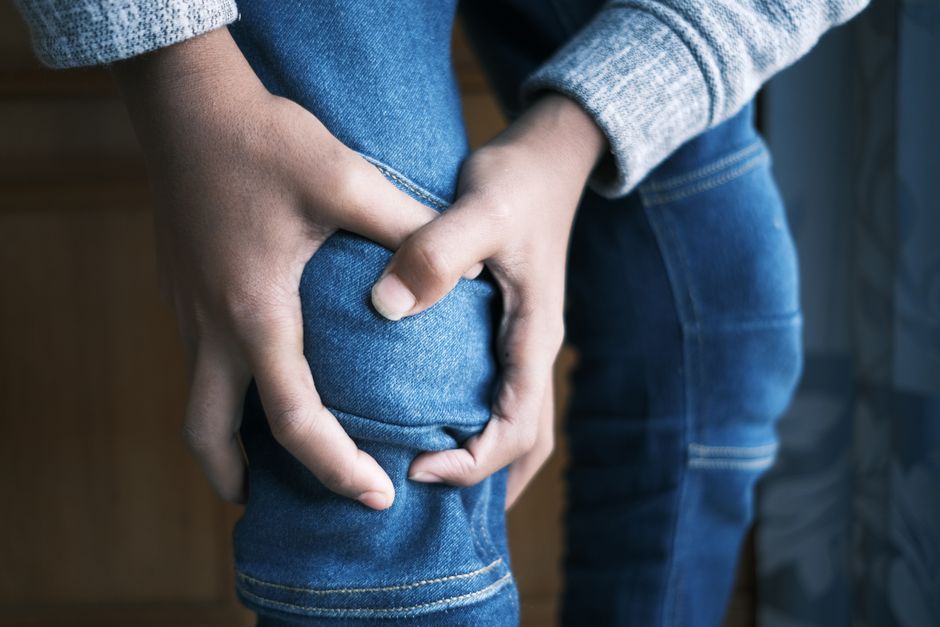
Joint effusion in the knee is the medical term for excess fluid building up inside or around the knee joint. Most people know it as “water on the knee.” It causes visible swelling, stiffness, and pain. The fluid is not just water; it is synovial fluid, blood, or pus, depending on the cause. Swelling can happen suddenly after an injury or build up slowly over time with arthritis. Treatment depends entirely on what triggered the fluid buildup, ranging from rest and ice to draining the fluid or surgery.
What Is Joint Effusion In The Knee Causes Treatment?
Joint effusion is the abnormal accumulation of fluid in the joint capsule that surrounds the knee. The knee normally contains a small amount of synovial fluid, which lubricates the joint and nourishes the cartilage. When the knee produces too much fluid, or when blood or pus enters the joint, it causes swelling. This is a symptom of an underlying problem, not a disease itself.
The knee is the joint most often affected by effusion. This is because it is a large weight-bearing joint with a complex structure. It also has less soft tissue surrounding it than joints like the hip, so swelling becomes more visible. The body produces extra fluid in response to irritation, inflammation, or injury. Identifying the cause is the first step in treatment.
What Causes Fluid To Build Up In The Knee?
There are two broad categories of causes: acute injuries and chronic conditions. An acute injury happens suddenly. A chronic condition develops over time. Each requires a different treatment approach.
Acute causes include:
- Ligament tears, such as an ACL or MCL tear
- Meniscus tears
- A fracture of the bones around the knee
- A direct blow to the knee
When an injury causes rapid swelling within a few hours, it often means blood is in the joint. This is called hemarthrosis. It usually signals a significant injury like a ligament tear or fracture. Swelling that appears the morning after an injury is more likely to be excess synovial fluid.
Chronic causes include:
- Osteoarthritis, the wear-and-tear form of arthritis
- Rheumatoid arthritis and other inflammatory joint diseases
- Gout or pseudogout, caused by crystal deposits
- Bursitis, inflammation of the fluid-filled sacs near the knee
- Infections, which require urgent medical care
Osteoarthritis is the most common cause of chronic knee effusion in adults over 50. The damaged cartilage irritates the joint lining, which produces excess fluid. Gout causes sudden, intensely painful swelling because uric acid crystals inflame the joint. An infected knee joint, called septic arthritis, is a medical emergency. It causes swelling, fever, and severe pain and requires immediate treatment.
How Do You Know If The Swelling Is Serious?
Not all knee swelling is an emergency, but some signs should not be ignored. Seek medical care if the knee is very swollen, feels hot, or you cannot bear weight on it. A fever with knee swelling suggests an infection. So does swelling that comes with redness and severe pain even when you are not moving the knee.
An inability to fully straighten or bend the knee also warrants attention. This can mean a torn meniscus or a loose piece of cartilage inside the joint. If the knee gives way or locks, that is another sign of structural damage. These symptoms require a medical evaluation, not just rest.
Swelling that lasts more than a few days, or that keeps coming back, should be evaluated. Repeated effusions may indicate an underlying condition like arthritis that needs ongoing management. A doctor can determine if the fluid is inflammatory or non-inflammatory by examining it under a microscope.




How Is Knee Joint Effusion Diagnosed?
A doctor starts with a physical exam and your medical history. They will ask how the swelling started and what makes it worse. They will check the range of motion and look for tenderness, warmth, and instability.
Imaging tests are often needed. An X-ray shows bone alignment and joint space narrowing, which points to arthritis. It will not show the fluid itself, but it can reveal fractures or bone spurs. An MRI shows soft tissues like ligaments, tendons, and cartilage. It is the best test for finding a torn meniscus or ligament injury.
In some cases, the doctor will remove fluid from the knee with a needle. This is called arthrocentesis. The fluid is sent to a lab for analysis. The appearance of the fluid helps identify the cause. Clear, straw-colored fluid suggests osteoarthritis. Cloudy fluid may indicate gout or infection. Bloody fluid suggests a recent injury. This procedure also relieves pressure and can reduce pain.
What Are The Treatment Options For Joint Effusion?
Treatment targets the cause of the swelling, not just the swelling itself. For a minor injury or a flare of osteoarthritis, home care is often enough.
The RICE method is the standard first approach:
- Rest the knee and avoid activities that cause pain
- Ice the knee for 15-20 minutes several times a day
- Compress with an elastic bandage to limit swelling
- Elevate the leg above heart level when possible
Nonsteroidal anti-inflammatory drugs, or NSAIDs, can reduce pain and inflammation. These include ibuprofen and naproxen. They are available over the counter. Use them as directed and talk to a doctor if you take them for more than a few days.
If the effusion is large or painful, a doctor may drain the fluid. This is the same needle procedure used for diagnosis. It provides quick relief, but the fluid can return if the underlying cause is not addressed. Draining the knee is not a cure. It is a temporary measure.
Physical therapy is important for many causes of knee effusion. Strengthening the quadriceps and hamstring muscles supports the knee joint. Better muscle support can reduce stress on the joint and prevent future episodes. A physical therapist can design a program specific to your condition.
Corticosteroid injections are an option for inflammatory conditions like rheumatoid arthritis or a severe osteoarthritis flare. These injections reduce inflammation directly in the joint. Relief can last weeks to months. They are not a long-term solution and repeated injections can damage cartilage over time.
When Is Surgery Needed For Knee Effusion?
Surgery is not the first choice for most causes of knee effusion. It becomes an option when there is structural damage that does not heal on its own. A torn ACL, a displaced meniscus tear, or loose bone fragments often require surgery. The procedure is usually arthroscopic, meaning the surgeon makes small incisions and uses a camera to guide instruments.
Knee replacement surgery is reserved for advanced osteoarthritis that causes severe pain and disability. This is a major operation. It is considered only after conservative treatments like physical therapy, injections, and weight management have failed. The decision is made jointly by you and an orthopedic surgeon.
If the cause is an infection, surgery may be needed to clean out the joint. Septic arthritis can destroy cartilage quickly. In addition to intravenous antibiotics, the joint may need to be washed out surgically. This is an urgent procedure.
Can You Prevent Joint Effusion In The Knee?
Not all cases are preventable, but some risk factors are modifiable. Maintaining a healthy weight is one of the most important. Excess weight increases the load on the knee joint. Losing weight reduces stress on the joint and lowers the risk of osteoarthritis and effusion.
Strengthening the muscles around the knee helps protect it. Strong quadriceps absorb shock and stabilize the joint. Low-impact exercises like swimming, cycling, and using an elliptical machine are good options. They build strength without pounding the joint.
Wearing proper footwear and using correct form during exercise reduces injury risk. If you play sports, consider knee pads or bracing if you have had previous injuries. There is limited evidence that bracing prevents injuries in people without prior knee problems.
How Long Does Knee Effusion Last?
The duration depends on the cause. A mild sprain or arthritis flare may improve within a few days to two weeks with rest and home care. A ligament tear or meniscus injury can take weeks or months to heal, especially if surgery is needed. Chronic conditions like osteoarthritis cause recurring effusions that come and go over years.
Following the treatment plan matters. Returning to activity too soon can prolong recovery. Ignoring the underlying cause leads to repeated swelling episodes. If the swelling does not improve after two weeks of home care, or if it keeps coming back, see a doctor.
Frequently Asked Questions
Is joint effusion in the knee the same as water on the knee?
Yes, “water on the knee” is the common term for joint effusion. The fluid is not plain water but synovial fluid, blood, or pus, depending on the cause.
Can knee joint effusion heal on its own?
Mild effusion from a minor injury or arthritis flare can resolve with rest, ice, and elevation. Effusion from a ligament tear, fracture, or infection will not heal on its own and needs medical treatment.
When should I go to the ER for a swollen knee?
Go to the emergency room if the knee is severely swollen, feels hot, or you have a fever. Inability to bear weight on the leg or sudden swelling after an injury also requires urgent care.
Is it bad to drain fluid from the knee?
Draining fluid is a safe, common procedure that relieves pain and helps diagnose the cause. It is not a cure, and the fluid can return if the underlying problem is not treated.
