
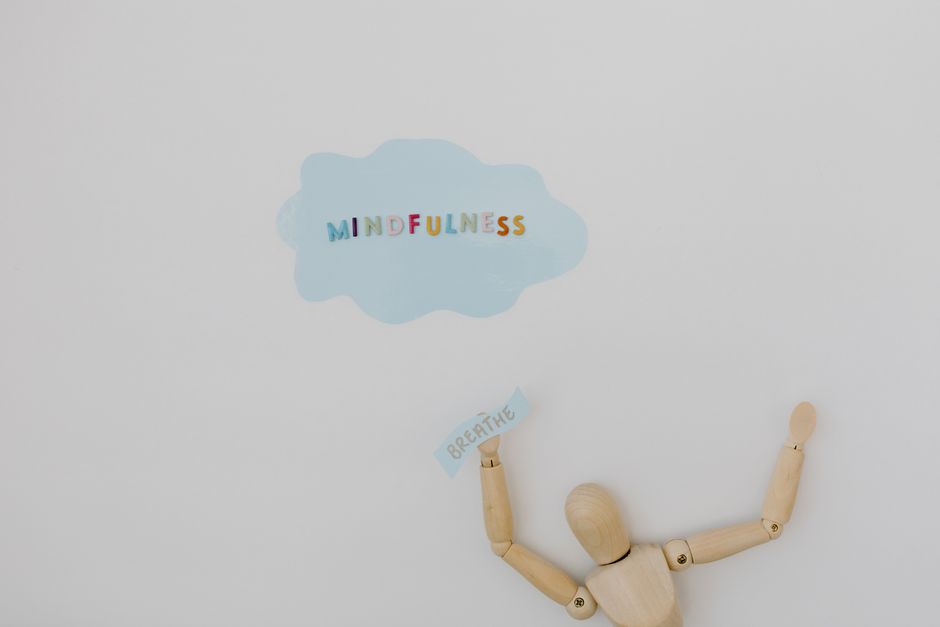
Stress and anxiety are not the same thing, but they often show up together. The most direct way to ease your mind is to slow your breathing and shift your focus away from racing thoughts. Research shows that controlled breathing and grounding techniques can lower your heart rate and reduce stress hormones within minutes. These are not cures for anxiety disorders, but they are reliable tools for calming your mind in the moment.
What Is the Difference Between Stress and Anxiety?
Stress is a response to an external trigger. You have a deadline, a conflict, or a big change coming up. Your body releases cortisol and adrenaline to help you handle it. Once the trigger goes away, the stress usually fades.
Anxiety is different. It is a reaction to stress that lingers even when the trigger is gone. It can feel like worry, fear, or dread about something that has not happened yet. The American Psychological Association describes anxiety as a future-oriented response. Your brain is trying to predict threats that may never come.
Both conditions affect the same systems in your body. They can cause muscle tension, shallow breathing, and trouble sleeping. The key difference is that stress has a clear cause. Anxiety often does not. Knowing which one you are dealing with helps you choose the right approach.
How To Ease Your Mind From Stress And Anxiety Using Breathing Techniques
Breathing is the fastest way to influence your nervous system. When you are stressed, you breathe faster and shallower. This signals your brain that something is wrong. Slow, deep breathing does the opposite.
The simplest method is called box breathing. Breathe in for four seconds. Hold for four seconds. Breathe out for four seconds. Hold for four seconds. Repeat for two minutes. Studies published in the Journal of Clinical Psychology have found that this pattern activates the vagus nerve, which helps calm your fight-or-flight response.
Another technique is 4-7-8 breathing. Inhale through your nose for four seconds. Hold for seven seconds. Exhale through your mouth for eight seconds. The longer exhale is what triggers relaxation. Some people report feeling drowsy after a few rounds. That is normal. It means your body is shifting out of alert mode.
These techniques work best when you practice them daily, not just during a panic moment. Your brain learns to associate the breathing pattern with safety. Over time, it becomes a faster and more effective tool.
What Does Research Say About Physical Activity and Mental Calm?
Exercise is one of the most studied methods for reducing stress and anxiety. The CDC reports that just 30 minutes of moderate activity five days a week can improve mood and lower anxiety levels. It does not have to be intense. A brisk walk counts.
Physical activity increases endorphins, which are natural mood lifters. It also reduces levels of cortisol and adrenaline. Research published in JAMA Psychiatry found that aerobic exercise significantly reduced symptoms in people with anxiety disorders. The effect was similar to some medications, though it took longer to build up.
There is a common myth that you need to push yourself hard to see benefits. That is not true. Gentle movement like yoga or tai chi also works. A 2018 meta-analysis in Frontiers in Psychiatry found that yoga reduced anxiety in 85 percent of the studies reviewed. The key is consistency, not intensity.
If you are new to exercise, start with five minutes a day. Stretch, walk around the block, or do a few sun salutations. The goal is to move your body enough to shift your mental state, not to exhaust yourself.



How Do Thoughts and Worry Patterns Keep Anxiety Going?
Your brain has a built-in alarm system. It scans for threats constantly. When you are anxious, this system gets stuck in overdrive. You start to notice every possible bad outcome. This is called the negativity bias.
One way to break this cycle is cognitive reframing. You do not have to stop worrying entirely. You just need to question whether the worry is realistic. Ask yourself: What evidence do I have that this will happen? What evidence do I have that it will not? What would I tell a friend in this situation?
Another approach is scheduled worry time. Set aside 15 minutes each day to worry deliberately. Write down your concerns. When anxious thoughts pop up outside that window, tell yourself you will deal with them during worry time. Some studies suggest this reduces the total time spent worrying by up to 35 percent.
Journaling also helps, but only if you do it a specific way. Do not just vent. Write down the worry, then write a more balanced perspective. This trains your brain to see situations more clearly. A study in Behavior Research and Therapy found that this type of structured journaling reduced anxiety symptoms more than simply writing about feelings.
What Role Does Sleep Play in Stress and Anxiety?
Sleep and anxiety have a two-way relationship. Anxiety makes it harder to fall asleep. Poor sleep makes anxiety worse. The CDC reports that adults who sleep less than seven hours per night are more likely to report frequent mental distress.
Improving sleep hygiene is one of the most effective ways to break this cycle. Keep your bedroom cool, dark, and quiet. Avoid screens for at least 30 minutes before bed. Blue light from phones and tablets suppresses melatonin, the hormone that helps you sleep.
There is a lesser-known factor called sleep consistency. Going to bed and waking up at the same time every day, even on weekends, stabilizes your internal clock. Research from the University of Pittsburgh found that consistent sleep schedules reduced anxiety more than total sleep time alone.
If you cannot sleep, do not lie in bed awake for more than 20 minutes. Get up, read a book in dim light, or do something calm. Return to bed only when you feel sleepy. This prevents your brain from associating the bed with frustration and wakefulness.
What Are the Limits of Self-Help for Anxiety?
Self-help techniques work well for everyday stress and mild anxiety. They are not a replacement for professional treatment when anxiety becomes severe. Signs that you may need more help include panic attacks, constant worry that interferes with daily life, or physical symptoms like chest pain and dizziness that do not go away.
The National Institute of Mental Health reports that about 19 percent of US adults had an anxiety disorder in the past year. Many of them benefit from therapy, medication, or both. Cognitive behavioral therapy is the most researched talk therapy for anxiety. It teaches you specific skills to change thought patterns and behaviors.
Medication can also be helpful for some people. SSRIs and SNRIs are commonly prescribed. They are not addictive, but they take several weeks to work. Discuss with a doctor whether medication is right for you.
There is no shame in needing professional support. Anxiety disorders are medical conditions, not character flaws. Self-help is a complement to treatment, not a substitute.
Common Misconceptions About Easing Your Mind
One common myth is that you need to stop all anxious thoughts completely. That is not realistic. The goal is to reduce the intensity and duration of anxiety, not eliminate it entirely. Everyone feels anxious sometimes. It is a normal human response.
Another misconception is that relaxation techniques work the same for everyone. They do not. Some people find meditation calming. Others find it frustrating. If one method does not work, try another. Guided imagery, progressive muscle relaxation, or listening to music may work better for you.
A third myth is that avoiding stress is the answer. Avoidance actually makes anxiety worse in the long run. When you avoid a feared situation, your brain learns that the situation is dangerous. Gradual exposure, with support, is more effective.
| Method | Time to Effect | Best For | Evidence Level |
|---|---|---|---|
| Deep breathing | 1-3 minutes | Immediate calm | Strong |
| Moderate exercise | 20-30 minutes | Long-term mood | Strong |
| Cognitive reframing | Days to weeks | Worry patterns | Moderate |
| Sleep hygiene | Weeks | Nighttime anxiety | Strong |
| Journaling | Weeks | Processing thoughts | Moderate |
Practical Steps You Can Take Right Now
If you are feeling stressed or anxious at this moment, here are a few things you can do immediately:
- Take five slow breaths. Exhale longer than you inhale.
- Name three things you can see, two things you can hear, and one thing you can feel. This is a grounding technique that pulls your focus away from worry.
- Stand up and stretch. Reach your arms overhead and roll your shoulders back.
- Drink a glass of cold water. Dehydration can mimic anxiety symptoms.
- Step outside for fresh air if possible. A change of environment can break the loop.
These are not permanent solutions. They are reset buttons. Use them to buy yourself enough calm to think clearly about what you need next.
Frequently Asked Questions
How long does it take for breathing exercises to reduce anxiety?
Most people feel calmer within one to three minutes of slow, deep breathing. Regular practice over several weeks builds a stronger effect.
Can exercise make anxiety worse?
Intense exercise can temporarily increase heart rate and mimic anxiety symptoms in some people. Gentle movement like walking or yoga is safer for beginners.
Is it normal to feel anxious every day?
Occasional anxiety is normal, but daily anxiety that interferes with your life may indicate an anxiety disorder. Consider speaking with a healthcare provider.
What is the fastest way to calm an anxiety attack?
Slow your breathing and focus on a single sensory input, like the feel of a cold object or the sound of your own breath. Grounding techniques work within seconds to minutes.
