
Feeling tired all the time? If your doctor has told you that your iron is low, you are not alone. Iron deficiency is one of the most common nutritional problems worldwide, affecting people of all ages.
How to get your iron levels up depends on why they are low. For most people, eating more iron-rich foods and pairing them with vitamin C helps the body absorb more iron. But when diet alone is not enough, a doctor may recommend iron supplements or, in serious cases, intravenous iron. The right approach always starts with finding out the cause.
This guide explains how iron works in your body, which foods actually help, what blocks absorption, and when to seek medical help.
Why Do Iron Levels Drop?
Iron is a mineral your body needs to make hemoglobin — the protein in red blood cells that carries oxygen from your lungs to every cell in your body. When iron stores run low, your body makes fewer healthy red blood cells, and your tissues get less oxygen. That is why fatigue is the most common symptom.
There are several reasons iron levels fall:
- Blood loss. This is the most common cause in adults. Heavy menstrual periods, bleeding ulcers, and colon polyps can all quietly drain iron over time.
- Low dietary intake. Not eating enough iron-rich foods, especially after switching to a vegetarian or vegan diet without planning.
- Poor absorption. Conditions like celiac disease, Crohn’s disease, and gastric surgery can reduce how much iron your gut absorbs.
- Increased demand. Pregnancy and rapid growth during childhood and adolescence raise the body’s need for iron.
One important point many people miss: iron deficiency and iron deficiency anemia are not the same thing. You can have low iron stores without being anemic yet. Your body uses up its stored iron first, and anemia develops only when those stores are nearly gone. This means symptoms like fatigue and brain fog can appear before a blood test shows anemia.
Which Foods Are Highest in Iron?
There are two types of iron in food, and your body absorbs them very differently. Heme iron comes from animal sources and is absorbed efficiently. Non-heme iron comes from plants and is absorbed less easily — but it still counts.
| Food | Type of Iron | Approximate Iron per Serving |
|---|---|---|
| Beef liver, 3 oz cooked | Heme | Around 5–6 mg |
| Lean beef, 3 oz cooked | Heme | Around 2–3 mg |
| Fortified breakfast cereal, 1 cup | Non-heme (fortified) | Varies widely by brand |
| Lentils, 1 cup cooked | Non-heme | Around 6–7 mg |
| Spinach, 1 cup cooked | Non-heme | Around 6 mg |
| Chickpeas, 1 cup cooked | Non-heme | Around 4–5 mg |
| Dark chocolate, 1 oz (70–85%) | Non-heme | Around 3 mg |
Exact iron content varies by brand, cut of meat, and how the food is prepared. Check nutrition labels when precision matters.
The recommended daily iron intake for adults is 8 mg for men and 18 mg for women aged 19–50, according to the National Institutes of Health. Women need more because of menstrual blood loss. During pregnancy, the recommendation rises to 27 mg per day.
If you eat a plant-based diet, you likely need roughly 1.8 times more iron than someone eating meat, because plant iron is absorbed less efficiently. This is not a reason to avoid plant-based eating — it just means paying closer attention to iron sources.
How Can You Improve Iron Absorption From Food?
What you eat alongside iron-rich foods matters as much as the iron itself. Vitamin C is the strongest known booster of non-heme iron absorption. Eating a source of vitamin C at the same meal can significantly increase how much plant iron your body takes in.
Good pairings include:
- Lentil soup with a squeeze of lemon or a side of bell peppers
- Spinach salad with strawberries or orange segments
- Fortified cereal with a glass of orange juice
- Bean burritos with tomato salsa
On the other side, some common foods and drinks block iron absorption when eaten at the same time:
- Coffee and tea. Tannins and polyphenols in both can reduce iron absorption substantially. Wait at least an hour after an iron-rich meal before drinking them.
- Calcium. Milk, cheese, and calcium supplements compete with iron. Keep calcium-rich foods and iron supplements a few hours apart.
- Phytates. Found in whole grains, bran, and legumes. Soaking, sprouting, and fermenting these foods reduces phytate content.
One practical tip that surprises many people: cooking in a cast iron skillet can add small amounts of iron to food, especially acidic dishes like tomato sauce. The amount is modest and hard to measure, but it is a real effect documented in food science research.





When Are Iron Supplements Necessary?
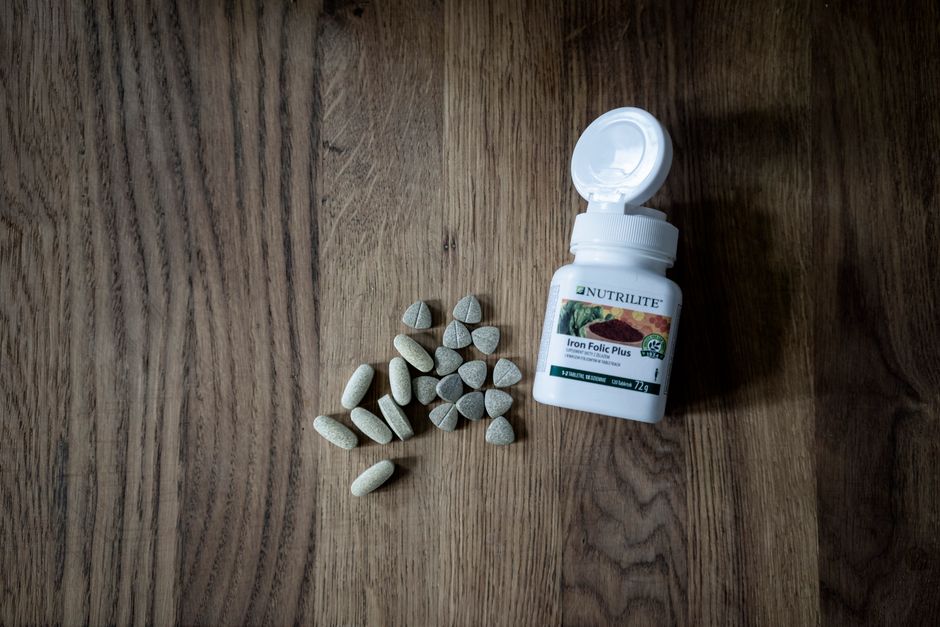
Supplements are needed when diet alone cannot correct the deficiency — which is often the case once iron stores are seriously depleted. Rebuilding stores through food takes a long time, and some people cannot absorb enough iron from food regardless of how well they eat.
The most common form is ferrous sulfate, though ferrous gluconate and ferrous fumarate are also used. Each contains a different amount of elemental iron, so they are not interchangeable milligram for milligram. Your doctor will choose based on your level of deficiency and how well you tolerate it.
Important things to know about iron supplements:
- Take them on an empty stomach if you can tolerate it — absorption is better. If nausea is a problem, take with a small amount of food.
- Vitamin C helps supplement absorption too. Orange juice is a common choice.
- Do not take iron with calcium supplements, antacids, or thyroid medication. Space them apart.
- Constipation, dark stools, and nausea are common side effects. Dark stools from iron are expected and not a sign of bleeding.
- Keep iron supplements out of reach of children. Iron overdose is a serious medical emergency in young children.
Never start high-dose iron on your own. Taking iron when you do not need it can cause harm, and it can mask the real reason your levels are low. A doctor should confirm the deficiency with blood tests first.
Can Iron Levels Be Raised Too Slowly With Diet Alone?
Yes, and this is a common frustration. Food-based strategies are excellent for prevention and for mild shortages, but they have real limits.
A typical iron-rich meal might provide 3–6 mg of iron. If you are a menstruating woman who needs 18 mg per day and you are already deficient, food alone may not close the gap quickly. Add poor absorption, and the math gets harder.
Doctors often use a combination approach: iron-rich diet plus supplements for a period of months, then a recheck. It can take several months of consistent supplementation to fully rebuild iron stores, even after hemoglobin levels return to normal. This is because hemoglobin recovers first, while stored iron (measured by ferritin) lags behind.
If your levels are not rising after months of treatment, that is a signal to look harder for the underlying cause — not to simply take more iron.
What About IV Iron and Medical Treatment?
For some people, pills are not enough or not an option. Intravenous (IV) iron delivers iron directly into the bloodstream and is used when:
- Oral iron is not absorbed well due to a gut condition
- Oral iron causes intolerable side effects
- The deficiency is severe and needs faster correction
- Ongoing blood loss cannot be controlled through other means
IV iron is given in a clinical setting under medical supervision. It is not a first-line treatment for most people, but it is well established for specific situations. Blood transfusions are reserved for severe, symptomatic anemia where rapid correction is needed.
The most important step in any treatment plan is finding and addressing the cause of the deficiency. If heavy periods are the source, treating the bleeding matters as much as replacing the iron. If a bleeding ulcer is found, that needs direct treatment. Iron replacement without addressing the cause often leads to the problem returning.
What Symptoms Suggest You Should See a Doctor?
Iron deficiency can develop slowly, and symptoms are easy to dismiss as stress or being busy. Signs worth a doctor’s visit include:
- Persistent fatigue that does not improve with rest
- Shortness of breath with normal activity
- Pale skin, especially around the gums and lower eyelids
- Cold hands and feet
- Brittle nails or hair loss
- Unusual cravings for ice, dirt, or starch (a condition called pica)
- Dizziness or lightheadedness
- Fast heartbeat
Do not wait for symptoms to become severe. A simple blood test — usually a complete blood count plus ferritin — can confirm whether iron is the issue. Ferritin is the most sensitive marker of iron stores, though it can be falsely elevated during inflammation or infection, which is why doctors interpret it alongside other tests.
Self-diagnosing and self-treating with supplements is risky. Low iron and low energy can have many causes, and the wrong treatment delays the right one.
Frequently Asked Questions
How long does it take to raise iron levels?
Hemoglobin typically starts improving within a few weeks of treatment, but fully rebuilding iron stores can take several months. Your doctor will usually recheck your levels to confirm progress.
What drink helps iron absorb faster?
Orange juice and other vitamin C-rich drinks boost iron absorption, especially from plant sources. Coffee and tea do the opposite, so keep them at least an hour away from iron-rich meals.
Can I raise my iron levels without supplements?
Yes, if your deficiency is mild and caused by diet alone. Eating heme iron sources, pairing plant iron with vitamin C, and avoiding absorption blockers can help — but significant deficiencies usually need supplements or medical treatment.
What is the fastest way to increase iron levels?
For severe deficiency, IV iron or a prescribed supplement raises levels faster than food. The fastest safe route depends on your test results, so this should be decided by a doctor.
