

Your body contains roughly 3 to 4 grams of iron. That’s about the weight of a small paperclip. Almost all of it is recycled, not lost.
That tiny amount does enormous work. Iron sits at the center of hemoglobin, the protein in red blood cells that carries oxygen from your lungs to every tissue. Without enough iron, that delivery system slows down, and you feel it.
Most of your iron isn’t floating freely. It’s bound to proteins that store it, transport it, or put it to work. Understanding where it lives and how it moves explains a lot about why iron deficiency is so common and why iron overload can be dangerous.
Where Is Iron Stored in the Body?
About two-thirds of your body’s iron is in hemoglobin inside red blood cells. The rest is distributed among several storage and transport systems.
Here’s how the 3 to 4 grams typically breaks down:
- Hemoglobin — roughly 65 to 70 percent of total body iron. This is the oxygen-carrying iron in your red blood cells.
- Ferritin and hemosiderin — about 25 to 30 percent. These are storage proteins found mainly in the liver, bone marrow, and spleen. Ferritin is the primary storage form.
- Myoglobin — about 10 percent. This iron-containing protein stores oxygen in muscle tissue.
- Enzymes and transport — a small fraction. Iron is part of many enzymes involved in energy production, DNA synthesis, and immune function. Transferrin is the protein that carries iron through the bloodstream.
The liver is the main warehouse. It holds the largest reserve of stored iron and releases it when the body needs more. Bone marrow also holds iron, but it uses it quickly to build new red blood cells.
Men typically have higher total body iron than women before menopause. That’s largely because menstrual blood loss reduces iron stores in women of reproductive age. After menopause, women’s iron levels gradually rise to approach those of men.
How Much Iron Do You Lose Each Day?
Your body loses only about 1 to 2 milligrams of iron per day through normal processes. That’s a tiny amount compared to the 3 to 4 grams stored inside you.
Where does that daily loss come from?
- Shedding of skin cells
- Shedding of cells lining the gastrointestinal tract
- Small amounts in urine and sweat
- Menstrual blood loss in women of reproductive age, which adds significantly to the daily loss
The body has no active mechanism to excrete excess iron. This is a key point. Unlike sodium or calcium, where the kidneys can adjust how much leaves the body, iron loss is largely passive and unregulated. That means your body controls iron balance almost entirely by adjusting how much it absorbs from food.
When stores are low, absorption increases. When stores are full, absorption decreases. This regulation happens mainly in the small intestine. It’s an elegant system, but it has limits. If you take in far more iron than you need, especially from supplements or repeated blood transfusions, the body can’t get rid of the excess fast enough.
How Does the Body Absorb Iron From Food?
Iron absorption happens in the small intestine, primarily the duodenum. But not all iron is absorbed equally.
There are two forms of dietary iron:
- Heme iron — found in animal foods like red meat, poultry, and fish. It’s absorbed more efficiently, at rates around 15 to 35 percent.
- Non-heme iron — found in plant foods like beans, spinach, and fortified cereals. It’s absorbed less efficiently, at rates around 2 to 20 percent.
Several factors affect how much non-heme iron you absorb. Vitamin C boosts absorption. So does eating meat alongside plant iron sources. On the other hand, compounds called phytates (found in grains and legumes), polyphenols (in tea and coffee), and calcium can reduce absorption.
The body adjusts absorption based on need. If your ferritin levels are low, you’ll absorb more iron from the same meal than someone with full stores. This is why treating iron deficiency often requires both dietary changes and, in many cases, iron supplements.
Some clinicians recommend taking iron supplements on an empty stomach for better absorption. But that can cause nausea or stomach upset for many people. Taking iron with food reduces absorption somewhat but improves tolerance. The best approach depends on the severity of deficiency and how well you tolerate the supplement.




What Is a Normal Iron Level?
Normal iron levels vary depending on which marker you’re measuring. Several blood tests together give a full picture of iron status.
| Test | What It Measures | Typical Normal Range |
|---|---|---|
| Serum ferritin | Iron stored in tissues | About 15–200 ng/mL for women, 30–300 ng/mL for men |
| Serum iron | Iron circulating in blood | About 60–170 mcg/dL |
| Hemoglobin | Oxygen-carrying capacity | About 12–15 g/dL for women, 13–17 g/dL for men |
| Transferrin saturation | How much transferrin is carrying iron | About 20–50 percent |
Ferritin is the most useful single test for assessing iron stores. A low ferritin almost always means iron deficiency, even if hemoglobin is still normal. This stage is called iron deficiency without anemia, and it can cause fatigue, brain fog, and reduced exercise tolerance before anemia develops.
Ferritin is also an acute phase reactant, meaning it rises during inflammation or infection. So a normal ferritin doesn’t always rule out deficiency if inflammation is present. Doctors sometimes order a CRP test alongside ferritin to account for this.
Hemoglobin alone is not enough to assess iron status. By the time hemoglobin drops, iron stores have usually been depleted for a while.
Why Does Iron Deficiency Happen?
Iron deficiency is the most common nutritional deficiency worldwide. It happens when iron losses exceed iron intake, or when the body can’t absorb enough iron from food.
Common causes include:
- Blood loss from heavy menstrual periods
- Gastrointestinal bleeding from ulcers, polyps, or colorectal cancer
- Pregnancy, which increases iron demand substantially
- Poor dietary intake or absorption problems like celiac disease
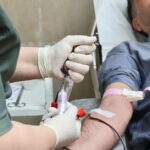
- Frequent blood donation
- Certain medications that reduce stomach acid, which can impair iron absorption
In men and postmenopausal women, iron deficiency is less common and should prompt a search for a source of bleeding, especially in the gastrointestinal tract. This is one of the few situations where iron deficiency can be a sign of something more serious.
Symptoms of iron deficiency include fatigue, pale skin, shortness of breath with exertion, cold hands and feet, brittle nails, and unusual cravings for non-food items like ice or dirt (a condition called pica). Restless legs syndrome has also been linked to low iron stores in the brain.
Can You Have Too Much Iron?
Yes. Iron overload is less common than deficiency but can cause serious organ damage if untreated.
The most well-known form is hereditary hemochromatosis, a genetic condition where the body absorbs too much iron from food. Over years, excess iron accumulates in the liver, heart, pancreas, and joints. This can lead to cirrhosis, heart failure, diabetes, and arthritis.
Other causes of iron overload include repeated blood transfusions (common in certain blood disorders like thalassemia), excessive iron supplementation, and some liver diseases.
Symptoms of iron overload are often vague at first — fatigue, joint pain, abdominal pain. Because they develop slowly, the condition may go unnoticed for years. Blood tests showing elevated ferritin and transferrin saturation are usually the first clue.
Treatment typically involves regular blood removal (phlebotomy) to reduce iron stores. Some patients also use chelation therapy, which uses medications to bind and remove excess iron.
Taking high-dose iron supplements when you don’t need them is not harmless. Iron supplements are a leading cause of poisoning in young children. Keep them out of reach and only take them under medical guidance.
How Does the Body Recycle Iron?
Your body is remarkably efficient at holding onto iron. Most of the iron used each day comes from recycling old red blood cells, not from food.
Red blood cells live about 120 days. When they reach the end of their life, they’re broken down by macrophages in the spleen, liver, and bone marrow. The iron is extracted and either stored as ferritin or sent back to the bone marrow to make new red blood cells.
This recycling system supplies the vast majority of the iron your bone marrow needs each day. Only a small fraction comes from dietary absorption to replace daily losses.
This is why even a modest increase in iron loss — like from heavy periods or gastrointestinal bleeding — can eventually deplete stores if intake doesn’t keep up. The recycling loop is efficient, but it can’t compensate for ongoing blood loss.
How Much Iron Do You Need From Food?
The recommended daily intake varies by age, sex, and life stage. These values are set by the Institute of Medicine (now the National Academy of Medicine) and are widely used in US dietary guidelines.
- Adult men (19+): 8 mg per day
- Adult women (19–50): 18 mg per day
- Adult women (51+): 8 mg per day
- Pregnant women: 27 mg per day
These recommendations account for the fact that only a portion of dietary iron is absorbed. People with iron deficiency often need more than these amounts, sometimes from supplements.
Good dietary sources include red meat, poultry, seafood, beans, lentils, spinach, fortified cereals, and dried fruit. Pairing plant iron sources with vitamin C-rich foods can improve absorption.
For vegetarians and vegans, the recommended intake is often about 1.8 times higher than for meat-eaters, because non-heme iron is absorbed less efficiently. This is a general guideline, not a fixed rule.
Frequently Asked Questions
How much iron is in the human body in grams?
The average adult body contains about 3 to 4 grams of iron. Most of it is in hemoglobin inside red blood cells.
What is a dangerously low iron level?
There is no single cutoff, but ferritin below 15 ng/mL generally indicates depleted iron stores. Hemoglobin below the normal range for your sex suggests iron deficiency anemia and should be evaluated by a doctor.
Does the body lose iron every day?
Yes, about 1 to 2 milligrams per day through skin, gut, and urine. Menstrual blood loss adds to this in women of reproductive age.
Can you get too much iron from food alone?
It’s rare for food alone to cause iron overload in healthy people. Hereditary hemochromatosis and repeated transfusions are more common causes.
