
Fatty foods are foods that contain high amounts of fat, which is one of the three main macronutrients your body needs to function. Fats provide energy, help absorb certain vitamins, and support cell growth. The term covers everything from naturally fatty foods like avocados and nuts to processed items like fried foods and pastries.
What Are Fatty Foods and How Do They Differ From Each Other?
Not all fatty foods are the same. The difference comes down to the type of fat present. There are four main categories. Saturated fats are solid at room temperature and found in butter, red meat, and cheese. Unsaturated fats are liquid at room temperature and come from plants and fish. Trans fats are artificially created and found in many processed foods. Dietary cholesterol is a waxy substance found in animal products.
The health effects depend heavily on which type you eat. Research published in the Journal of the American College of Cardiology found that replacing saturated fat with unsaturated fat lowers heart disease risk. But replacing saturated fat with refined carbohydrates does not help. The source of the fat matters just as much as the amount.
What Does the Research on Fatty Foods Actually Show?
The science on dietary fat has shifted over the last 20 years. For decades, fat was blamed for heart disease and obesity. The Nurses’ Health Study, a long-running study from Harvard, showed that total fat intake was not strongly linked to heart disease. The type of fat was what mattered.
A major review in the Cochrane Database of Systematic Reviews found that reducing saturated fat intake lowers cardiovascular events by about 17 percent. But this effect happened when people replaced saturated fat with polyunsaturated fat, not with sugar or refined grains. The PURE study, published in The Lancet, followed 135,000 people across 18 countries. It found that high carbohydrate intake was linked to higher mortality, while higher fat intake was linked to lower mortality. This challenged the idea that all fat is bad.
Some studies suggest that full-fat dairy may be neutral or even protective against heart disease. The evidence is not strong enough to say for certain. But it is enough to question the old advice to avoid all saturated fat.
How Many Fatty Foods Should You Actually Eat?
The Dietary Guidelines for Americans recommend that 20 to 35 percent of your daily calories come from fat. For someone eating 2,000 calories a day, that is 44 to 78 grams of fat. Saturated fat should be less than 10 percent of total calories.
These numbers are general guidelines. Individual needs vary. People with certain medical conditions may need to adjust their fat intake. The American Heart Association recommends limiting saturated fat to 5 to 6 percent of daily calories for those with high cholesterol.
What matters more than the exact number is the food source. Getting fat from whole foods like nuts, seeds, fish, and olive oil is different from getting it from processed snacks and fried foods. The food matrix matters. Nutrients do not act the same in isolation as they do in whole foods.





What Are the Best Sources of Fatty Foods?
The healthiest fatty foods come from whole, minimally processed sources. Here is a comparison of common fatty foods and their fat profiles:
| Food | Primary Fat Type | Key Nutrients |
|---|---|---|
| Avocado | Monounsaturated | Fiber, potassium, vitamin K |
| Almonds | Monounsaturated | Vitamin E, magnesium, fiber |
| Salmon | Polyunsaturated (omega-3) | Vitamin D, selenium, protein |
| Olive oil | Monounsaturated | Vitamin E, polyphenols |
| Eggs | Saturated and unsaturated | Choline, vitamin B12, protein |
| Dark chocolate | Saturated | Iron, magnesium, antioxidants |
These foods provide fat along with other beneficial compounds. A handful of walnuts gives you omega-3s and fiber. A serving of salmon provides protein and vitamin D. The fat in these foods helps your body absorb fat-soluble vitamins A, D, E, and K from other foods you eat at the same meal.
What Are the Common Misconceptions About Fatty Foods?
One common myth is that eating fat makes you fat. This is not accurate. Weight gain happens when you eat more calories than you burn, regardless of where those calories come from. Studies have shown that low-fat diets are no better for weight loss than moderate-fat diets. The quality of the diet matters more than the fat content.
Another myth is that all saturated fat is dangerous. The evidence is more mixed. A 2020 review in the Journal of the American College of Cardiology found that the link between saturated fat and heart disease depends on what you replace it with. Replacing saturated fat with whole grains or unsaturated fats lowers risk. Replacing it with refined carbohydrates or sugar does not.
Some people believe that egg yolks are bad because of their cholesterol content. The USDA Dietary Guidelines dropped the cholesterol limit in 2015 because dietary cholesterol has a small effect on blood cholesterol for most people. Eggs are a nutrient-dense food that can be part of a healthy diet.
What Are the Signs You Might Be Eating Too Many Fatty Foods?
Eating too much fat, especially from processed sources, can lead to digestive discomfort. Greasy or fried foods can cause bloating, nausea, or diarrhea. This is because high fat meals slow stomach emptying and can overwhelm the digestive system.
Long-term overconsumption of unhealthy fatty foods is linked to weight gain, high cholesterol, and increased risk of heart disease. The CDC reports that about 40 percent of American adults have high cholesterol. Much of this is linked to diet, though genetics also play a role.
Signs that your fat intake may be unbalanced include persistent heartburn after meals, unexplained weight gain, and low energy levels. If you feel sluggish after eating, the meal may have been too high in processed fats and too low in fiber and protein.
What to Avoid When Choosing Fatty Foods
Artificial trans fats are the only type of fat with clear evidence of harm. They are created by adding hydrogen to vegetable oil to make it solid at room temperature. The FDA banned partially hydrogenated oils in 2018, but small amounts can still be found in some processed foods like microwave popcorn, frozen pizza, and coffee creamers.
Fried foods from restaurants and fast food chains are often cooked in oils that are reused at high temperatures. This creates harmful compounds. The type of oil used also matters. Many restaurants use vegetable oils high in omega-6 fatty acids, which can promote inflammation when eaten in excess.
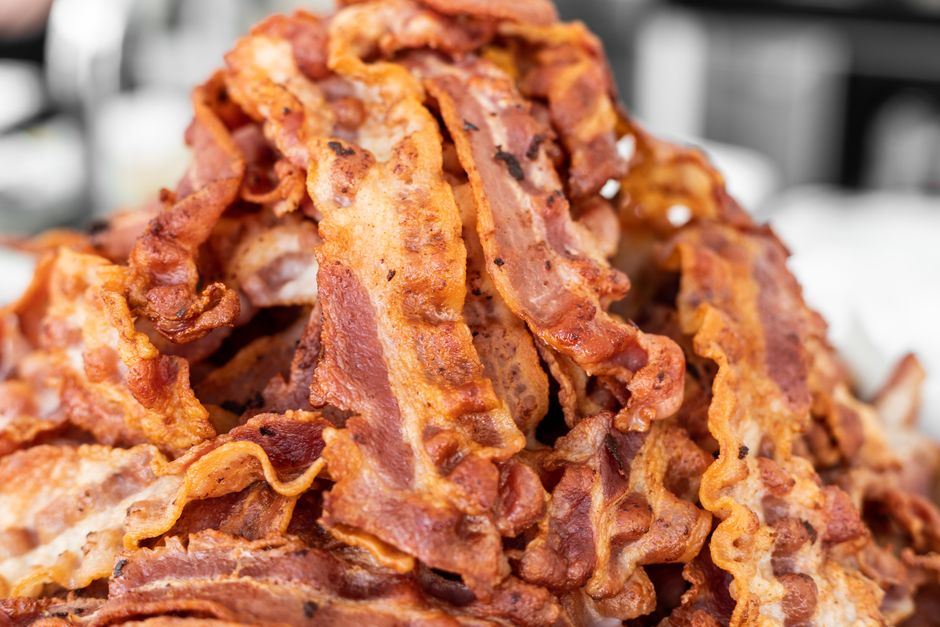
Processed meats like bacon, sausage, and salami are high in saturated fat and sodium. The World Health Organization classifies processed meat as a Group 1 carcinogen. This does not mean you can never eat it. It means regular consumption increases cancer risk. Treat them as occasional foods, not daily staples.
Frequently Asked Questions
Are all fatty foods bad for you?
No. Fatty foods like avocados, nuts, and fish provide essential nutrients and support heart health. The type of fat matters more than the total amount.
What is the difference between saturated and unsaturated fat?
Saturated fat is solid at room temperature and found mainly in animal products. Unsaturated fat is liquid at room temperature and comes from plants and fish.
How much fat should I eat per day?
The Dietary Guidelines recommend 20 to 35 percent of daily calories from fat. That is about 44 to 78 grams for a 2,000 calorie diet.
Do fatty foods cause weight gain?
Weight gain comes from eating more calories than you burn, not from fat itself. Fatty foods are calorie-dense, so portion size matters.
