
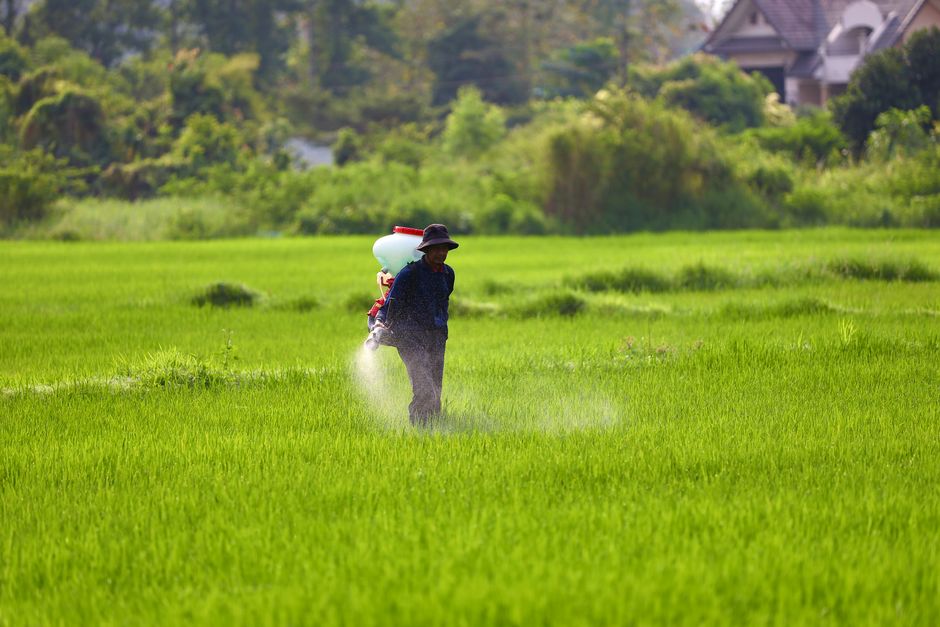
High nitrogen fertilizer is any fertilizer product that delivers nitrogen as its primary or most abundant nutrient, usually labeled with the highest number in the three-number NPK ratio on the package. It is used to feed crops and plants that need nitrogen most during rapid growth — mainly leafy greens, corn, and established lawns — by applying it at the right rate, at the right time, and in a form the soil and plant roots can actually use.
That definition matters more than it sounds. Nitrogen is the nutrient plants need in the largest quantity, and it is also the one most easily lost from soil through leaching, volatilization, and runoff. How you choose and apply a high nitrogen product determines whether the nitrogen reaches the plant or ends up in groundwater and waterways.
What Is High Nitrogen Fertilizer And How To Use It?
A high nitrogen fertilizer is a product where nitrogen dominates the nutrient analysis. Fertilizer labels carry three numbers representing the percentage by weight of nitrogen (N), phosphorus (P), and potassium (K), always in that order. A 30-0-0 or 21-0-0 product is almost entirely nitrogen. A 10-10-10 is balanced and is not considered high nitrogen.
Nitrogen forms differ in important ways. The two main categories are quick-release and slow-release.
- Quick-release forms include urea, ammonium nitrate, ammonium sulfate, and nitrate-based products. They dissolve fast and are immediately available to plants, but they can burn foliage or roots if overapplied and are easily lost to the environment.
- Slow-release forms include urea-formaldehyde, sulfur-coated urea, and polymer-coated urea. They release nitrogen gradually over weeks or months, which lowers the risk of burn and leaching but costs more per unit of nitrogen.
Using a high nitrogen fertilizer correctly comes down to four decisions: rate, timing, placement, and form. Apply at the rate stated on the label for your specific crop and soil type — do not guess. Time applications to periods of active growth, not dormancy. Place the product where roots can reach it but not directly against the seed or crown. Choose a slow-release form when you want a longer, gentler supply and a quick-release form when you need a fast response.
One point that surprises many home gardeners: more nitrogen is not better. Excess nitrogen pushes leafy growth at the expense of flowers, fruit, and root development. It also makes plants more attractive to some insect pests and more susceptible to certain diseases. The goal is adequacy, not maximum.
What Do The Numbers On A Fertilizer Bag Actually Mean?
The three numbers on a fertilizer label are the guaranteed analysis, expressed as percentages of total nitrogen, available phosphate, and soluble potash by weight. A 50-pound bag of 30-0-0 contains 15 pounds of actual nitrogen.
This is where many people make mistakes. The number is not the amount of product to apply — it is the concentration. To figure out how much actual nitrogen you are applying, multiply the bag weight by the first number as a decimal.
Phosphorus and potassium are expressed in their oxide forms (P₂O₅ and K₂O) on labels, a convention that dates back to early fertilizer regulation. This is a labeling standard, not a chemical description of what is in the bag. It matters when you are calculating precise nutrient budgets, but for most home use the practical takeaway is simply that the first number is nitrogen and it is a percentage.
Which Plants Actually Need High Nitrogen Fertilizer?
Plants that are grown for their leaves and stems respond most to nitrogen. This includes leafy vegetables like lettuce, spinach, kale, and cabbage, plus corn, which has a high nitrogen demand during its rapid vegetative growth phase. Established turfgrass also benefits from nitrogen, which is why most lawn fertilizers are high in the first number.
Plants grown for flowers, fruit, or roots generally need less nitrogen relative to phosphorus and potassium. Tomatoes, peppers, and flowering shrubs often perform worse with excess nitrogen — you get a big leafy plant with few flowers. Root crops like carrots, beets, and potatoes can develop excessive top growth at the expense of the root you actually want to harvest.
Legumes are a special case. Beans, peas, clover, and other legumes form partnerships with nitrogen-fixing bacteria in root nodules and can obtain much of their nitrogen from the air. They usually need little or no nitrogen fertilizer, and adding it can actually suppress the nitrogen-fixing process.



How Do You Apply High Nitrogen Fertilizer Without Damaging Plants?
The most common mistake is applying too much at once. Quick-release nitrogen in high concentrations draws water out of plant tissue through osmosis, causing fertilizer burn — brown, scorched leaf edges and dead roots. This is why label rates exist and why they should not be exceeded.
For granular products, broadcasting evenly across the soil surface and then watering it in is standard practice. Watering moves the nitrogen into the root zone and reduces the amount lost to the air as ammonia gas. For urea specifically, this is important: urea left on the surface can lose a meaningful share of its nitrogen to volatilization, especially in warm, dry, or high-pH conditions.
For liquid fertilizers, dilution matters. Mix according to the label and apply to soil or foliage as directed. Foliar feeding can give a fast response but risks leaf burn if the concentration is too high.
Timing follows plant growth. Apply when plants are actively growing and can take up the nitrogen. Fall and winter applications to dormant plants waste product and increase the odds of leaching. Splitting a season’s total into two or three smaller applications generally works better than one large dose, both for the plant and for the environment.
What Are The Environmental And Safety Concerns?
Nitrogen that plants do not take up does not disappear. It converts to nitrate, which is highly mobile in soil and can leach into groundwater. It can also run off into streams and lakes, where excess nitrogen feeds algal blooms. When those blooms die and decompose, the resulting oxygen depletion can harm fish and other aquatic life.
Nitrate in drinking water is a regulated concern. In the United States, the EPA drinking water standard for nitrate is 10 mg/L measured as nitrogen. This limit exists largely because of a condition in infants called methemoglobinemia, in which nitrate interferes with the blood’s ability to carry oxygen. Infants under six months are the group most at risk, which is why well water used for infant formula should be tested for nitrate.
Nitrous oxide, a potent greenhouse gas, is also released from nitrogen fertilizers through soil microbial activity. This is one reason agricultural researchers focus on matching nitrogen applications more precisely to crop need.
Handling safety matters too. Fertilizer products can irritate skin and eyes, and some formulations are more caustic than others. Store them out of reach of children and pets, keep them dry, and follow the label’s personal protection instructions. Never mix fertilizer with anything not specified on the label.
How Is High Nitrogen Fertilizer Different From Organic Sources?
Organic nitrogen sources — compost, manure, blood meal, feather meal, and similar materials — also supply nitrogen, but they release it as soil microbes break them down. That makes the nitrogen available more slowly and generally reduces the risk of burn and leaching compared to quick-release synthetic forms.
The trade-off is unpredictability. The nitrogen content of manure and compost varies widely depending on the source and how it was handled, so you cannot calculate an exact application rate the way you can with a bag of 30-0-0. Organic sources also tend to have lower nitrogen concentrations, meaning you need more material to deliver the same amount of nitrogen.
Neither category is inherently better. What matters is matching the source to the situation. For a fast correction of a nitrogen deficiency in a growing crop, a quick-release synthetic product may be appropriate. For building long-term soil fertility in a garden, organic amendments often fit better. Many growers use both.
Frequently Asked Questions
What is a high nitrogen fertilizer?
It is a fertilizer where nitrogen is the dominant nutrient, shown as the highest of the three NPK numbers on the label. Products like 30-0-0 or 21-0-0 are almost entirely nitrogen.
Can too much nitrogen fertilizer kill plants?
Yes. Excess quick-release nitrogen can cause fertilizer burn, which damages roots and scorches leaf edges. It can also push excessive leaf growth at the expense of flowers, fruit, and roots.
Do tomatoes need high nitrogen fertilizer?
No. Tomatoes generally need less nitrogen relative to phosphorus and potassium, and too much nitrogen produces large leafy plants with few fruit. A balanced fertilizer usually suits them better.
Is nitrate in drinking water from fertilizer a real health concern?
Yes. The EPA drinking water limit for nitrate is 10 mg/L as nitrogen, set mainly to protect infants from methemoglobinemia. Private wells should be tested, since they are not covered by public water treatment.
