
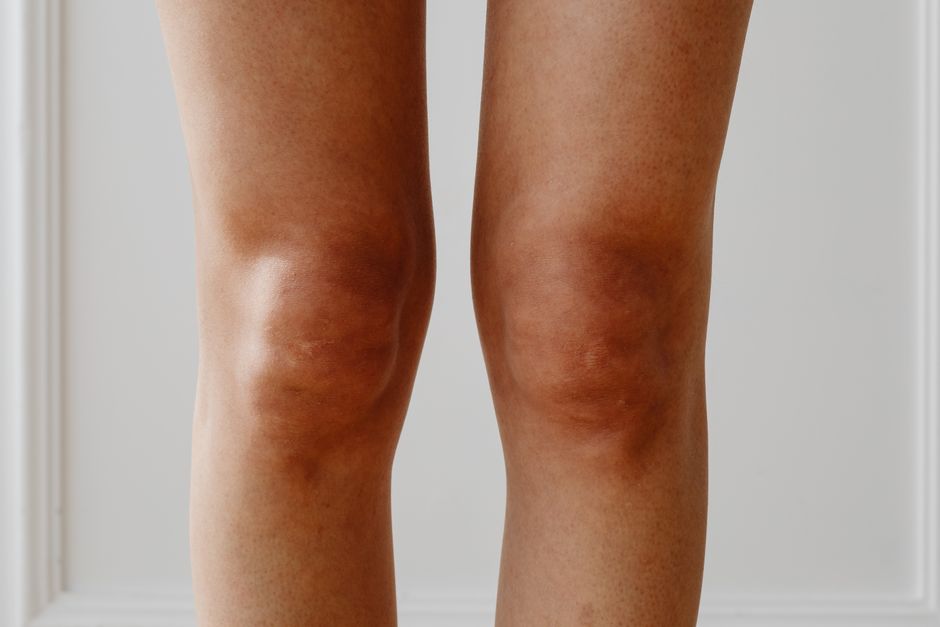
Patella alta means your kneecap sits higher than normal in relation to the thigh bone. A high riding kneecap changes how the joint tracks, which can lead to pain, instability, and cartilage wear over time. The position is often present from birth, but it can also develop after injury or surgery.
What Does A High Riding Kneecap Actually Mean?
The kneecap normally sits in a groove at the end of the thigh bone called the trochlear groove. This groove guides the kneecap as your knee bends and straightens. In patella alta, the kneecap rests above this groove more than it should. It rides higher on the bone, which means less of the kneecap makes contact with the groove during movement.
Think of a train track. The kneecap is the train and the groove is the track. When the train sits above the track, it wobbles more. The same happens with your kneecap. This reduced contact changes how forces spread across the joint.
Doctors measure this position on X-rays using ratios like the Insall-Salvati index or the Blackburne-Peel index. These measurements compare the length of the kneecap to the length of the patellar tendon. A ratio above the normal range indicates patella alta. The exact numbers vary slightly depending on which measurement method is used.
What Causes Patella Alta And A High Riding Kneecap?
The causes fall into two main groups: structural differences you are born with and changes that happen later in life. Both result in the same problem — a kneecap positioned too high on the thigh bone.
Some people simply have a naturally longer patellar tendon. This tendon connects the kneecap to the shin bone. When it is longer than average, it pulls the kneecap upward into a higher position. This is a structural variation, not a disease. Many people with this anatomy never develop symptoms.
Other structural factors include a shallow trochlear groove. If the groove is not deep enough, the kneecap has less bony support to keep it in place. This can make the kneecap sit higher and move less predictably during knee bending.
Acquired causes are different. These happen after an event that changes the joint mechanics. A torn patellar tendon is one example. When this tendon tears, the kneecap loses its anchor to the shin bone and can move upward. Surgical repair of this tendon can also leave the kneecap slightly higher than before if the tendon heals with increased length.
Knee replacement surgery is another potential cause. Some surgical techniques or implant positions can alter the height of the kneecap relative to the joint line. This is called pseudo-patella alta because the kneecap itself has not moved — the joint line has shifted upward or downward instead.
What Problems Does Patella Alta Cause?
Not everyone with patella alta has symptoms. Some people live their whole lives with a high riding kneecap and never know it. But when symptoms do appear, they typically involve the front of the knee.
Pain with squatting, climbing stairs, or sitting with the knee bent for long periods is common. The kneecap pressing against the thigh bone in an abnormal position creates friction. Over time, this friction can irritate the cartilage on the back of the kneecap.
Instability is another concern. A kneecap that sits high has less bony containment. It can shift sideways more easily. Some people feel their kneecap is about to slip out of place. In more severe cases, the kneecap can fully dislocate. This is more common in younger people with patella alta, particularly those who also have general joint laxity.
Cartilage damage is the longer-term risk. The kneecap cartilage is thickest where it normally contacts the groove. When the kneecap rides high, contact shifts to areas not designed for heavy load. Research has linked patella alta to cartilage wear on the lower part of the kneecap. This can progress to patellofemoral arthritis over many years.




How Is Patella Alta Diagnosed?
Diagnosis starts with a physical exam. Your doctor will ask about your symptoms and what makes them worse. They will check your knee range of motion, look for swelling, and test the stability of your kneecap.
Imaging confirms the diagnosis. A standard side-view X-ray of the knee is the primary tool. The doctor measures the position of the kneecap relative to the thigh bone and shin bone. MRI can provide additional detail about cartilage condition and the soft tissues around the knee.
It is worth noting that patella alta is a measurement finding, not a diagnosis on its own. The measurement matters most when it explains your specific symptoms. A high riding kneecap that causes no pain or instability may not require any treatment at all.
Can Patella Alta Be Treated Without Surgery?
Many cases respond well to non-surgical treatment. The goal is to improve how the kneecap tracks through the groove and to strengthen the muscles that control it.
Physical therapy is the foundation. The focus is on strengthening the quadriceps, particularly the inner portion of the muscle called the vastus medialis obliquus. This muscle helps pull the kneecap inward and keep it tracking properly. Strengthening the gluteal muscles also helps because better hip control improves knee alignment during movement.
Activity modification matters too. Reducing deep squatting, high-impact jumping, and prolonged kneeling can ease symptoms. This does not mean stopping all activity. It means finding movement patterns that do not aggravate the joint.
Bracing is sometimes used. A patellar sleeve or strap can provide external support and improve proprioception — your sense of where the joint is in space. Evidence for bracing is limited, and some clinicians find it helpful mainly as a temporary measure during rehabilitation.
The evidence for non-surgical treatment is strongest for pain and functional improvement. It does not change the actual height of the kneecap. It works by improving the mechanics around the joint so the high position causes fewer problems.
When Is Surgery Considered?
Surgery is reserved for cases where non-surgical treatment fails and symptoms remain significant. The two main reasons for surgery are persistent instability or pain that limits daily function.
Several surgical options exist. A tibial tubercle osteotomy involves moving the spot where the patellar tendon attaches to the shin bone. This repositioning effectively lowers the kneecap into a more normal position. It is a major procedure that requires several months of recovery.
Medial patellofemoral ligament reconstruction is another option, mainly for recurrent dislocation. This surgery rebuilds the ligament that helps hold the kneecap in place. It does not directly lower the kneecap, but it improves stability.
Surgeons sometimes combine procedures. The right approach depends on your specific anatomy, the severity of symptoms, and your activity goals. Recovery timelines vary by procedure and individual factors.
No surgical approach guarantees a return to pain-free activity. Outcomes are generally good, but complications and incomplete relief are possible. A thorough discussion with an orthopedic surgeon is essential before committing to surgery.
Does Patella Alta Always Get Worse?
No. Patella alta is a structural feature, not a progressive disease. The kneecap position itself does not continue to rise over time unless an injury or surgery changes it.
What can progress is the damage caused by the abnormal position. Cartilage wear can worsen over years if the joint is repeatedly loaded in a way it was not designed for. This is why early intervention matters — not to change the kneecap position, but to protect the joint from avoidable wear.
Some research suggests that people with patella alta who maintain good quadriceps strength and healthy body weight have fewer problems. Strong muscles help stabilize the joint. Lower body weight reduces the load across the knee during daily activities.
What Is The Difference Between Patella Alta And Normal Kneecap Position?
Normal kneecap position means the kneecap sits within the trochlear groove when the knee is bent. The patellar tendon length roughly matches the height of the kneecap itself. When you bend your knee, the kneecap engages the groove early and tracks smoothly.
In patella alta, the kneecap enters the groove later during bending. This delayed engagement means the kneecap is less stable in the early part of knee flexion. The joint contact area is also smaller, which concentrates force on a smaller region of cartilage.
This difference in timing and contact area explains why people with patella alta often feel pain when starting to bend their knee — like when going down stairs or standing up from a chair.
Can Children Outgrow Patella Alta?
The kneecap position can change as a child grows. The bones and soft tissues develop at different rates, and the relationship between the kneecap and the thigh bone can shift.
Some children with patella alta see improvement as their skeleton matures. Others maintain the high position into adulthood. There is no reliable way to predict which path a child will follow.
For children with recurrent kneecap dislocations and confirmed patella alta, early evaluation by an orthopedic specialist is wise. Surgical treatment is sometimes considered in adolescents who do not respond to therapy and continue to dislocate. The decision involves careful consideration of remaining growth and long-term outcomes.
Frequently Asked Questions
Is patella alta a disability?
Patella alta itself is not a disability. It can cause pain or instability that limits activity, but many people with this condition function normally without treatment.
Can patella alta be fixed without surgery?
Physical therapy can improve symptoms but cannot change the actual height of the kneecap. Surgery is the only option that directly repositions the kneecap.
Does patella alta always require surgery?
No. Most cases are managed successfully with physical therapy and activity modification. Surgery is reserved for persistent pain or recurrent instability that does not improve with conservative care.
What exercises should I avoid with patella alta?
Deep squats, lunges with the knee far forward, and high-impact jumping can aggravate symptoms. Working with a physical therapist to find safe alternatives is the best approach.
