
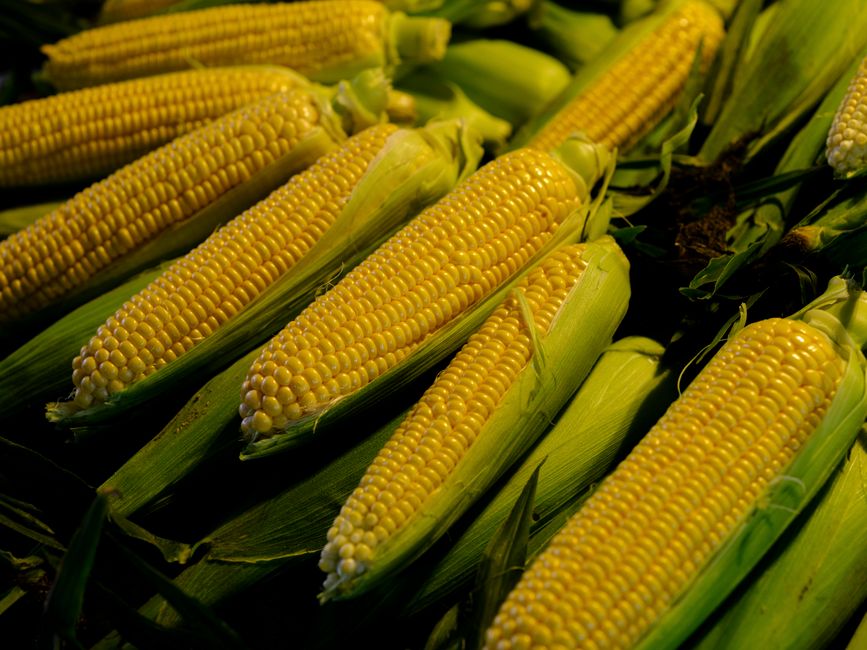
High fructose corn syrup (HFCS) is a liquid sweetener made from corn starch. It is chemically similar to table sugar, containing roughly equal parts of two simple sugars: glucose and fructose. Manufacturers use it to sweeten processed foods and beverages, primarily because it is inexpensive, blends easily, and helps maintain product consistency and shelf life.
What Is High Fructose Corn Syrup Made Of?
HFCS begins as corn starch, which is a long chain of glucose molecules. Enzymes break those chains down into individual glucose molecules, creating a syrup that is 100% glucose. Other enzymes then convert a portion of that glucose into fructose, which is a different type of sugar.
The most common form used in beverages is HFCS-55, which contains 55% fructose and 45% glucose. Food products such as breads, yogurts, and condiments typically use HFCS-42, which contains 42% fructose and 58% glucose. Both forms are very similar in composition to sucrose, or table sugar, which is 50% fructose and 50% glucose.
How Does High Fructose Corn Syrup Compare to Regular Sugar?
Your body processes HFCS and table sugar in nearly the same way. Both deliver glucose and fructose to the body, and both contain about four calories per gram. Once digested, the body cannot tell the difference between the fructose and glucose from HFCS and the fructose and glucose from sugar.
There is no significant nutritional difference between the two. The body breaks both down into the same basic components, leading to similar metabolic effects. The main differences are practical: HFCS is derived from corn, is usually cheaper to produce, and comes as a liquid, which makes it easy to blend into beverages and processed foods.
Because they are so similar, health experts do not consider HFCS inherently more harmful than regular sugar. The primary concern with both is the total amount of added sugar in a person’s diet.
Why Is High Fructose Corn Syrup Used So Often?
Food manufacturers began using HFCS widely in the 1970s and 1980s. The main reason was economic. Government subsidies made corn inexpensive, and technological advances made converting corn starch into syrup efficient. HFCS became a cheaper alternative to imported cane sugar.
HFCS also works well in production. It stays stable in acidic drinks like soda, resists crystallization, and blends easily with other ingredients. It helps create soft textures in baked goods and preserves moisture in foods like granola bars and breakfast cereals.
These practical benefits made HFCS a standard ingredient across the American food supply. It appears in sodas, fruit drinks, salad dressings, breads, sauces, and many other processed items.



What Does High Fructose Corn Syrup Do to Your Body?
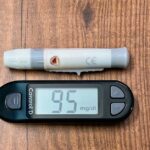
The liver is the main organ that processes fructose. Glucose can be used by nearly every cell in the body for energy, but fructose is metabolized primarily in the liver. When you consume small amounts of fructose, the liver handles it easily. When you consume large amounts, the liver converts the excess into fat.
Research consistently shows that high intake of added sugars, including HFCS, contributes to several health problems. These include weight gain, fatty liver disease, elevated triglycerides, and an increased risk of type 2 diabetes and heart disease.
The issue is not the source of the sugar, but the quantity. Many people consume far more added sugar than they realize, and beverages sweetened with HFCS are among the largest contributors. A single 12-ounce can of regular soda contains roughly 39 grams of added sugar, which is close to or above the entire daily limit recommended for most adults.
One key point: fructose in large amounts does not stimulate the same fullness signals as glucose. This means liquid calories from HFCS-sweetened drinks may not make you feel as satisfied as solid foods with the same calorie count, leading to higher overall calorie intake.
Does High Fructose Corn Syrup Cause Weight Gain?
Studies have found that excess calories from added sugars, including HFCS, promote weight gain. Some research suggests that fructose may specifically encourage fat storage around the abdomen and in the liver, although the evidence is mixed on whether fructose causes more weight gain than other sugars at equal calorie levels.
What is clear is that HFCS-sweetened beverages are associated with weight gain. These drinks deliver calories without protein, fiber, or meaningful nutrients. They also do not promote fullness well, so people often do not reduce their food intake to compensate for the calories they drink.
Evidence indicates that replacing sugary drinks with water or unsweetened beverages helps with weight management. This effect appears related to reducing total liquid calories rather than specifically removing HFCS.
Are There Health Risks Beyond Weight Gain?
High intake of fructose, regardless of whether it comes from HFCS or table sugar, is linked to several metabolic issues. The liver converts excess fructose into fat, which can accumulate in liver cells. Over time, this contributes to non-alcoholic fatty liver disease, a condition that has become increasingly common.
Regular consumption of sugary drinks is also associated with higher blood pressure and elevated triglyceride levels. These are risk factors for cardiovascular disease. Some studies indicate that fructose may promote uric acid production, which is linked to gout, though the clinical significance of this effect is still being studied.
None of these risks are unique to HFCS. The scientific consensus is that the health effects of HFCS and table sugar are similar because their composition is nearly identical. The problem is overall added sugar consumption.
How Much High Fructose Corn Syrup Is Safe to Consume?
Health organizations recommend limiting added sugar intake to less than 10% of total daily calories. For a person consuming 2,000 calories per day, that means no more than about 50 grams of added sugar, which is roughly 12 teaspoons.
To put that in perspective, one 12-ounce can of soda often contains 39 grams of added sugar. A single can uses up most of the daily allowance. Many processed foods also contain hidden added sugars, so total intake can add up quickly without obvious sources like soda.
No specific safe limit exists for HFCS alone because it is not metabolically distinct from other sugars. The practical guidance is the same as for all added sugars: consume them in moderation and prioritize whole foods.
Does High Fructose Corn Syrup Contain Genetically Modified Corn?
Most corn grown in the United States is genetically modified, and the majority of HFCS is produced from this corn. The genetic modifications in commercial corn are primarily designed to resist pests or tolerate herbicides, making the crop easier and cheaper to grow.
The safety of genetically modified foods is supported by major scientific organizations, and the FDA considers approved GM corn varieties safe for consumption. However, if you prefer to avoid genetically modified ingredients, you should look for products specifically labeled as organic or non-GMO, since HFCS derived from organic corn is available.
How Can You Identify High Fructose Corn Syrup in Foods?
Food manufacturers in the United States are required to list HFCS in the ingredients if it is present. Check the ingredient list rather than relying on front-of-package claims. HFCS may appear under names like “high fructose corn syrup,” “corn syrup,” or “fructose syrup.”
The Nutrition Facts label provides the most useful information. Look at “Added Sugars,” which is now required on food labels. This tells you the total amount of added sugar from all sources, including HFCS, without needing to identify each ingredient.
Common foods that contain HFCS include regular sodas, sweetened teas, fruit-flavored drinks, salad dressings, ketchup, barbecue sauce, breads, cereals, yogurt, and many frozen desserts. Choosing whole foods and cooking from scratch is the most reliable way to reduce HFCS and added sugar intake.
Frequently Asked Questions
Is high fructose corn syrup worse for you than regular sugar?
No. High fructose corn syrup and table sugar have nearly identical compositions and affect the body in similar ways. The health risk comes from consuming too much added sugar of any kind.
Does high fructose corn syrup cause diabetes?
High fructose corn syrup does not directly cause diabetes, but regular consumption of sugary foods and drinks is a major risk factor for type 2 diabetes. Excess added sugar contributes to weight gain and insulin resistance, which increase diabetes risk.
Why is high fructose corn syrup in so many foods?
Manufacturers use it because it is inexpensive, easy to blend into liquids, and helps maintain texture and shelf life. It became widely used in the 1980s as a cheaper alternative to cane sugar.
What is the daily limit for added sugar?
Health guidelines recommend keeping added sugar below 10% of daily calories, which is about 50 grams for a 2,000-calorie diet. A single can of soda often contains most of that limit.
