

High hemoglobin means your blood has more of the oxygen-carrying protein than is typical for someone your age and sex. It is not a disease itself but a lab finding that signals something else is going on in your body. For most adults, hemoglobin above 17.5 grams per deciliter in men or 15.5 g/dL in women counts as high. This matters because thick blood from too many red cells can strain your heart and raise your risk of clots.
What Is High Hemoglobin and How Is It Measured?
Hemoglobin is the protein inside your red blood cells that grabs oxygen in your lungs and drops it off in your tissues. A complete blood count (CBC) measures it directly. Labs report it as grams per deciliter of blood.
Normal ranges vary slightly by lab, but the general cutoff is 13.5 to 17.5 g/dL for men and 12.0 to 15.5 g/dL for women. Above those numbers is where doctors start paying attention. Children and older adults have different normal ranges, so age matters when interpreting results.
The test is simple blood draw. No fasting needed. Results come back within a day. If your hemoglobin is high, your doctor will usually repeat the test to confirm before investigating causes.
What Causes Hemoglobin Levels to Rise?
Two broad categories explain most cases. The first is your body compensating for low oxygen. The second is your bone marrow producing too many red cells for no good reason.
Living at high altitude is the most common natural cause. The air has less oxygen, so your kidneys release more erythropoietin (EPO), a hormone that tells bone marrow to make more red cells. People in Denver or Salt Lake City often have hemoglobin levels 1 to 2 g/dL higher than people at sea level. This is normal and not dangerous.
Smoking is another big one. Carbon monoxide from cigarette smoke binds to hemoglobin tighter than oxygen does. Your body thinks it is starving for oxygen and cranks up red cell production. Heavy smokers can have hemoglobin levels in the 16 to 18 g/dL range. The CDC reports that smoking causes about one in five deaths in the US, and high hemoglobin is one of its lesser-known effects.
Chronic lung diseases like COPD or sleep apnea also trigger the same low-oxygen response. So do certain heart conditions where blood does not get enough oxygen from the lungs.
Less commonly, the bone marrow itself goes into overdrive. This is a condition called polycythemia vera, a rare blood cancer where the marrow makes too many red cells regardless of oxygen levels. Research published in Blood journal estimates it affects about 44 to 57 people per 100,000. Unlike altitude-driven high hemoglobin, polycythemia vera often causes symptoms like itching after a warm bath, headache, and vision changes.
Dehydration can falsely elevate hemoglobin by shrinking your plasma volume. The actual number of red cells has not changed, but they are more concentrated. This is why doctors repeat the test — a single high reading from dehydration is not real high hemoglobin.
What Symptoms Does High Hemoglobin Cause?
Many people with mildly elevated hemoglobin have no symptoms at all. They find out from a routine blood test. When symptoms do appear, they come from blood being thicker than normal.
Common complaints include headache, dizziness, and feeling tired. Some people notice vision changes like double vision or seeing spots. The skin may look flushed, especially on the face, palms, and soles of the feet. This redness comes from blood vessels near the surface being full of extra red cells.
More concerning symptoms include chest pain, shortness of breath, and confusion. These signal that the heart is struggling to pump thick blood or that a clot has already formed. Studies have found that people with hemoglobin above 17.5 g/dL have roughly double the risk of deep vein thrombosis compared to people with normal levels.
Itching after a warm shower or bath is a classic symptom of polycythemia vera. The heat releases histamine from the extra red cells, causing intense itching that lasts 30 to 60 minutes. If this sounds familiar and your hemoglobin is high, mention it to your doctor.




How Is High Hemoglobin Diagnosed and Evaluated?
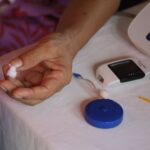
Diagnosis starts with a CBC showing elevated hemoglobin or hematocrit (the percentage of blood volume taken up by red cells). A hematocrit above 52% in men or 48% in women usually triggers further workup.
The next step is figuring out why. Your doctor will check your oxygen saturation with a pulse oximeter. Low oxygen points to a lung or heart problem. Normal oxygen points toward bone marrow overproduction or dehydration.
Blood tests for EPO levels help distinguish the cause. Low EPO with high hemoglobin suggests polycythemia vera. High EPO with high hemoglobin suggests your body is appropriately responding to low oxygen.
If polycythemia vera is suspected, doctors test for a mutation in the JAK2 gene. About 95% of people with polycythemia vera have this mutation. Research in the New England Journal of Medicine confirmed this as the primary diagnostic marker. A bone marrow biopsy is sometimes needed but not always.
| Cause | Oxygen Level | EPO Level | Key Feature |
|---|---|---|---|
| High altitude | Low | High | Residence above 8,000 feet |
| Smoking | Low | High | Carbon monoxide in blood |
| Lung disease | Low | High | Chronic cough or sleep apnea |
| Polycythemia vera | Normal | Low | JAK2 mutation present |
| Dehydration | Normal | Normal | Normal on repeat test |
What Treatments Are Available for High Hemoglobin?
Treatment depends entirely on the cause. There is no one-size-fits-all approach. The goal is to reduce stroke and clot risk, not just to lower a number on a lab report.
For secondary causes — the ones driven by low oxygen — fixing the underlying problem is the priority. Quitting smoking drops hemoglobin levels within weeks. The American Lung Association reports that carbon monoxide levels fall to normal within 12 hours of the last cigarette, and red cell mass starts normalizing within a month. Treating sleep apnea with CPAP also brings hemoglobin down over several months.
For polycythemia vera, the standard first treatment is phlebotomy — removing blood just like donating blood. The goal is to keep hematocrit below 45%. A landmark trial called the CYTO-PV study, published in the New England Journal of Medicine, found that keeping hematocrit below 45% reduced cardiovascular death by nearly 70% compared to allowing it to stay between 45% and 50%.
Low-dose aspirin is often added to reduce clot risk. For people who need more than phlebotomy alone, drugs like hydroxyurea or interferon help suppress bone marrow overproduction. These are not first-line treatments but are effective for more aggressive cases.
One thing to avoid: donating blood on your own without a doctor’s supervision. While phlebotomy is essentially a blood donation, doing it without medical guidance can drop your iron too low and cause different problems. Let your doctor manage the schedule.
What Should You Do If Your Hemoglobin Is High?
First, do not panic. A single high reading is often a fluke from dehydration or a lab error. Ask for a repeat test. If it comes back normal, you are fine.
If the repeat test confirms high hemoglobin, schedule an appointment with your primary care doctor. Bring a list of all medications and supplements you take. Testosterone therapy and anabolic steroids can raise hemoglobin, so mention those specifically. The FDA has issued warnings about testosterone therapy increasing red cell mass.
Lifestyle factors worth checking: do you smoke? Do you live at high altitude? Do you snore loudly or wake up gasping for air? These questions help narrow the cause before any expensive testing.
Do not try to lower your hemoglobin by drinking less water. That is the opposite of what you want. Staying well-hydrated keeps your blood from concentrating further. Drink when you are thirsty and stop when you are not.
If you are diagnosed with polycythemia vera, you will likely see a hematologist. This is a manageable condition with good outcomes when treated properly. The median survival for treated polycythemia vera is over 20 years according to research from the Mayo Clinic.
- Repeat the test before assuming anything — single high readings are often wrong
- Check your oxygen with a pulse oximeter to see if low oxygen is the cause
- Stop smoking if you do — it is the most reversible cause
- Ask about sleep apnea if you snore or wake up tired
- Mention all medications especially testosterone or EPO
- See a specialist if your hemoglobin stays above 17.5 g/dL without an obvious cause
Common Misconceptions About High Hemoglobin
A common myth is that high hemoglobin means you are healthy and full of energy. Some athletes even try to raise their hemoglobin artificially for better performance. This is dangerous. Thick blood strains the heart and increases stroke risk. The Tour de France has banned EPO use for decades because of the deaths it caused in cyclists.
Another misconception is that eating more iron will fix high hemoglobin. Iron is only one piece of the puzzle. Your body regulates iron absorption based on need. Taking extra iron when your hemoglobin is already high can overload your system and damage organs. Do not take iron supplements unless your doctor confirms you are low.
Some people believe that donating blood regularly is always safe for high hemoglobin. While phlebotomy is a treatment, doing it too often causes iron deficiency anemia — a different problem. The body needs iron to make new red cells. Removing blood too frequently depletes iron stores and leaves you fatigued in a whole new way.
Frequently Asked Questions
Can high hemoglobin go away on its own?
It depends on the cause. High hemoglobin from dehydration resolves when you rehydrate. High hemoglobin from smoking drops after you quit. Polycythemia vera does not go away on its own and requires ongoing treatment.
Is high hemoglobin the same as polycythemia?
Not exactly. Polycythemia means too many red blood cells. High hemoglobin is one marker of polycythemia. Polycythemia vera is the specific bone marrow disorder, while secondary polycythemia comes from low oxygen or other causes.
What foods should I avoid with high hemoglobin?
There is no specific diet proven to lower hemoglobin. Avoid iron supplements unless your doctor prescribes them. Stay hydrated and eat a balanced diet. No food has been shown to reliably reduce red cell mass.
Does high hemoglobin cause high blood pressure?
High hemoglobin can contribute to higher blood pressure because thicker blood is harder to pump. Studies show a correlation, especially in people with polycythemia vera. Treating the high hemoglobin often improves blood pressure control.
