
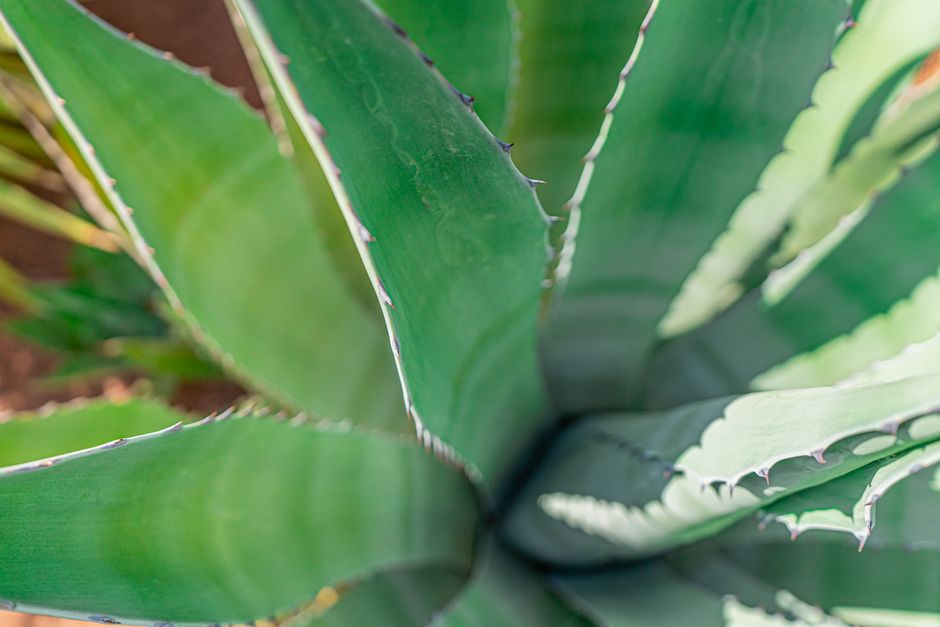
Agave nectar is a sweetener made from the sap of the agave plant, the same plant used to make tequila. It is often marketed as a healthier alternative to sugar because it has a lower glycemic index, meaning it does not spike blood sugar as quickly. However, it is very high in fructose, which comes with its own set of health concerns that many marketing claims conveniently leave out.
How Is Agave Nectar Made?
Agave nectar starts with the core of the agave plant, called the piña. Workers harvest the plant and extract the sap. That sap is then filtered and heated to break down the complex carbohydrates into simple sugars.
The final product is a syrup that can range from light to dark in color. The lighter versions are more processed and have a milder flavor. Darker versions retain more of the plant’s minerals, but the nutritional difference is small.
Most commercial agave nectar is highly processed. This is different from the traditional, less refined product made in Mexico. The processing changes the sugar composition significantly.
What Is Agave Nectar’s Sugar Profile?
Here is where the story gets complicated. Agave nectar is roughly 70 to 90 percent fructose. For comparison, table sugar (sucrose) is 50 percent fructose. High fructose corn syrup is usually around 55 percent fructose.
The high fructose content is why agave has a low glycemic index. Fructose does not raise blood sugar or insulin levels in the short term the way glucose does. This sounds like a win, but it is not that simple.
The liver is the only organ that can metabolize fructose in large amounts. When you consume a lot of fructose, the liver gets overloaded. It starts turning that fructose into fat, a process called de novo lipogenesis.
This is the same metabolic pathway that makes high fructose corn syrup problematic. Current research suggests that chronic high fructose intake can contribute to fatty liver disease, insulin resistance, and elevated triglycerides.
Does Agave Nectar Beat Regular Sugar?
This depends on what you are trying to achieve. If your only concern is blood sugar spikes, agave nectar wins on paper. People with diabetes sometimes use it because it causes a smaller glucose response than white sugar.
But blood sugar is not the whole story. The table below compares the key differences between agave nectar and common sweeteners.
| Sweetener | Fructose Content | Glycemic Index | Calories per Teaspoon |
|---|---|---|---|
| Agave Nectar | 70-90% | 15-30 | 20 |
| White Sugar | 50% | 65 | 16 |
| Honey | 40% | 50-58 | 21 |
| Maple Syrup | 50% | 54 | 17 |
Agave nectar is sweeter than sugar, so you can use less of it. That helps reduce calorie intake if you adjust the amount properly. Many people do not adjust, though. They use the same volume and end up consuming more calories and more fructose.
For most people, switching from sugar to agave is not a health upgrade. It is trading one problem for another. You avoid the blood sugar spike but increase the metabolic burden on your liver.





What Are the Health Risks of Agave Nectar?
The main risk is the high fructose load. Unlike glucose, which every cell in the body can use for energy, fructose must be processed by the liver. A high fructose diet over time is linked to several health problems.
Studies have found that high fructose consumption can raise triglyceride levels. High triglycerides are a risk factor for heart disease. Some research also links high fructose intake to increased visceral fat, the dangerous fat stored around the organs.
There is also the issue of non-alcoholic fatty liver disease (NAFLD). This condition is becoming more common, and excess fructose is a known contributor. The liver converts fructose into fat, and that fat can build up inside liver cells.
People who already have insulin resistance or metabolic syndrome should be especially cautious. For them, agave nectar is not a healthy swap. It is still a concentrated source of sugar that the body struggles to handle.
Is Agave Nectar Better for People with Diabetes?
Some people with diabetes use agave because of the low glycemic index. A lower blood sugar spike after eating is generally helpful for blood sugar management. That part is true.
However, the high fructose content raises other concerns. Fructose does not stimulate insulin release the way glucose does. That sounds good, but insulin is also the hormone that tells your body to stop eating. Without that signal, it is easier to overconsume.
Long term, a diet high in fructose can worsen insulin resistance. This is the opposite of what someone with diabetes needs. The low glycemic benefit in the moment may come at a cost over months and years.
If you have diabetes and want a sweetener, it is worth talking to your doctor or a dietitian. They can help you weigh the short-term blood sugar benefits against the long-term metabolic risks. As of 2026, most diabetes organizations do not list agave as a recommended sweetener.
Common Misconceptions About Agave Nectar
The biggest myth is that agave nectar is a natural, unprocessed food. Most agave nectar on store shelves is highly processed. The heat treatment used to break down the sugars destroys many of the natural enzymes and compounds found in the raw sap.
Another myth is that agave nectar is a good source of vitamins and minerals. It does contain small amounts of iron, calcium, and potassium. But the amounts are negligible. You would have to eat spoonfuls of it to get any meaningful nutrition, which would defeat the purpose.
Some people also believe agave is safe because it comes from a plant. That logic does not hold up. Cocaine comes from a plant too. The source does not determine the health impact. What matters is how the body processes the substance.
Here is a quick list of things to keep in mind:
- Agave nectar is mostly fructose, which the liver processes differently than glucose.
- The low glycemic index does not mean it is healthy overall.
- It is not a significant source of vitamins or minerals.
- Most commercial agave is highly processed, not a traditional whole food.
- Using it in small amounts occasionally is likely fine for most healthy people.
What Should You Use Instead of Agave Nectar?
If you are looking for a sweetener with less impact on blood sugar, stevia or monk fruit are better options. They have no calories and do not affect blood glucose or insulin levels. They are not perfect, but they are closer to neutral than agave.
If you want something more natural, raw honey or maple syrup are reasonable choices in small amounts. They contain antioxidants and have a more balanced fructose-to-glucose ratio. They still raise blood sugar, but their overall metabolic impact is less concerning than agave’s.
The honest answer is that no added sweetener is truly healthy. Your body does not need any of them. The healthiest choice is to reduce your overall sweetener intake, whether that is sugar, honey, agave, or anything else.
If you enjoy the taste of agave and use it sparingly, it is probably not going to harm you. The problem comes when people treat it as a health food and use large amounts. Moderation matters more than the specific type of sweetener.
Frequently Asked Questions
Is agave nectar healthier than white sugar?
No. Agave nectar has a lower glycemic index, but it is much higher in fructose, which can stress the liver and raise triglyceride levels.
Can people with diabetes use agave nectar?
It causes a smaller blood sugar spike than sugar, but the high fructose content may worsen insulin resistance over time.
Does agave nectar have any nutritional value?
It contains trace amounts of minerals like iron and calcium, but the amounts are too small to matter nutritionally.
How much agave nectar is safe to eat per day?
There is no official safe limit, but keeping it to one teaspoon or less per day is reasonable for most healthy adults.
