
A sickle cell test can feel confusing, especially when the lab report uses terms you have never seen before. Hgb solubility is one of those terms. It refers to a specific lab test that helps doctors screen for sickle cell disease and sickle cell trait. The test works by checking how hemoglobin, the protein that carries oxygen in red blood cells, behaves when it is placed in a special solution. If the hemoglobin is the sickle type, it forms a cloudy precipitate in the solution. Normal hemoglobin stays clear. This simple visual change gives doctors a fast, reliable first look at whether sickle hemoglobin is present in the blood.
What Is Hgb Solubility A Sickle Cell Blood Test?
Hgb solubility is a screening test for sickle cell hemoglobin. The full name is hemoglobin solubility test, and it is sometimes called the sickle cell solubility test or the Sickledex test, which is a brand name for one version of it. The test detects the presence of hemoglobin S, the abnormal form of hemoglobin that causes sickle cell disease.
The test works on a simple chemical principle. A chemical reagent is added to a blood sample. If hemoglobin S is present, it becomes less soluble and forms a cloudy or turbid precipitate. If only normal hemoglobin is present, the solution stays clear. The result is reported as either positive or negative. A positive result means hemoglobin S is present, but it does not tell you whether the person has sickle cell disease or just carries the trait. That distinction requires a follow-up test called hemoglobin electrophoresis.
Why Doctors Order This Test
Doctors order the Hgb solubility test for several reasons. The most common reason is newborn screening follow-up. Many states screen newborns for sickle cell disease at birth, and a positive screening result may be confirmed with a solubility test. It is also used when a person has symptoms that suggest sickle cell disease, such as unexplained pain episodes, frequent infections, or anemia that does not improve with iron supplements.
The test is also used for routine screening in certain situations. Some employers, military branches, and sports organizations require sickle cell screening. In the United States, the National Collegiate Athletic Association requires testing for student athletes. The test is fast and inexpensive, which makes it practical for large-scale screening programs.
Another important use is genetic counseling. If a couple is planning a family and one partner has sickle cell trait, the other partner may be tested to assess the risk of having a child with sickle cell disease. The solubility test can provide that information quickly.
What A Positive Result Means
A positive solubility test means hemoglobin S is present in the blood. It does not distinguish between sickle cell trait and sickle cell disease. That is a critical limitation. People with sickle cell trait have one normal hemoglobin gene and one sickle hemoglobin gene. They usually have no symptoms and live completely normal lives. People with sickle cell disease have two sickle hemoglobin genes and experience serious health complications.
Because the test cannot make this distinction, a positive result always requires follow-up testing. Hemoglobin electrophoresis is the standard test used to confirm the diagnosis. This test separates different types of hemoglobin by their electrical charge and shows exactly which types are present and in what amounts. This gives the doctor the information needed to distinguish trait from disease.
There is also a rare situation where the solubility test can produce a false negative. Infants under six months old still have high levels of fetal hemoglobin, which can interfere with the test. A negative result in a young infant does not completely rule out sickle cell disease. If clinical suspicion remains high, the doctor will order more sensitive testing.




What A Negative Result Means
A negative solubility test means no hemoglobin S was detected in the sample. This is generally reassuring. It means the person does not have sickle cell trait or sickle cell disease. However, the test is not perfect. Rarely, a person with a very low percentage of hemoglobin S may test negative. This can happen if the person has recently received a blood transfusion from a donor without sickle hemoglobin, which dilutes the sample.
A negative result also does not rule out other hemoglobin disorders. There are many types of abnormal hemoglobin besides hemoglobin S. Conditions like hemoglobin C disease, hemoglobin E disease, and thalassemia will not be detected by the solubility test. If a doctor suspects one of these conditions for other reasons, additional testing is needed.
How The Test Is Performed
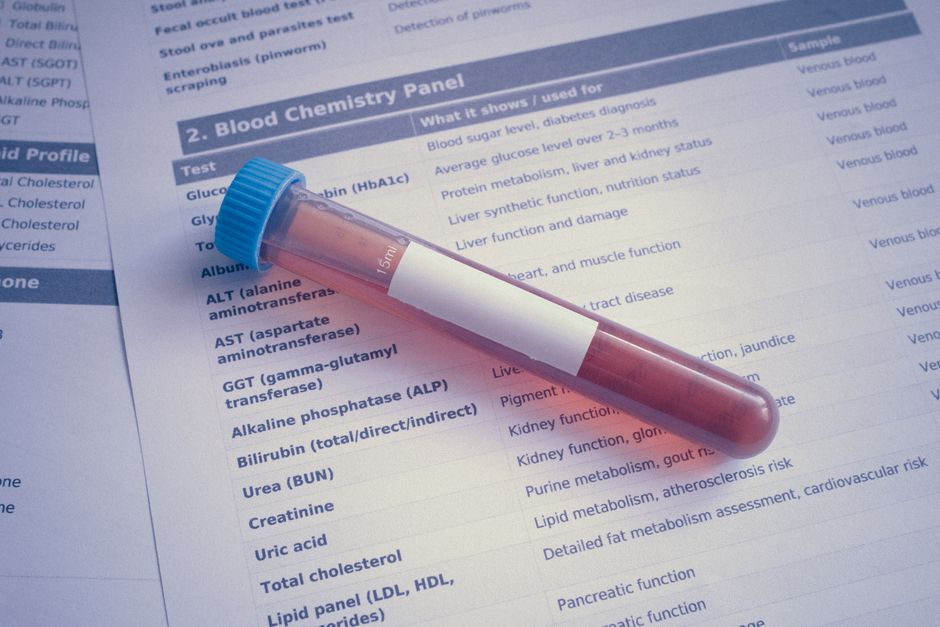
The Hgb solubility test is a simple blood test. A healthcare professional draws a small blood sample from a vein in the arm. The sample is sent to a laboratory, where the solubility testing is performed. Results are typically available within a few hours to a day, depending on the laboratory.
No special preparation is required. You do not need to fast before the test. You can eat and drink normally. There are no significant risks beyond the minor discomfort of having blood drawn, such as slight bruising at the needle site.
The test itself takes only a few minutes in the laboratory. The technician mixes the blood with the reagent solution and observes whether precipitation occurs. The result is read visually or with a spectrophotometer, which measures light transmission through the solution.
Limitations And Important Caveats
The Hgb solubility test is a screening test, not a diagnostic test. This distinction matters. A screening test identifies people who may have a condition and need further evaluation. It is not designed to provide a definitive diagnosis on its own.
The test cannot differentiate between sickle cell trait and sickle cell disease. It also cannot identify other hemoglobin variants. It can produce false negatives in infants under six months and in people who have recently had blood transfusions. It can also produce false positives in people with certain other conditions, such as multiple myeloma or severe liver disease, because abnormal proteins in the blood can cause precipitation that mimics a positive result.
Because of these limitations, the solubility test is never used as the sole basis for a diagnosis. It is always interpreted alongside clinical findings and confirmed with hemoglobin electrophoresis or DNA testing when necessary.
Understanding Your Results
If your test result is negative, your doctor will likely tell you that no sickle hemoglobin was found. If your result is positive, your doctor will explain that follow-up testing is needed to determine whether you have sickle cell trait or sickle cell disease. Do not try to interpret a positive result on your own. The distinction between trait and disease has major implications for your health and for family planning, and it requires expert interpretation.
If you are being tested because of a family history of sickle cell disease, it is a good idea to discuss the results with a genetic counselor. They can explain what the results mean for you and for your relatives. They can also help you understand the risks if you are planning to have children.
Frequently Asked Questions
What is the difference between sickle cell trait and sickle cell disease?
Sickle cell trait means you carry one sickle hemoglobin gene and one normal gene, and you usually have no symptoms. Sickle cell disease means you have two sickle hemoglobin genes, which causes chronic health problems.
How long does it take to get results from a sickle cell solubility test?
Results are usually available within a few hours to one day after the blood sample reaches the laboratory. The exact time depends on the laboratory’s workload and procedures.
Can a sickle cell solubility test give a false negative result?
Yes, false negatives can occur in infants under six months old and in people who have recently had a blood transfusion. In these situations, doctors rely on more sensitive tests to confirm or rule out sickle cell disease.
Do I need to fast before a hemoglobin solubility test?
No, fasting is not required for this test. You can eat and drink normally before having your blood drawn.
