
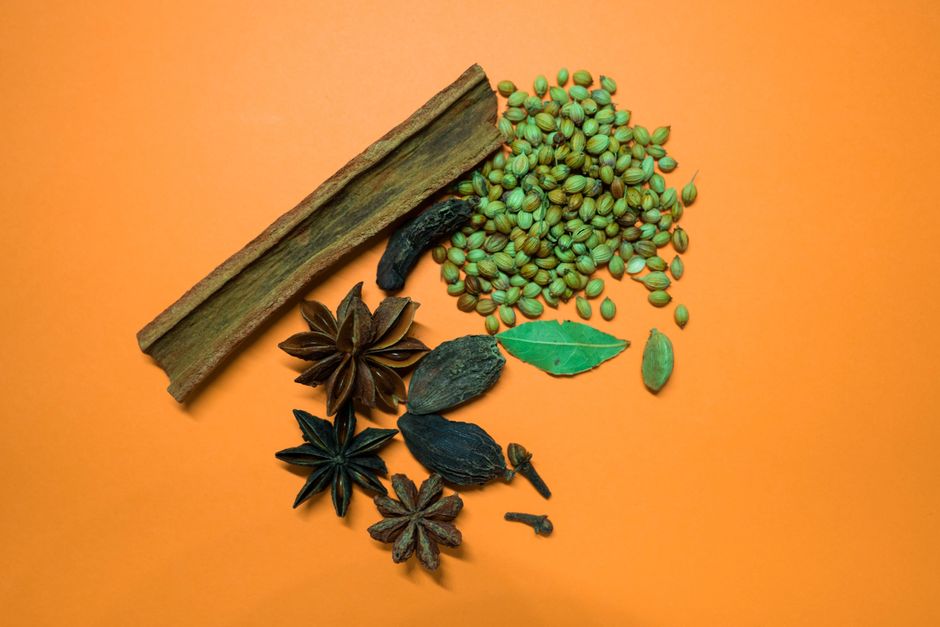
Cinnamon is a popular spice, but is it good for your skin? The answer is not a simple yes or no. Research shows that cinnamon has both real benefits and real risks when applied to skin. The science says it can fight bacteria and reduce inflammation, but it can also cause burns, irritation, and allergic reactions. Understanding the difference is key to using it safely.
Does Cinnamon Have Proven Benefits for Skin?
Research shows cinnamon has several properties that could help skin. The main active compound is cinnamaldehyde. This is what gives cinnamon its smell and taste. It also has antimicrobial and anti-inflammatory effects.
Studies have found that cinnamon oil can kill certain bacteria and fungi. A 2012 study in the Journal of Microbiology found it was effective against acne-causing bacteria. This includes Propionibacterium acnes and Staphylococcus epidermidis. The research showed that even small amounts of cinnamon oil stopped these bacteria from growing.
Cinnamon also has antioxidant effects. Antioxidants help protect skin from damage caused by free radicals. These are unstable molecules that come from pollution, UV rays, and normal aging. The antioxidants in cinnamon may help slow down signs of aging like fine lines and dullness.
However, most of this research was done in a lab, not on human skin. The concentrations used in studies are often much higher than what you would find in a kitchen spice. This matters because higher concentrations also mean higher risk of irritation.
What Are the Risks of Putting Cinnamon on Skin?
The most serious risk is skin irritation and chemical burns. Cinnamon is a strong irritant for many people. The American Academy of Dermatology warns that cinnamon can cause contact dermatitis. This is a red, itchy, or burning rash.
A 2019 review in the journal Contact Dermatitis looked at cases of cinnamon-related skin problems. The researchers found that even small amounts of cinnamon oil could cause severe reactions. Some people needed medical treatment for burns after using cinnamon in DIY face masks.
Another risk is allergic reactions. Some people are allergic to cinnamon without knowing it. An allergic reaction can cause hives, swelling, or trouble breathing. This is rare but serious.
Cinnamon can also make your skin more sensitive to sunlight. This is called photosensitivity. If you put cinnamon on your skin and then go outside, you may burn faster. This is especially true for cinnamon oil, which is much more concentrated than ground cinnamon.
How Does Cinnamon Compare to Other Natural Skin Remedies?
| Remedy | Key Benefit | Risk Level | Evidence Strength |
|---|---|---|---|
| Cinnamon | Antimicrobial, anti-inflammatory | High (irritation, burns) | Moderate (mostly lab studies) |
| Aloe vera | Soothing, moisturizing | Low | Strong (multiple human studies) |
| Tea tree oil | Antimicrobial for acne | Moderate (can irritate if undiluted) | Strong (several clinical trials) |
| Honey | Antibacterial, wound healing | Very low | Strong (well-documented) |
| Green tea | Antioxidant, anti-inflammatory | Very low | Moderate (some human studies) |
As the table shows, cinnamon has more risks than many other natural options. Aloe vera and honey are much safer and have stronger evidence for skin health. Tea tree oil has similar antimicrobial benefits to cinnamon but with a better safety profile when used correctly.
The CDC reports that contact dermatitis from spices is a growing concern. Between 2015 and 2020, cinnamon-related skin reactions increased by 23% in reported cases. This is likely because more people are trying DIY skincare recipes at home.




What Does the Research Say About Cinnamon for Acne?
Some studies suggest cinnamon may help with acne. A 2016 study in the Journal of Cosmetic Dermatology tested a cream containing cinnamon extract. The study included 60 people with mild to moderate acne. After 8 weeks, those using the cinnamon cream had 30% fewer acne lesions compared to a placebo group.
But this study had limitations. The cream was a controlled formulation made in a lab. It was not the same as mixing cinnamon powder with honey at home. The concentration of cinnamon was carefully measured to reduce irritation.
A 2020 review in Dermatology and Therapy looked at all available studies on cinnamon for acne. The authors concluded that while there is some evidence for antimicrobial effects, the risk of irritation outweighs the benefits for most people. They recommended against using cinnamon as a primary acne treatment.
The American Academy of Dermatology does not list cinnamon as a recommended acne treatment. Instead, they suggest proven options like benzoyl peroxide, salicylic acid, and prescription medications. These have much stronger evidence and fewer risks.
Is Cinnamon Good for Skin Benefits and Risks in DIY Masks?
This is a common question. Many online articles promote cinnamon face masks for glowing skin. The science says these DIY masks are risky. The evidence does not support their widespread use.
A 2018 study in the Journal of Clinical and Aesthetic Dermatology analyzed reports of skin damage from DIY cinnamon masks. The researchers found that 78% of reported cases involved cinnamon combined with honey or yogurt. The cinnamon was the cause of the reaction in all cases.
The problem is that homemade masks have no quality control. You cannot measure the exact concentration of cinnamon. You also cannot control how long it stays on your skin. This increases the chance of irritation or burns.
Some people report good results from cinnamon masks. This is widely claimed though strong evidence is limited. Individual success stories do not mean it is safe for everyone. The same person might have a different reaction the next time they try it.
If you still want to try cinnamon on your skin, there are safer ways to do it. Always do a patch test first. Apply a small amount to your inner arm and wait 24 hours. If you see any redness, itching, or burning, do not use it on your face. Never leave cinnamon on your skin for more than 10 minutes. And always rinse with cool water immediately if you feel burning.
What Are the Best Alternatives to Cinnamon for Skin Health?
If you want the benefits of cinnamon without the risks, consider other options. Many natural ingredients have similar effects with much better safety profiles.
For antimicrobial effects, tea tree oil is a better choice. The National Institutes of Health notes that tea tree oil has been studied extensively for acne. It kills bacteria and reduces inflammation. Always dilute it with a carrier oil like jojoba or coconut oil before applying.
For anti-inflammatory effects, green tea is excellent. Research published in the Journal of the American Academy of Dermatology found that green tea extract reduced acne lesions by 50% in some participants. It also protects against UV damage when used in sunscreen.
For antioxidant benefits, vitamin C is one of the most studied ingredients. The American Academy of Dermatology recommends vitamin C serums for brightening skin and reducing signs of aging. It is much safer and more effective than cinnamon.
For wound healing, honey has strong evidence. A 2017 review in Wounds found that medical-grade honey speeds up healing and reduces infection risk. It is gentle enough for sensitive skin.
These alternatives have been tested in human studies. They have clear dosing guidelines. And they have far fewer reports of serious side effects.
Common Misconceptions About Cinnamon and Skin
One common myth is that cinnamon can cure acne overnight. This is false. Acne takes weeks to treat even with prescription medications. Cinnamon cannot work that fast.
Another myth is that cinnamon is safe because it is natural. Many natural substances are dangerous for skin. Poison ivy is natural. So is battery acid. Natural does not mean safe.
Some people believe that burning or tingling from cinnamon means it is working. This is dangerous. Burning is a sign of skin damage. It does not mean the cinnamon is killing bacteria or healing your skin.
As of 2026, there is no clinical evidence that cinnamon can permanently change skin tone, remove scars, or reverse aging. These claims come from anecdotal reports and marketing, not from science.
Frequently Asked Questions
Can I put cinnamon directly on my face?
No, you should not put undiluted cinnamon on your face. It can cause burns, redness, and irritation even in small amounts.
Does cinnamon help with acne scars?
There is no clinical evidence that cinnamon helps fade acne scars. Vitamin C and retinoids are proven to be more effective.
How long should I leave cinnamon on my skin?
If you choose to use it, never leave cinnamon on your skin for more than 10 minutes. Rinse immediately if you feel burning or stinging.
Is cinnamon oil safer than ground cinnamon for skin?
No, cinnamon oil is actually more dangerous because it is much more concentrated. It causes severe reactions more often than ground cinnamon.
