
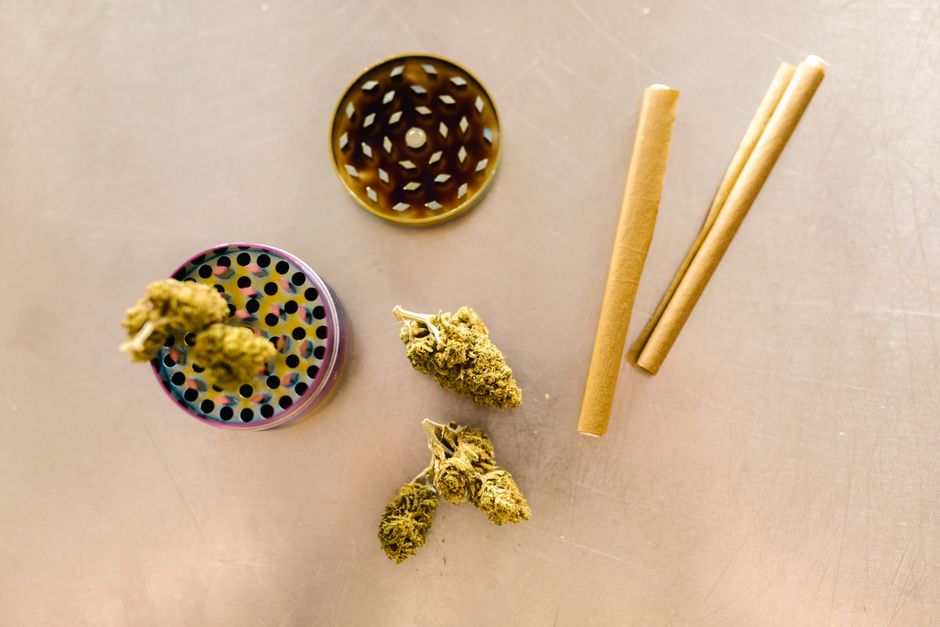
Hemp is a variety of the Cannabis sativa plant grown specifically for industrial uses. Unlike its close relative marijuana, hemp contains very low levels of THC (tetrahydrocannabinol), the compound that causes a high. The United States legally defines hemp as cannabis containing no more than 0.3 percent THC by dry weight. People use hemp for everything from clothing and building materials to food and skincare products. Its seeds, stalks, and flowers all have different practical applications.
What Is Hemp Used For in Food and Nutrition?
Hemp seeds are the most common food product from the plant. They are not the same as hemp hearts, which are the shelled inner seed. Whole hemp seeds have a crunchy outer shell, while hemp hearts are soft and nutty. Both are packed with protein, healthy fats, and minerals.
Research shows that hemp seeds contain all nine essential amino acids, making them a complete protein source. This is rare for plant-based foods. The seeds are also rich in omega-3 and omega-6 fatty acids in a ratio that the body can use well. The World Health Organization recognizes hemp seed protein as high quality.
People eat hemp seeds raw, roasted, or ground into powder. You can sprinkle hemp hearts on salads, blend them into smoothies, or mix them into oatmeal. Hemp seed oil is another food product. It has a nutty flavor and is used in salad dressings and dips. One thing to know: hemp seed oil has a low smoke point, so it is not good for cooking at high heat.
Some studies suggest that hemp seeds may help with heart health. The fatty acids in hemp seeds can support healthy cholesterol levels. But the research is still early. Most studies have been small or done on animals. What is clear is that hemp seeds are a nutritious food, not a medicine.
What Is Hemp Used For in Skincare and Body Products?
Hemp seed oil is a common ingredient in lotions, soaps, balms, and lip products. It is not the same as CBD oil, which comes from the flowers and leaves. Hemp seed oil is pressed from the seeds and does not contain significant amounts of cannabinoids.
The oil is high in linoleic acid, an omega-6 fatty acid that helps maintain the skin’s barrier. The American Academy of Dermatology notes that linoleic acid can help with dry skin and acne. Hemp seed oil is also non-comedogenic, meaning it does not clog pores. This makes it a good choice for people with oily or acne-prone skin.
Some people report that hemp-based creams help with eczema and psoriasis. There is limited clinical evidence for this. A small 2019 study in the Journal of Dermatological Treatment found that a hemp seed oil cream improved skin dryness and itchiness in people with eczema. But the study was small and did not compare against a placebo cream.
What you should know: many skincare products labeled “hemp” contain hemp seed oil in very small amounts. The actual concentration may be too low to do much. If you want the skin benefits, look for products where hemp seed oil is listed near the top of the ingredients.
Does Hemp Work for Pain and Inflammation?
This is where the marketing gets louder than the evidence. Many products claim hemp relieves pain, reduces inflammation, or helps with arthritis. The truth depends on what part of the plant is used and how it is processed.
Hemp seed oil does not contain cannabinoids like CBD or THC. There is no solid evidence that hemp seed oil alone reduces pain or inflammation. The anti-inflammatory compounds in hemp are mostly in the flowers and leaves, not the seeds.
CBD products made from hemp are a different story. Some studies suggest that CBD may help with chronic pain and inflammation. A 2018 review in Frontiers in Pharmacology found that CBD showed promise for pain relief in animal studies. Human studies are more mixed. The National Center for Complementary and Integrative Health states that there is not enough high-quality evidence to recommend CBD for pain.
What works for some people may not work for you. If you try a hemp-based pain product, look for one that is clearly labeled as containing CBD or full-spectrum hemp extract. Hemp seed oil products will not have the same effects. And always check with your doctor before using any supplement for pain.





What Is Hemp Used For in Clothing and Textiles?
Hemp fiber comes from the stalk of the plant. It is one of the strongest natural fibers in the world. Hemp fabric is durable, breathable, and gets softer with each wash. It also resists mold and UV light better than cotton.
The environmental benefits are real. Hemp grows quickly, uses less water than cotton, and does not require many pesticides. A 2020 report from the European Commission noted that hemp farming has a lower environmental impact than most other fiber crops. The plant also improves soil health by putting nutrients back into the ground.
Hemp clothing is available as shirts, pants, jackets, socks, and hats. The fabric can feel stiff at first, but it softens over time. Blending hemp with cotton or lyocell makes it more comfortable to wear. Hemp is also used for rope, canvas, bags, and industrial fabrics.
One downside: hemp fabric is more expensive than conventional cotton. The supply chain is smaller, and processing the fibers takes more labor. Prices have been coming down as more farmers grow hemp, but it is still a premium product.
What Are the Side Effects of Hemp Products?
Hemp products are generally safe for most people. The FDA considers hemp seed oil as generally recognized as safe (GRAS). Side effects are rare and usually mild.
Some people report digestive issues after eating hemp seeds. This is most common with whole seeds that still have the shell. The fiber in the shells can cause bloating or gas in sensitive people. Hemp hearts are easier to digest.
Hemp seed oil can cause skin irritation in rare cases. If you have a known allergy to cannabis plants, you may react to hemp products. Patch test any new skincare product before using it widely.
CBD products from hemp have more potential side effects. These can include dry mouth, drowsiness, and changes in appetite. CBD can also interact with certain medications, especially blood thinners. The FDA has warned that CBD products are not regulated for safety and purity. Some products tested have contained less CBD than the label claimed, or none at all.
If you take prescription medications, talk to your doctor before using any hemp or CBD product. This is especially important for people on blood thinners, seizure medications, or antidepressants.
What Is Hemp Used For in Building and Industrial Materials?
Hempcrete is a building material made from the woody core of the hemp stalk mixed with lime and water. It is lightweight, fire-resistant, and provides good insulation. Unlike concrete, hempcrete is carbon-negative because the hemp plant absorbs CO2 as it grows.
Hempcrete is not a structural material. It cannot hold up a building on its own. It is used as insulation or infill between wooden frames. Builders use it for walls, floors, and roofs. The material regulates humidity naturally, which can improve indoor air quality.
Hemp is also used to make bioplastics, paper, and automotive parts. Henry Ford made a car body from hemp plastic in 1941. Today, some car manufacturers use hemp fiber in door panels and interior trim. The material is strong, lightweight, and biodegradable.
The industrial hemp market is growing but still small. The USDA reports that the United States harvested about 18,000 acres of hemp for fiber in 2023. That is tiny compared to cotton, which covers over 10 million acres. The infrastructure for processing hemp fiber is still being built.
Common Misconceptions About Hemp
The biggest myth is that hemp can get you high. It cannot. Hemp contains less than 0.3 percent THC. You would need to smoke an impossible amount to feel any psychoactive effect. Drug tests look for THC metabolites, not hemp compounds. Eating hemp seeds will not cause a failed drug test.
Another myth is that hemp is the same as marijuana. They are different varieties of the same plant species. Marijuana has been bred for high THC content. Hemp has been bred for fiber, seeds, or low THC. The two look different too. Hemp plants are tall and thin. Marijuana plants are shorter and bushier.
Some people believe that all hemp products contain CBD. They do not. Hemp seed oil has no significant amount of CBD. Only products made from the flowers and leaves of the plant contain CBD. Read labels carefully. “Hemp oil” and “hemp seed oil” are not the same as “CBD oil.”
Frequently Asked Questions
Can you eat hemp seeds raw?
Yes, you can eat hemp seeds raw. Hemp hearts are ready to eat straight from the package with no cooking needed.
Does hemp show up on a drug test?
Hemp products with less than 0.3 percent THC should not cause a positive drug test. Eating large amounts of hemp seeds daily could theoretically cause a false positive, but this is extremely rare.
Is hemp legal in all 50 states?
Hemp is federally legal in the United States under the 2018 Farm Bill. Some states have their own regulations, so check local laws before growing or selling hemp products.
What is the difference between hemp oil and CBD oil?
Hemp oil is pressed from the seeds and contains no significant cannabinoids. CBD oil is extracted from the flowers and leaves and contains cannabidiol.
