
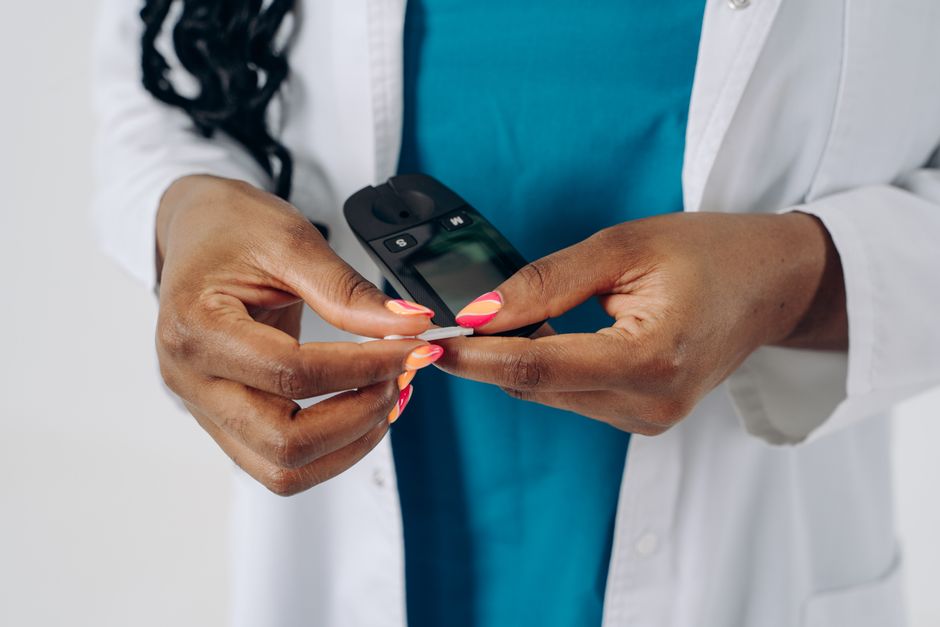
Hemoglobin is the protein in your red blood cells that carries oxygen from your lungs to every part of your body. It also picks up carbon dioxide and brings it back to your lungs so you can breathe it out. When your hemoglobin levels are too high or too low, it signals that something in your body needs attention.
What Is Hemoglobin and What Does It Actually Do?
Hemoglobin is a complex protein made of four subunits. Each subunit contains an iron atom that grabs onto oxygen molecules. Without enough iron, your body cannot make enough functioning hemoglobin.
Think of hemoglobin as a delivery truck fleet inside your blood. Each red blood cell carries about 270 million hemoglobin molecules. That is a lot of trucks. When you breathe in, oxygen binds to the iron in hemoglobin. When blood reaches tissues that need oxygen, hemoglobin releases it.
Hemoglobin also helps blood look red. Oxygen-rich blood is bright red. Blood without oxygen is darker, almost maroon. That is why arteries look red and veins look blue through your skin — the blue is an optical trick, not the actual color of deoxygenated blood.
What Are Normal Hemoglobin Levels by Age and Sex?
Normal hemoglobin levels differ depending on your age, sex, and even where you live. The ranges below are standard for healthy adults living at sea level.
| Group | Normal Hemoglobin Range (g/dL) |
|---|---|
| Adult men | 13.5 to 17.5 |
| Adult women | 12.0 to 15.5 |
| Pregnant women | 11.0 to 15.0 |
| Children (1-18 years) | 11.0 to 16.0 |
These numbers come from the World Health Organization and major medical labs. But your doctor may use slightly different ranges depending on the lab that processes your blood. Always compare your results against the reference range printed on your lab report.
People who live at high altitudes naturally have higher hemoglobin levels. The body makes more hemoglobin to compensate for lower oxygen in the air. This is normal and not a disorder.
What Causes Low Hemoglobin Levels?
Low hemoglobin is called anemia. The most common cause worldwide is iron deficiency. Your body needs iron to make hemoglobin. Without enough iron, production slows down and your red blood cells become smaller and paler.
Other causes include:
- Vitamin B12 or folate deficiency
- Chronic kidney disease — kidneys produce a hormone that tells bone marrow to make red blood cells
- Blood loss from heavy periods, ulcers, or injury
- Genetic conditions like sickle cell disease or thalassemia
- Bone marrow disorders that affect blood cell production
Some people report feeling tired, cold, and short of breath with mild anemia. But many people have no symptoms at all until levels drop significantly. The CDC reports that about 6% of Americans over age 65 have some form of anemia.




What Causes High Hemoglobin Levels?
High hemoglobin is less common than low hemoglobin. It means your body has too many red blood cells or each cell contains too much hemoglobin. This thickens your blood and makes it harder for your heart to pump.
Primary causes include polycythemia vera, a bone marrow disease where the body makes too many red blood cells. This is rare. Secondary causes are more common and include:
Chronic lung diseases like COPD reduce oxygen in the blood over time. Your body compensates by making more hemoglobin. Smoking does the same thing — carbon monoxide in smoke binds to hemoglobin and blocks oxygen, so the body ramps up production to compensate.
Living at high altitude also raises hemoglobin naturally. Some people who use performance-enhancing drugs like erythropoietin, or EPO, also spike their hemoglobin dangerously high. This is why endurance athletes get tested for blood doping.
How Are Hemoglobin Disorders Diagnosed and Treated?
Doctors diagnose hemoglobin disorders with a simple blood test called a complete blood count, or CBC. The hemoglobin value is one of the key numbers on a CBC report. If that number is out of range, your doctor will usually repeat the test to confirm before doing anything else.
Treatment depends entirely on the cause. For iron-deficiency anemia, the standard approach is oral iron supplements. Research published in the Journal of the American Medical Association found that taking iron every other day may actually work better than daily dosing because the body absorbs iron more efficiently with a break between doses.
For B12 deficiency, injections or high-dose oral supplements work well. For anemia caused by chronic kidney disease, synthetic erythropoietin injections are sometimes used. This is widely claimed to improve energy, though strong evidence is limited for how much it improves quality of life in all patients.
For high hemoglobin from polycythemia vera, doctors may prescribe a medication called hydroxyurea or recommend therapeutic phlebotomy — removing blood regularly to lower red blood cell count. This is the same basic idea as donating blood, but done under medical supervision.
As of 2026, there is no clinical evidence that any supplement or diet alone can cure genetic hemoglobin disorders like sickle cell disease or thalassemia. Gene therapy is emerging as a promising area of research, but it is not yet widely available.
Common Misconceptions About Hemoglobin
One of the most persistent myths is that eating spinach or other iron-rich foods can quickly fix low hemoglobin. This is widely claimed though strong evidence is limited for rapid improvement from food alone. Dietary iron helps over weeks and months, but someone with moderate anemia usually needs supplements to raise levels in a reasonable time frame.
Another myth is that high hemoglobin always means you are healthy. Some people assume more oxygen-carrying capacity is better. But thick blood puts strain on your heart and increases your risk of blood clots and stroke. Higher is not always better.
Some people also believe that hemoglobin levels stay stable throughout the day. They do not. Hemoglobin can fluctuate with hydration status. If you are dehydrated, your blood is more concentrated and hemoglobin appears higher. If you are overhydrated, it appears lower. This is why doctors sometimes repeat tests before diagnosing a disorder.
What to Avoid When Managing Hemoglobin Levels
Do not take iron supplements unless you have confirmed low iron. Taking iron when your levels are normal can cause iron overload, which damages your liver, heart, and pancreas. This is especially dangerous for people with genetic conditions like hemochromatosis.
Do not ignore routine blood work. Many hemoglobin disorders develop slowly and cause no symptoms until they are advanced. A simple yearly CBC catches most of these problems early when they are easiest to treat.
Do not rely on internet hemoglobin test kits that claim to diagnose anemia from a finger prick at home. These tests vary widely in accuracy. A proper venous blood draw analyzed by a certified lab is the only reliable way to measure hemoglobin.
Avoid extreme diets that cut out entire food groups without medical supervision. Vegans and vegetarians can get enough iron and B12, but it requires planning. If you follow a plant-based diet, ask your doctor to check your B12 and ferritin levels at least once a year.
Frequently Asked Questions
What blood test measures hemoglobin?
A complete blood count, or CBC, includes a hemoglobin measurement. This is a standard blood test ordered during routine physical exams.
Can dehydration affect hemoglobin levels?
Yes, dehydration makes blood more concentrated, which can falsely raise hemoglobin levels. Rehydration usually brings levels back to normal.
How long does it take to raise low hemoglobin with supplements?
Iron supplements typically raise hemoglobin within 2 to 4 weeks. Full correction of iron stores usually takes 3 to 6 months of consistent supplementation.
Is low hemoglobin always a sign of disease?
No, temporary drops can happen after blood donation, surgery, or heavy menstrual bleeding. But persistent low hemoglobin should always be investigated by a doctor.
