
Low hemoglobin means your blood is not carrying enough oxygen to your body’s tissues. It often causes fatigue, weakness, and shortness of breath. Treatment usually starts with finding the cause, then adjusting your diet, and sometimes adding supplements under medical supervision. The most common cause worldwide is iron deficiency, but low hemoglobin can also come from vitamin B12 deficiency, folate deficiency, chronic disease, or blood loss. Your doctor needs to run a blood test to confirm which type you have before you start any treatment plan.
What Does Low Hemoglobin Actually Mean?
Hemoglobin is the protein inside red blood cells that carries oxygen from your lungs to every part of your body. When your hemoglobin level drops below normal, your organs and muscles get less oxygen than they need. That is why you feel tired, dizzy, or short of breath.
Normal hemoglobin ranges vary slightly by age, sex, and lab. For adult men, the typical range is 13.5 to 17.5 grams per deciliter. For adult women, it is 12.0 to 15.5 grams per deciliter. Levels below these ranges are considered low. Mild anemia may not cause symptoms at first. More severe anemia can cause chest pain, rapid heartbeat, pale skin, and cold hands and feet.
Your doctor will also look at other blood values, like mean corpuscular volume, to help identify the cause. MCV tells your doctor whether your red blood cells are smaller or larger than normal. Small cells usually point to iron deficiency. Large cells often point to B12 or folate deficiency.
Which Foods Raise Hemoglobin Naturally?
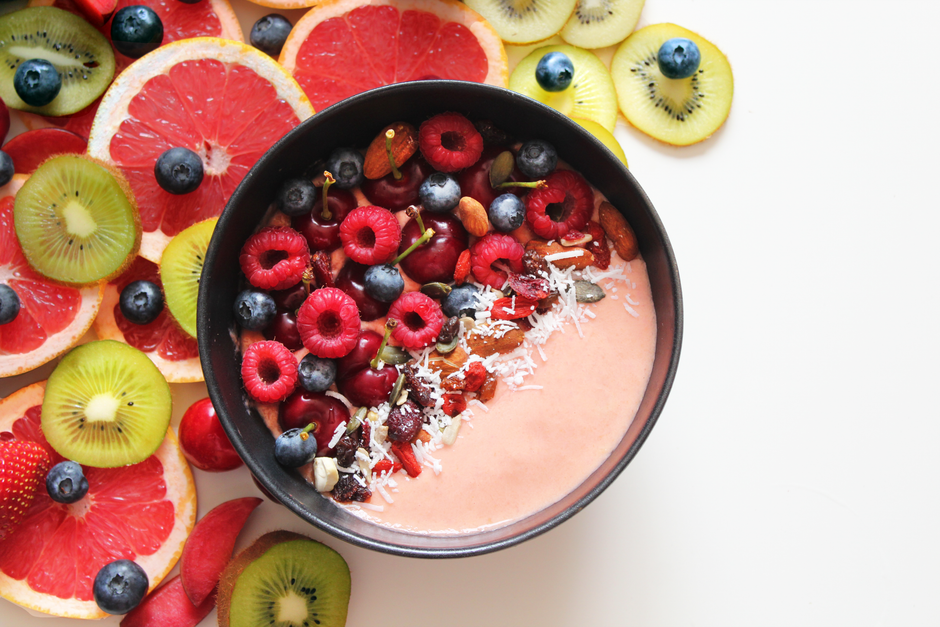
Diet can raise hemoglobin when the cause is a nutritional deficiency. The most important nutrients are iron, vitamin B12, and folate. Your body needs all three to make healthy red blood cells.
Heme iron comes from animal sources and is absorbed more easily by your body. Good sources include lean beef, lamb, liver, chicken, turkey, and fish. Oysters and clams are especially rich in iron.
Non-heme iron comes from plant sources. It is absorbed less efficiently, but you can improve absorption by eating it with vitamin C. Good plant sources include lentils, chickpeas, beans, tofu, spinach, kale, and fortified cereals. Pumpkin seeds and quinoa also contain useful amounts.
Vitamin C helps your body absorb non-heme iron. Eating citrus fruits, strawberries, bell peppers, broccoli, or tomatoes alongside iron-rich meals makes a real difference. For example, adding lemon juice to a lentil soup or eating an orange with a spinach salad can improve iron uptake.
Vitamin B12 is found almost exclusively in animal products. Meat, fish, poultry, eggs, and dairy are the main sources. If you follow a vegetarian or vegan diet, you are at higher risk for B12 deficiency and may need a supplement or fortified foods.
Folate is found in leafy green vegetables, beans, peas, and fortified grains. Asparagus, Brussels sprouts, and avocado are also good sources.
Some foods block iron absorption. Tea, coffee, and calcium-rich foods can reduce how much iron your body takes in from a meal. If you are trying to raise your hemoglobin, avoid drinking tea or coffee within an hour of iron-rich meals. Do not take calcium supplements at the same time as iron supplements.
How To Treat Low Hemoglobin Diet Supplements More?
Diet alone is often not enough to correct a significant deficiency. If your hemoglobin is clearly low, your doctor will likely recommend a supplement in addition to dietary changes. Supplements work faster than diet alone because they deliver a concentrated dose of the nutrient your body is missing.
Iron supplements are the standard treatment for iron deficiency anemia. The most common form is ferrous sulfate, but ferrous gluconate and ferrous fumarate are also used. Your doctor will tell you the right dose based on your blood test results. Do not guess at a dose. Too much iron can cause nausea, constipation, and in severe cases, organ damage.
Take iron supplements on an empty stomach when possible, because food reduces absorption. If that causes stomach upset, take them with a small amount of food. Vitamin C taken at the same time improves absorption. Avoid taking iron with milk, calcium supplements, or antacids.
Vitamin B12 supplements are needed if your B12 level is low. These come as oral tablets, sublingual tablets, or injections. For mild deficiency, oral supplements often work well. For severe deficiency or absorption problems, injections may be necessary. Your doctor will decide based on your situation.
Folate supplements are used when folate deficiency is the cause. Folic acid is the synthetic form found in supplements and fortified foods. The natural form, called folate, is found in food.
Do not take iron, B12, or folate supplements if you do not have a confirmed deficiency. Taking extra iron when your levels are normal can cause harm. Taking folic acid when you have a B12 deficiency can mask the B12 deficiency and allow nerve damage to progress unnoticed.
If your hemoglobin does not improve after several weeks of treatment, your doctor needs to investigate further. There may be ongoing blood loss, an absorption problem, or another underlying condition.

How Long Does It Take To Raise Hemoglobin?
With proper treatment, you should notice improvement within a few weeks. Most people feel more energy within two to four weeks of starting iron therapy. However, your hemoglobin level may take one to two months to return to normal. It takes time for your bone marrow to produce new red blood cells.
Your doctor will likely recheck your blood after about four to six weeks of treatment. This confirms whether the treatment is working. If your hemoglobin has not improved, the diagnosis may need to be reconsidered.
Continue taking supplements as long as your doctor recommends. Stopping too early is a common reason for relapse. Iron stores in your body, measured by ferritin, may need several more months to fully replenish even after your hemoglobin returns to normal.
When Diet and Supplements Are Not Enough
Some cases of low hemoglobin do not respond to diet and supplements. This happens when the cause is not nutritional. Chronic kidney disease, cancer, autoimmune conditions, and chronic inflammation can all cause anemia that does not improve with iron or vitamins.
Heavy menstrual bleeding or slow bleeding in the digestive tract can cause iron loss that outpaces what you can replace through diet and oral supplements. In these cases, treating the source of bleeding is essential.
Some people cannot absorb oral iron well, especially after certain stomach surgeries or with conditions like celiac disease. For these individuals, intravenous iron may be necessary. IV iron delivers iron directly into the bloodstream and bypasses the digestive system.
Severe anemia may require a blood transfusion. This is reserved for emergencies or situations where rapid correction is needed, such as active bleeding or very low hemoglobin with symptoms like chest pain or fainting.
Do not try to manage these situations on your own. Low hemoglobin that does not respond to basic treatment warrants a full medical evaluation.
Can You Prevent Low Hemoglobin?
Prevention depends on your risk factors. People who eat a balanced diet with adequate iron, B12, and folate are less likely to develop nutritional anemia. This is especially important for women with heavy menstrual periods, pregnant women, and people who follow restrictive diets.
Pregnant women have higher iron needs because their blood volume expands and the fetus requires iron. Prenatal vitamins usually contain iron, but some women need additional supplementation. Your obstetrician will monitor your hemoglobin throughout pregnancy.
Vegetarians and vegans need to be intentional about iron and B12 intake. Plant iron is less absorbable, so pairing it with vitamin C matters. A reliable B12 source, whether fortified foods or a supplement, is essential because plant foods do not naturally contain B12.
Older adults should have their hemoglobin checked regularly. Chronic conditions and medications can contribute to anemia in this population. Routine blood work often catches low hemoglobin before symptoms become severe.
When To See a Doctor
See a doctor if you have persistent fatigue, weakness, shortness of breath, pale skin, dizziness, or an irregular heartbeat. These can all be signs of anemia. Do not assume you can fix it with over-the-counter supplements without knowing the cause.
Seek emergency care if you have chest pain, difficulty breathing, or fainting. These can indicate severe anemia or another serious condition.
If you are already being treated for low hemoglobin, attend your follow-up appointments. Blood tests are the only reliable way to know if treatment is working. Symptoms alone are not enough to judge, because some people feel better before their blood counts are normal.
Frequently Asked Questions
What is the fastest way to raise hemoglobin?
Treating the underlying cause is the fastest approach, which usually means iron supplements for iron deficiency anemia. Your doctor will determine the right dose and type based on your blood test results.
Can low hemoglobin be fixed with diet alone?
Mild deficiency may improve with dietary changes, but moderate to severe anemia usually requires supplements. Diet alone often cannot deliver enough iron quickly enough to correct a significant deficiency.
How much iron should I take for low hemoglobin?
Only your doctor can determine the right dose based on your blood tests and medical history. Do not self-prescribe iron, because excess iron can be toxic to your organs.
What foods should I avoid if my hemoglobin is low?
Limit tea, coffee, and calcium-rich foods at the same time as iron-rich meals, because they reduce iron absorption. Do not take calcium supplements at the same time as iron supplements.
