
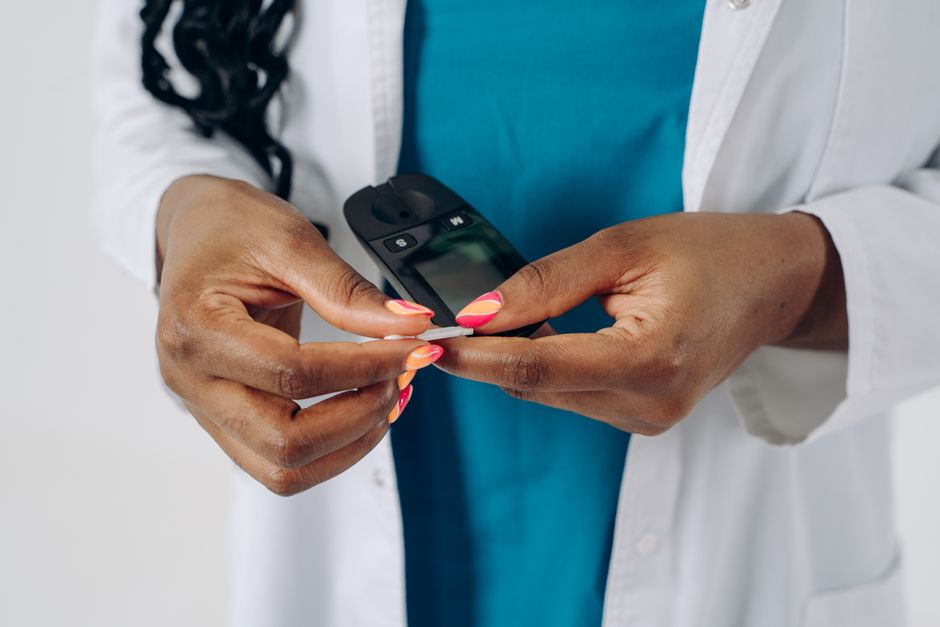
A hemoglobin level of 16.2 g/dL is above the normal range for most adults, but it is not automatically a cause for alarm. For adult women, normal hemoglobin typically ranges from 12.0 to 15.5 g/dL. For adult men, the normal range is usually 13.5 to 17.5 g/dL. A reading of 16.2 means your blood carries more hemoglobin than average, which can result from dehydration, living at high altitude, smoking, or a condition called polycythemia. It is a finding that deserves context, not panic, and a doctor will usually repeat the test before drawing any firm conclusions.
What Does A Hemoglobin Level Of 16 2 Mean for Men and Women?
The meaning of 16.2 depends entirely on your sex. In adult men, 16.2 sits comfortably within the standard reference range of 13.5 to 17.5 g/dL. Many healthy men walk around with hemoglobin this high and it reflects nothing abnormal.
In adult women, the story is different. The typical reference range is 12.0 to 15.5 g/dL, so 16.2 is above the upper limit. A single elevated reading in a woman warrants a repeat test and possibly further investigation, but it does not by itself diagnose any disease. Menstrual status matters too — premenopausal women generally run lower hemoglobin levels than postmenopausal women due to monthly blood loss.
Reference ranges vary slightly between laboratories. Some labs list the female upper limit as 16.0, others as 15.5. Always compare your result against the specific range printed on your lab report rather than a generic number found online.
What Causes Hemoglobin Levels to Rise?
Hemoglobin is the iron-rich protein in red blood cells that carries oxygen. When your body senses low oxygen, it produces more red blood cells to compensate. That is the underlying mechanism behind most high hemoglobin readings.
Common causes of elevated hemoglobin include:
- Dehydration: Low plasma volume concentrates your blood. The hemoglobin number goes up without any actual increase in red blood cells. This is the most common cause of a borderline high reading and it resolves once you rehydrate.
- Smoking: Carbon monoxide in cigarette smoke binds to hemoglobin and reduces oxygen delivery. The body responds by making more red blood cells.
- High altitude: Thinner air means less oxygen. People living in mountainous regions naturally have higher hemoglobin levels.
- Sleep apnea: Repeated pauses in breathing during sleep cause intermittent oxygen drops, which can stimulate red blood cell production.
- Polycythemia vera: A bone marrow disorder where the body produces too many red blood cells. This is rare and typically presents with much higher hemoglobin levels, often above 18.5 in men and 16.5 in women.
- Performance-enhancing drugs: Erythropoietin and blood doping artificially raise red blood cell counts.
Some medications, including testosterone therapy and certain diuretics, can also push hemoglobin upward. A careful medication review is part of the workup.
What Symptoms Are Associated with High Hemoglobin?
Many people with a hemoglobin level of 16.2 feel completely normal. Symptoms typically appear when hemoglobin climbs significantly higher or when the blood becomes thick enough to impair circulation.
When symptoms do occur, they may include:
- Headaches
- Dizziness
- Blurred vision
- Fatigue
- Itchy skin, especially after a hot shower
- Reddish or flushed complexion
- High blood pressure
Elevated hemoglobin thickens the blood, which increases the risk of blood clots. That is why persistently high levels matter. A single reading of 16.2 carries minimal immediate risk, but a sustained elevation over months or years deserves attention.



How Is a High Hemoglobin Level Evaluated?
Your doctor will not diagnose anything from one lab value alone. The standard first step is a repeat complete blood count to confirm the finding. If the number remains high, additional tests help determine the cause.
The key test is hematocrit, which measures the percentage of your blood volume made up of red blood cells. Hemoglobin and hematocrit rise and fall together, so comparing both helps confirm whether the elevation is real or an artifact of dehydration.
Other tests a doctor may order include:
- Iron studies to check iron stores
- Kidney function tests
- Liver function tests
- Oxygen saturation measurement to rule out low blood oxygen
- JAK2 mutation testing if polycythemia vera is suspected
The JAK2 test is the key diagnostic tool for polycythemia vera. This genetic mutation is present in roughly 95% of cases. Doctors typically order it only when hemoglobin is significantly elevated — usually above 16.5 in women and 18.5 in men — and other causes have been excluded.
When Is a Hemoglobin Level of 16.2 a Concern?
For men, 16.2 is almost never a concern on its own. It falls within normal limits and requires no action unless symptoms or other abnormal labs point to a problem.
For women, 16.2 is above the reference range and warrants a conversation with a doctor. The clinical significance depends on the pattern. A one-time reading after a long flight or a day of inadequate water intake is likely benign. A persistently elevated level across multiple tests over weeks or months is more meaningful.
Certain groups need closer attention. Pregnant women have lower normal hemoglobin ranges because blood volume expands during pregnancy. A hemoglobin of 16.2 in pregnancy is unusual and requires prompt evaluation. Athletes using performance-enhancing drugs should be aware that elevated hemoglobin increases clotting risk, and this risk does not disappear just because the elevation is intentional.
What Treatments Exist for High Hemoglobin?
Treatment depends entirely on the cause. There is no one-size-fits-all approach.
If dehydration is the culprit, increasing fluid intake and repeating the test usually resolves the issue. If smoking is the cause, smoking cessation is the most effective intervention. If sleep apnea is driving the elevation, treatment with CPAP therapy often brings hemoglobin back to normal over several months.
For polycythemia vera, treatment aims to reduce blood thickness and prevent clots. Standard approaches include:
- Phlebotomy: Regular removal of blood to lower red blood cell counts
- Low-dose aspirin: To reduce clotting risk
- Medications: Such as hydroxyurea, which suppresses bone marrow production of blood cells
These treatments are reserved for confirmed diagnoses, not for borderline elevations. A hemoglobin of 16.2 does not warrant phlebotomy or medication. That level of intervention is reserved for much higher values or for patients with symptoms and confirmed disease.
Can Diet or Lifestyle Changes Lower Hemoglobin?
For people with mild elevations caused by lifestyle factors, certain changes can help. The evidence is strongest for smoking cessation and treating underlying sleep apnea. Both address the root cause of increased red blood cell production.
Hydration is the fastest way to correct a falsely elevated reading. Drinking adequate water before a blood draw prevents the concentration effect that inflates hemoglobin numbers.
Avoiding iron supplements is reasonable if you have high hemoglobin, since iron is a building block for red blood cells. However, there is no strong evidence that dietary iron restriction meaningfully lowers hemoglobin in people without iron overload disorders. Do not stop prescribed iron supplements without talking to your doctor first.
Regular aerobic exercise can improve oxygen efficiency, but its effect on hemoglobin levels is modest. Some endurance athletes actually develop slightly elevated hemoglobin as a normal adaptation to training.
How Often Should Hemoglobin Be Checked?
For healthy adults with no symptoms and a normal prior result, routine hemoglobin testing typically happens during annual physicals or every few years. There is no universal guideline mandating annual testing for everyone.
People with chronic conditions that affect blood counts — kidney disease, heart failure, or blood disorders — need more frequent monitoring. Your doctor will determine the right interval based on your individual situation.
If you had a single reading of 16.2, a repeat test in a few weeks to a few months provides the most useful information. The trend matters more than any single number.
Frequently Asked Questions
Is a hemoglobin level of 16.2 dangerous?
For men, 16.2 is within the normal range and not dangerous. For women, it is above normal and should be evaluated, but a single reading carries minimal immediate risk.
What does hemoglobin 16.2 mean in females?
It means the hemoglobin level is above the typical female reference range of 12.0 to 15.5 g/dL. A repeat test is needed to confirm the elevation and determine whether further investigation is warranted.
Can dehydration cause hemoglobin 16.2?
Yes. Dehydration reduces plasma volume, which concentrates the blood and makes hemoglobin appear higher than it actually is. Rehydrating and repeating the test usually resolves this.
What hemoglobin level indicates polycythemia vera?
Polycythemia vera is typically suspected when hemoglobin is above 16.5 g/dL in women or 18.5 g/dL in men, though these thresholds can vary slightly by laboratory and diagnostic criteria.
