
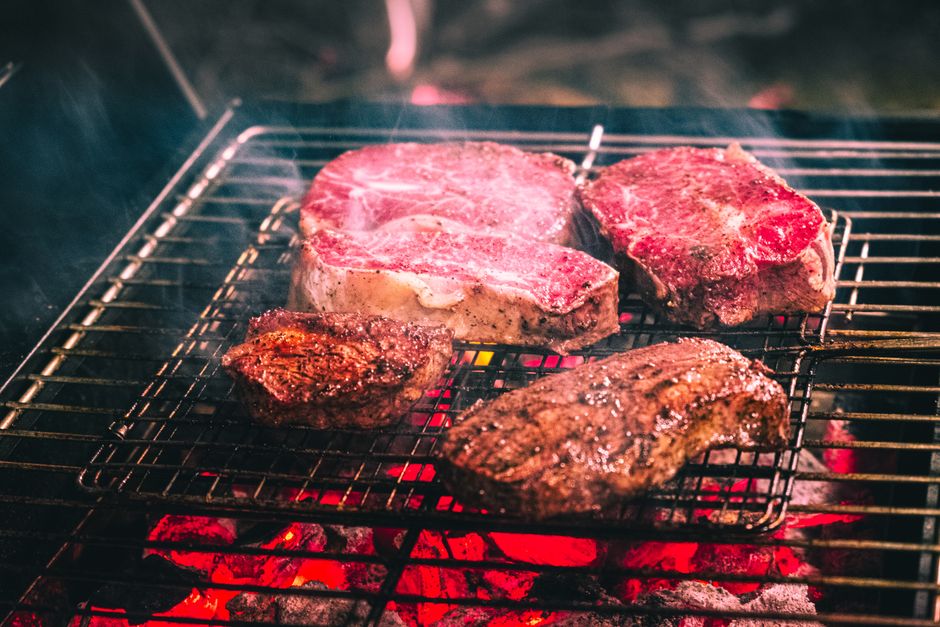
Red meat can trigger inflammation through several distinct biological pathways, and the strength of that effect depends heavily on how much you eat, how it is cooked, and what you eat alongside it. The main drivers are saturated fat, a molecule called Neu5Gc that humans do not naturally produce, heme iron, and compounds created when meat is cooked at high temperatures. Each of these can nudge the immune system toward a low-grade inflammatory state. That state, sustained over years, is linked to heart disease, type 2 diabetes, and other chronic conditions.
Why Red Meat Triggers Inflammation In Your Body?
The short answer is that red meat delivers several molecules your body treats as foreign or irritating, and the immune system responds with low-grade, persistent activation.
Start with saturated fat. Red meat is one of the largest sources of saturated fat in the typical American diet. Saturated fat can activate immune cells called macrophages through receptors that recognize it as a danger signal. When those receptors are switched on, the cells release inflammatory signaling proteins called cytokines. This is not a one-time event. If saturated fat keeps arriving with every meal, the signaling stays switched on.
Then there is Neu5Gc. This is a sugar molecule found on the cells of most mammals, including cows and pigs. Humans lost the ability to make it roughly two to three million years ago. When you eat red meat, your body absorbs small amounts of Neu5Gc and incorporates it into your own tissues. Your immune system sees it as foreign and makes antibodies against it. Those antibodies can then attack your own tissues where Neu5Gc has been deposited, producing a chronic, simmering immune reaction.
Heme iron adds another layer. This is the form of iron found in red meat, and it is absorbed far more efficiently than the iron in plants. That sounds good, but heme iron can also catalyze reactions that produce free radicals and oxidative stress. Oxidative stress damages cells and triggers inflammatory repair responses.
Finally, cooking method matters. Grilling, pan-frying, and broiling meat at high temperatures produces compounds called heterocyclic amines and polycyclic aromatic hydrocarbons. These are formed when amino acids and creatine in muscle meat react under intense heat. They are recognized as DNA-damaging agents, and they provoke an inflammatory response in the gut and beyond.
Does Everyone React the Same Way to Red Meat?
No. The inflammatory response to red meat varies widely between people, and some of that variation is genetic.
One clear example is the alpha-gal syndrome. Some people develop an allergy to a carbohydrate called galactose-alpha-1,3-galactose, which is found in mammalian meat. This allergy is strongly associated with tick bites, particularly from the lone star tick. For those people, eating red meat can trigger a serious allergic reaction, not just low-grade inflammation. This is a distinct immune response, not the same process as the chronic low-grade inflammation described above.
Genetic differences also affect how efficiently people process saturated fat and heme iron. Some people carry versions of genes that make them more prone to iron overload, which can amplify oxidative stress. Others have variations in inflammatory signaling genes that make them more or less reactive to the same dietary load.
The gut microbiome is another variable. Red meat can shift the balance of gut bacteria toward species that produce more inflammatory compounds, including a molecule called trimethylamine N-oxide, or TMAO. TMAO is produced when gut bacteria metabolize certain nutrients abundant in red meat, including carnitine and choline. Higher TMAO levels have been associated with increased cardiovascular risk in multiple studies, though the exact causal role is still being investigated.
So while the mechanisms are general, the intensity of the response is not. Two people can eat the same steak and have very different inflammatory outcomes.
How Much Red Meat Is Linked to Inflammation?
The relationship is dose-dependent, meaning more red meat generally means more inflammation, but there is no single threshold that applies to everyone.
Large observational studies have consistently found that people who eat more red meat tend to have higher levels of inflammatory markers like C-reactive protein and interleukin-6. These are not small differences. In some studies, the highest consumers of red meat had inflammatory marker levels that were meaningfully higher than those who ate little or none.
What is less clear is exactly how much is too much. Dietary guidelines in the United States recommend limiting saturated fat to less than 10 percent of daily calories, and red meat is a major source of saturated fat for many people. The American Institute for Cancer Research recommends limiting red meat to no more than 18 ounces (about 510 grams) per week and avoiding processed meats entirely. That recommendation is based on cancer risk, not inflammation specifically, but the two are connected.
Processed meats — bacon, sausage, hot dogs, deli meats — appear to be more strongly linked to inflammation and chronic disease than unprocessed red meat. This is likely because processing adds nitrates, nitrites, and other compounds that can promote oxidative stress and inflammation. The World Health Organization classifies processed meat as a Group 1 carcinogen, meaning there is strong evidence it causes cancer in humans. Unprocessed red meat is classified as Group 2A, meaning it is probably carcinogenic.
It is worth noting that many studies on red meat and inflammation are observational. They show associations, not proof of cause and effect. People who eat a lot of red meat may also eat fewer vegetables, exercise less, or smoke more. Researchers try to control for these factors, but they cannot eliminate all of them.





What About Grass-Fed or Lean Red Meat?
Grass-fed and lean red meat are often marketed as healthier options, and there is some truth to that, but the difference is smaller than many people assume.
Grass-fed beef tends to have a slightly better fatty acid profile than grain-fed beef. It contains more omega-3 fatty acids and fewer omega-6 fatty acids, which could theoretically reduce inflammation. However, the absolute amounts are small. The omega-3 content in grass-fed beef is still far lower than what you would get from a serving of salmon. Whether that difference is enough to meaningfully change inflammatory markers in humans is not well established.
Lean red meat has less saturated fat, which reduces one of the inflammatory triggers. But it still contains heme iron and Neu5Gc. It still produces heterocyclic amines and polycyclic aromatic hydrocarbons when cooked at high heat. So switching to lean or grass-fed meat may reduce the inflammatory load somewhat, but it does not eliminate it.
No large human trials have confirmed that grass-fed beef produces meaningfully lower inflammation than conventional beef. The evidence here is limited. If you enjoy red meat and want to reduce your inflammatory exposure, choosing leaner cuts and cooking them at lower temperatures with moist heat — braising, stewing, steaming — is a more reliable strategy than simply switching to grass-fed.
Does Cooking Method Change the Inflammatory Effect?
Yes, and this is one of the most practical levers you have.
High-temperature cooking methods — grilling, pan-frying, broiling, and charring — produce the highest levels of heterocyclic amines and polycyclic aromatic hydrocarbons. These compounds are formed when creatine, amino acids, and sugars in meat react under intense heat. The longer and hotter the cooking, the more of them are produced.
Lower-temperature, moist cooking methods produce far fewer of these compounds. Braising, stewing, boiling, and steaming keep the meat below the temperature threshold where these reactions accelerate. Marinating meat before cooking can also reduce their formation, possibly because the marinade creates a barrier or because acidic ingredients like lemon juice or vinegar alter the chemistry at the surface.
Another practical step is to avoid charring and to trim away burnt or blackened portions. The blackened bits contain the highest concentrations of these compounds.
It is also worth noting that what you eat with red meat matters. A meal that includes red meat alongside vegetables, whole grains, and legumes will have a different inflammatory profile than a meal of red meat alone. Fiber, polyphenols, and other plant compounds can modulate the inflammatory response. This does not cancel out the effect of the meat, but it can reduce it.
Can You Reduce Inflammation Without Giving Up Red Meat?
Yes, for most people, reducing frequency and amount is more realistic and probably more effective than aiming for zero.
The evidence does not support the idea that you must eliminate red meat entirely to reduce inflammation. What it does support is that eating less of it, choosing leaner cuts, cooking it more gently, and pairing it with plant foods can all lower the inflammatory impact.
Here is what the research generally supports:
- Eat red meat less often. Going from daily to a few times a week is a meaningful change.
- Keep portions moderate. A serving size of about 3 to 4 ounces (85 to 113 grams) is a reasonable target for most adults.
- Choose lean cuts and trim visible fat.
- Use moist, lower-temperature cooking methods.
- Avoid processed meats as much as possible.
- Fill at least half your plate with vegetables, fruits, whole grains, or legumes.
- Consider fish, poultry, beans, or lentils as alternative protein sources more often.
None of these steps is a guarantee. They are risk-reduction strategies, not cures. Some people may still have elevated inflammatory markers even with these changes, and some may not. Individual variation is real.
If you have a chronic inflammatory condition, heart disease, diabetes, or a family history of these conditions, talk to your doctor about what dietary pattern makes sense for you. The evidence on red meat and inflammation is strong enough to justify reducing intake for most people, but it is not strong enough to say exactly how much reduction produces exactly what benefit for exactly whom.
Frequently Asked Questions
Does red meat cause inflammation immediately?
Some inflammatory signaling can increase within hours of eating a high-fat, high-heme-iron meal, but the chronic low-grade inflammation linked to disease develops over months and years of repeated exposure. A single meal is not going to cause lasting harm in an otherwise healthy person.
Is chicken or fish less inflammatory than red meat?
Generally yes. Poultry and fish tend to produce less inflammatory signaling than red meat, partly because they contain less saturated fat and heme iron. Fish is particularly notable because it contains omega-3 fatty acids, which have anti-inflammatory effects.
Does grass-fed beef cause less inflammation than regular beef?
The evidence is limited. Grass-fed beef has a slightly better fatty acid profile, but no large human trials have confirmed it produces meaningfully lower inflammation than conventional beef. Cooking method and portion size likely matter more.
Can I reverse inflammation from red meat by eating more vegetables?
Eating more vegetables, fruits, whole grains, and legumes can reduce inflammatory markers, but it does not fully cancel out the effect of a high red meat intake. The most reliable approach is to reduce red meat while increasing plant foods, not one or the other.
