
Poppi is not caffeine free. A standard 12-ounce can of Poppi contains 15 milligrams of caffeine, which comes from the added green coffee bean extract. This is significantly less than a cup of coffee, but it is still a measurable amount of stimulant that you should account for if you are sensitive to caffeine or tracking your daily intake.
How Much Caffeine Is Actually in Poppi?
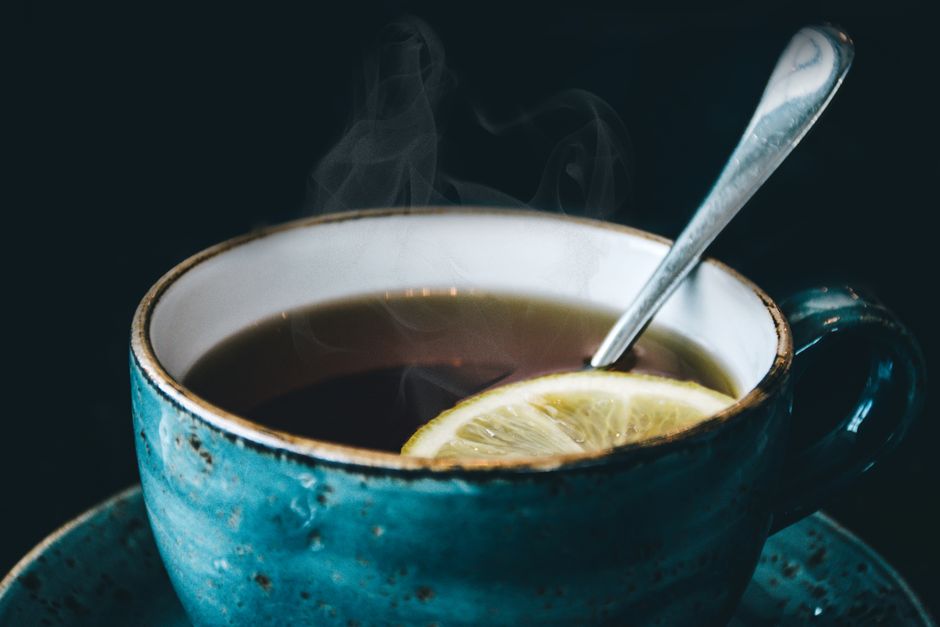
Each 12-ounce can of Poppi contains 15 milligrams of caffeine. For comparison, a standard 8-ounce cup of brewed coffee contains roughly 95 milligrams of caffeine. A typical 12-ounce can of Diet Coke contains about 46 milligrams.
This puts Poppi on the lower end of the caffeinated beverage spectrum. It is closer to a light green tea than a soda or coffee. The caffeine source is green coffee bean extract, which is added during production rather than occurring naturally in the fruit-based ingredients.
Why Does Poppi Contain Caffeine at All?
Poppi is marketed as a gut-health soda. The primary ingredients are fruit juice, apple cider vinegar, and prebiotics. The caffeine is not a functional ingredient for the gut claims. It is added for flavor and energy appeal.
Some consumers assume that because a product is fruit-based and positioned as a wellness drink, it is automatically caffeine free. That assumption is incorrect for Poppi. The brand does not hide the caffeine content, but it is easy to miss if you are scanning the front label rather than the nutrition facts panel.
Is 15 Milligrams of Caffeine Enough to Affect You?
For most adults, 15 milligrams of caffeine is a very small amount. The FDA has cited 400 milligrams per day as a level not generally associated with dangerous effects for healthy adults. That means one can of Poppi represents less than 4 percent of that daily threshold.
However, individual sensitivity varies widely. Some people experience jitteriness, anxiety, or sleep disruption from even small amounts of caffeine. If you are one of those people, 15 milligrams can matter.
Pregnant women are often advised to limit caffeine to under 200 milligrams per day. One can of Poppi fits comfortably within that limit, but it still counts toward your total. If you are drinking multiple caffeinated beverages throughout the day, Poppi contributes to the cumulative total.



How Poppi Compares to Other Beverages
Understanding where Poppi sits on the caffeine spectrum helps you make informed choices. Here is a direct comparison of common beverages:
| Beverage | Serving Size | Approximate Caffeine |
|---|---|---|
| Brewed coffee | 8 oz | 95 mg |
| Black tea | 8 oz | 47 mg |
| Green tea | 8 oz | 28 mg |
| Diet Coke | 12 oz | 46 mg |
| Poppi | 12 oz | 15 mg |
| Decaf coffee | 8 oz | 2 mg |
Caffeine amounts in tea and coffee can vary based on brewing time and brand. The values above are standard reference figures used in nutritional databases.
Does the Caffeine Interfere With Poppi’s Gut Health Claims?
Poppi contains prebiotics and apple cider vinegar. The brand claims these ingredients support digestive health. The caffeine itself does not directly interfere with those ingredients.
Some research suggests that caffeine can stimulate gastric acid secretion and increase gut motility. For some people, this can cause stomach discomfort or loose stools. For others, it has no noticeable effect. The evidence on caffeine and gut health is mixed, and individual responses vary considerably.
If you are drinking Poppi specifically for digestive benefits and are sensitive to caffeine, you may want to consider whether the small stimulant dose affects your system. There is no clinical evidence that 15 milligrams of caffeine undermines the prebiotic content of the drink.
Who Should Be Careful With Poppi’s Caffeine?
Most healthy adults can consume Poppi without concern. The caffeine content is low enough that it rarely causes problems on its own. But some groups should pay closer attention.
People with anxiety disorders or panic disorder often have lower tolerance for stimulants. Even small amounts of caffeine can trigger symptoms. If you fall into this category, you may want to avoid Poppi or limit it to occasional use.
People taking certain medications should also be aware. Some antibiotics, antidepressants, and heart medications can interact with caffeine by slowing its breakdown in the body. This can prolong the effects of even a small dose. If you take prescription medication, ask your pharmacist whether caffeine interacts with anything you take.
Children and adolescents are more sensitive to caffeine than adults. The American Academy of Pediatrics advises against caffeine for children. Poppi is not marketed to children, but it is a sweet, fruit-flavored drink that a child might want. Keep it out of reach if you have kids.
Is There a Caffeine Free Version of Poppi?
No. Currently, all flavors of Poppi contain the same 15 milligrams of caffeine per can. The company does not offer a caffeine free line.
If you want the prebiotic soda experience without caffeine, you have a few options. Some competing brands in the prebiotic soda category are caffeine free, but you need to check each label individually because formulations vary by flavor. Alternatively, you can look for other sparkling prebiotic beverages that explicitly state “caffeine free” on the packaging.
How to Read the Label Correctly
The caffeine content in Poppi appears on the nutrition facts panel. It is listed as 15 milligrams per 12-ounce serving. The ingredient list includes green coffee bean extract, which is the caffeine source.
One common mistake is confusing “green coffee bean extract” with something that is naturally caffeine free. Green coffee beans are simply unroasted coffee beans. They contain caffeine just like roasted beans do. The roasting process does not create caffeine. It only changes the flavor.
If you are checking any beverage for caffeine, look for the actual milligram amount on the nutrition label. Terms like “natural energy” or “plant-based” do not mean caffeine free.
What Happens if You Drink Poppi Late in the Day?
For most people, 15 milligrams of caffeine in the evening will not disrupt sleep. The caffeine half-life in a healthy adult is roughly 5 to 6 hours. That means half of the caffeine is still in your system 5 to 6 hours after you drink it.
If you drink a can of Poppi at 8 PM, about 7.5 milligrams of caffeine remains in your body at 2 AM. That is a small amount, but it can still matter for poor sleepers. People who are highly sensitive to caffeine or who struggle with insomnia may want to treat Poppi like any other caffeinated beverage and avoid it in the hours before bed.
Bottom Line on Poppi and Caffeine
Poppi is a lightly caffeinated beverage. At 15 milligrams per can, it is nowhere near the caffeine level of coffee or standard soda. For most healthy adults, this amount is negligible in terms of health risk.
The caffeine is not hidden. It is listed on the label and comes from green coffee bean extract. If you are caffeine sensitive, pregnant, taking certain medications, or giving drinks to children, account for this 15 milligrams like you would any other source of caffeine.
Poppi is not caffeine free, and no flavor currently available changes that fact.
Frequently Asked Questions
Does Poppi have caffeine in every flavor?
Yes, every Poppi flavor contains 15 milligrams of caffeine per 12-ounce can. The company does not currently offer a caffeine free version.
Is 15 mg of caffeine in Poppi a lot?
No, 15 milligrams is a small amount compared to coffee at about 95 milligrams per cup. It is roughly half the caffeine of a can of Diet Coke.
Can I drink Poppi while pregnant?
Most pregnancy guidelines allow up to 200 milligrams of caffeine per day, so one can of Poppi fits within that limit. But the caffeine does count toward your total daily intake.
Why is there caffeine in a fruit-based soda?
Poppi adds green coffee bean extract as a caffeine source. The caffeine is not from the fruit ingredients and is included for energy appeal rather than the gut health formula.
