
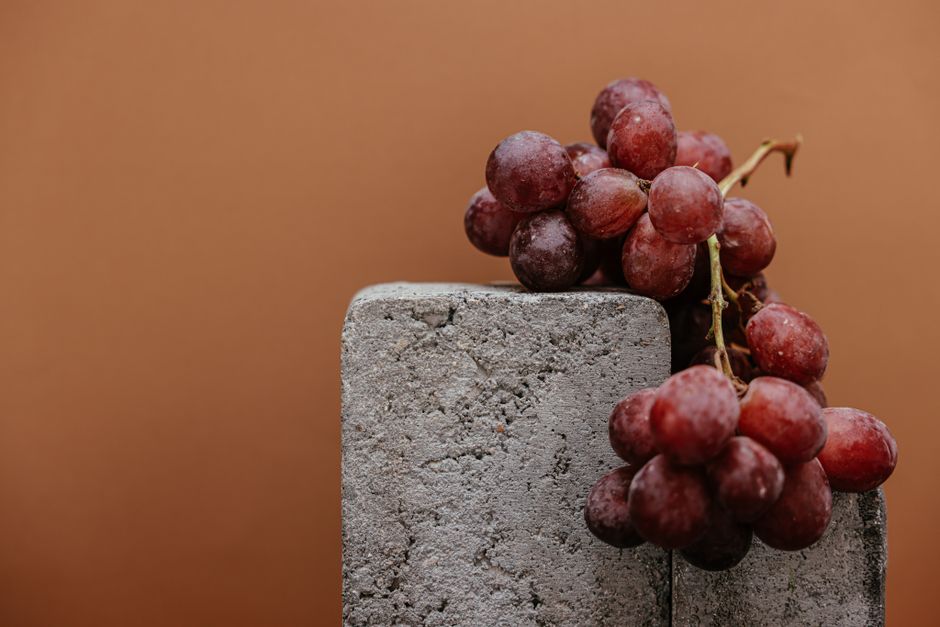
Grape must is the freshly pressed juice of grapes, including the skins, seeds, and sometimes stems. It is the starting point for nearly all wine, and it is also used to make vinegar, grape syrup, and certain traditional foods. The word “must” comes from the Latin vinum mustum, meaning young wine.
If you have ever crushed a grape and watched the liquid run out, you have seen must. The difference is scale and intent. Winemakers press tons of grapes at once and treat that juice carefully because everything that happens next — flavor, color, alcohol level — depends on what is in the must from the start.
What Is Grape Must Used For Wine Food More?
Grape must is used to make wine, vinegar, grape syrup, and a small number of traditional foods. It is also used in some commercial products as a sweetener or flavoring. The same liquid can become very different things depending on how it is handled.
For wine, must is fermented. Yeast converts the sugars in the juice into alcohol and carbon dioxide. Red wine is typically fermented with the skins still in the must, which is where color and tannin come from. White wine is usually pressed first so the juice ferments without extended skin contact. Rosé sits somewhere in between, with limited skin contact before pressing.
For vinegar, must is fermented twice. First the sugars become alcohol, then bacteria convert that alcohol into acetic acid. This is how traditional wine vinegar and some balsamic-style products are made.
For food, grape must shows up most often as a sweetener. In parts of Italy and France, cooked-down grape must is used to make syrups and traditional condiments. In Turkey and the Balkans, a boiled must syrup called pekmez is eaten with bread or stirred into yogurt. These are regional foods, not widely distributed commercial products.
How Is Grape Must Different From Grape Juice?
Grape must and grape juice are not the same thing, though they overlap. Must is the raw pressed product of winemaking — it contains skins, seeds, pulp, and whatever yeast and bacteria came in on the grapes. Grape juice sold in stores is usually filtered, pasteurized, and sometimes sweetened or diluted.
The key differences:
- Composition: Must includes solids and naturally present microorganisms. Commercial juice is clarified and treated to remove or inactivate them.
- Stability: Must begins fermenting on its own within hours to days unless treated. Juice is stabilized so it stays shelf-stable.
- Intended use: Must is an intermediate product meant to be transformed. Juice is a finished product meant to be drunk.
One thing worth clarifying: “must” is not a grade of quality. It just describes the stage. A must can be excellent or poor depending on the grapes.
What Happens During Fermentation of Grape Must?
Fermentation is the process that turns grape must into wine. It is driven mainly by yeast, which consumes sugar and produces alcohol and carbon dioxide. This is well-established biochemistry, not a marketing claim.
Several things happen at once:
- Sugar drops as yeast consumes it. Fermentation typically continues until either the sugar runs out or the alcohol level becomes high enough to stop the yeast.
- Alcohol rises. Most table wines finish somewhere between roughly 11% and 14% alcohol by volume, though this varies by grape, region, and style.
- Color and tannin extract from the skins if they are present. This is why red wine gets its deep color and white wine does not.
- Aroma compounds develop. Many of the flavors we associate with wine are created during fermentation, not present in the grape itself.
Temperature matters. Cooler fermentations tend to preserve fruitier aromas. Warmer fermentations extract more color and tannin. Winemakers adjust this depending on the style they want.
Not all must ferments with added yeast. Some winemakers rely on the yeast naturally present on grape skins, called wild or native fermentation. This is common in certain traditional wine regions. The results can be less predictable than using a selected yeast strain.





Is Grape Must Used in Anything Besides Wine and Vinegar?
Yes, though the uses are narrower than most people realize. Grape must appears in a handful of traditional foods and a few commercial products.
Grape syrup and pekmez. Must is boiled down until it thickens into a syrup. This concentrates the sugars and darkens the color. In Turkey, pekmez is a traditional sweetener. In Italy, saba or mosto cotto is used on cheese, in desserts, and in some regional dishes.
Mustard. The word “mustard” comes from the Latin mustum ardens, meaning “burning must.” Originally, ground mustard seeds were mixed with grape must to make a paste. Most modern commercial mustard uses vinegar or water instead, so the grape must connection is largely historical.
Sweeteners and flavorings. Some food products list grape must concentrate as an ingredient. It functions as a sweetener and can add color. This is not the same as grape juice concentrate, though they are related.
Animal feed. Leftover must from winemaking, called pomace, is sometimes used as feed or composted. This is a byproduct use, not a food use.
What grape must is not used for: it is not a supplement, not a health tonic, and not a recognized medical treatment. Some products market grape extracts for various health purposes, but those are different from must and the evidence for most of those claims is limited.
Does Grape Must Have Any Nutritional Value?
Grape must contains sugars, water, some vitamins and minerals from the grapes, and plant compounds called polyphenols. The polyphenol content is higher in must than in finished wine because many of these compounds are altered or removed during fermentation and aging.
That said, must is not typically consumed as a nutritional product. It is an industrial intermediate. When it is eaten, it is usually in the form of a concentrated syrup, which is mostly sugar.
Grape must is not a meaningful source of protein, fat, or fiber. Its main contribution to the diet, when consumed at all, is sugar and whatever trace compounds survive processing.
If you see claims that grape must or grape extracts “support” various health outcomes, treat those with caution. Some research on grape polyphenols exists, but it is mostly preliminary. No clinical guidelines recommend grape must for any health purpose.
Is Grape Must Safe to Drink?
Fresh grape must is generally safe to drink in small amounts, but it is not a beverage most people would enjoy. It is very sweet and begins fermenting quickly.
The main safety considerations:
- Fermentation: Untreated must will start producing alcohol within days. This is not a safety issue in itself, but it means the product changes fast.
- Microbial growth: Because must is rich in sugar and moisture, it can support the growth of unwanted microorganisms if not handled properly. Commercial winemaking manages this carefully.
- Sulfites: Many winemakers add sulfites to must to control fermentation and prevent spoilage. People with sulfite sensitivity should be aware of this.
There are no established clinical guidelines for drinking raw grape must. It is not a regulated food product in most places. If you encounter it, it is usually as part of a traditional food process, not as something sold for direct consumption.
For pregnant women, infants, and children, no clinical guidelines exist for grape must consumption. It should not be treated as a beverage for these groups.
Why Does Grape Must Matter to Winemakers?
Grape must is the single most important variable a winemaker controls. The quality of the must determines the ceiling of what the final wine can be. You cannot make great wine from poor must.
Winemakers assess must before fermentation begins. They measure sugar levels to estimate potential alcohol. They check acidity, because too little acid makes a flat wine and too much makes it sharp. They look at color and tannin in red must to decide how long to leave the skins in contact.
They also decide whether to add anything. Common additions include yeast, yeast nutrients, acid, sugar (in some regions and styles), and sulfites. Each of these changes the final product.
The point is that must is not passive. It is a living, changing material, and the decisions made in the first hours and days after pressing have a large effect on what ends up in the bottle.
Frequently Asked Questions
What is grape must made of?
Grape must is the freshly pressed juice of grapes, including skins, seeds, and sometimes stems. It contains water, sugars, acids, and naturally present yeast and bacteria.
Can you drink grape must?
Fresh grape must is generally safe to drink in small amounts, but it is very sweet and begins fermenting quickly. It is not typically sold or consumed as a beverage.
Is grape must the same as wine?
No. Grape must is the raw material that becomes wine after fermentation. Wine is the finished product of that process.
What foods contain grape must?
Grape must is used in traditional syrups like pekmez and saba, and historically in mustard. Some commercial products list grape must concentrate as a sweetener or coloring ingredient.
