
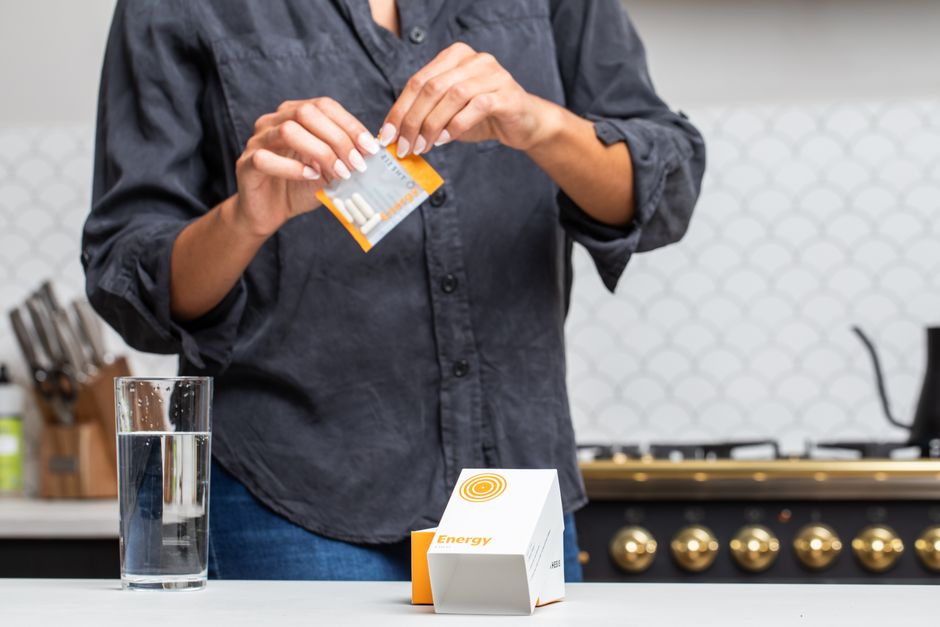
Honey packets are single-serving pouches of honey used for sweetening food and drinks, and increasingly, for minor first aid. In food service, they are the familiar staple next to tea and oatmeal. In medicine, the same honey, when processed to medical standards, is used on wounds because of its natural antibacterial properties. The key difference is that food-grade honey packets and medical-grade honey are not always the same product, and understanding that distinction matters for how you use them.
What Are Honey Packets Used For In Food And Beverages?
Honey packets are primarily a convenience product. Restaurants, cafeterias, and hotels stock them for customers who want to sweeten hot tea, coffee, or oatmeal without using sugar. They are also common at breakfast buffets and in takeout orders.
The main appeal is portion control. A standard honey packet contains roughly one teaspoon of honey, which is about 21 calories and 6 grams of sugar. That makes it easy to track how much you are adding to your food, unlike a honey bear bottle where you might pour more than you intended.
Honey is sweeter than table sugar, so less of it is needed to achieve the same level of sweetness. This is why some people prefer it as a sugar substitute in beverages. However, honey and sugar have very similar effects on blood glucose. For people managing diabetes, honey is not a free pass — it still raises blood sugar and should be counted as sugar in the diet.
Can You Use Regular Honey Packets For First Aid?
This is where caution is needed. Food-grade honey packets are not approved for medical use. Medical-grade honey is sterilized by gamma irradiation to eliminate bacterial spores, including Clostridium botulinum, which can cause a serious illness, especially in infants.
Raw or unprocessed honey can contain spores that are harmless when eaten by healthy older children and adults but dangerous on open wounds or for anyone with a weakened immune system. Using a food-service honey packet on a cut is not the same as applying a medical honey dressing.
That said, the active ingredient in medical honey is the same honey you eat. The difference is the sterilization process and the controlled production standards. If you are considering honey for wound care, the safe approach is to buy honey explicitly labeled as medical-grade or manuka honey with a documented UMF rating, and follow the product instructions.
What Does Medical-Grade Honey Actually Do On A Wound?
Medical honey works through several mechanisms. Its high sugar content draws fluid out of the wound through osmosis, which helps clean the wound surface. It is also naturally acidic, with a pH around 3.5 to 4.5, and that acidity creates an environment where many bacteria struggle to survive.
Honey also contains hydrogen peroxide in very low amounts, produced by an enzyme bees add to the nectar. This provides a gentle, continuous antibacterial effect that does not damage healthy tissue the way stronger antiseptics can.
Clinical studies have shown that medical honey can be effective on burns, surgical wounds, and chronic ulcers that are not healing well. Some research suggests it may be as effective as standard dressings for certain wound types, though results vary by wound and by the specific honey product used.
Medical honey is not a replacement for professional care in serious wounds. Deep wounds, wounds with signs of infection like spreading redness or fever, and wounds that do not improve within a few days need medical evaluation.



Is Honey Good For A Sore Throat Or Cough?
Yes, evidence supports honey for cough and sore throat relief in adults and children over one year old. Research has found that honey can be as effective as some over-the-counter cough suppressants for nighttime cough, particularly in children.
The proposed mechanism is that honey coats the throat, creating a soothing film. It also has mild antimicrobial properties that may help with throat irritation, though the primary effect is likely the physical coating rather than killing bacteria.
A common home remedy is one to two teaspoons of honey in warm water or tea. For children, the American Academy of Pediatrics has suggested honey for cough in children older than one year, but parents should confirm current dosing guidance with their pediatrician.
Never give honey to infants under 12 months of age. This is a firm rule because of the risk of infant botulism, a rare but potentially fatal condition caused by spores in honey.
How Long Does An Opened Honey Packet Stay Good?
Honey is one of the few foods that does not spoil under normal conditions. Its low moisture content and natural acidity prevent most microorganisms from growing. Archaeologists have found edible honey in ancient Egyptian tombs that was thousands of years old.
But an opened honey packet is different from a sealed jar. Once exposed to air and moisture, honey can absorb water, which raises its moisture content and makes fermentation possible. It can also pick up contaminants from your hands or environment.
For practical purposes, an opened honey packet should be used within a day or two. Because packets are designed for single use, there is rarely a reason to store them opened. If honey crystallizes, that is a natural process and not a sign of spoilage. Warming it gently restores its liquid form.
Are There Any Risks To Eating Honey Packets?
For most healthy adults, honey is safe in normal food amounts. The main concerns are added sugar intake and the rare possibility of allergic reaction to pollen or bee proteins. People with severe bee sting allergies should be cautious, though honey allergy is not the same as sting allergy.
Honey is considered an added sugar by dietary guidelines. The American Heart Association recommends limiting added sugar to no more than 6 teaspoons per day for women and 9 teaspoons for men. A single honey packet contains about one teaspoon of sugar, so it counts toward that daily limit.
Some imported honey has been found to contain antibiotics or pesticides in testing by regulatory agencies. Choosing honey from reputable brands that follow food safety standards reduces this risk. Local honey is not automatically safer, but it comes with more transparency about the source.
What Is The Difference Between Raw Honey And Regular Honey Packets?
Raw honey is honey that has not been heated above natural hive temperatures or finely filtered. It retains more pollen and some beneficial compounds that can be reduced by processing. Regular honey in most packets has been pasteurized and filtered for clarity and to prevent crystallization.
Neither raw nor regular honey is automatically better for you. Pasteurization does not significantly change the sugar composition or calorie content. The main difference is that raw honey may retain more of the natural plant compounds that have antioxidant properties, but the amounts are small and not a reason to consume large quantities.
For wound care, raw honey is not recommended because it has not been sterilized. For eating, both raw and regular honey are fine options. The choice comes down to personal preference for taste and texture.
What Are Honey Packets Used For Beyond Food And Minor First Aid?
Honey packets have some practical uses beyond the obvious. Runners and endurance athletes sometimes use them as a quick source of carbohydrate during long events. A single packet provides easily digestible glucose and fructose that can be absorbed quickly.
In skincare, honey is an ingredient in many commercial masks and cleansers because of its humectant properties — it attracts and retains moisture. Some people apply food honey directly to their face as a DIY mask, but this is not clinically studied for efficacy, and it can cause irritation for people with pollen allergies.
Honey is also used in some traditional remedies for minor mouth ulcers or canker sores. The same soothing and antimicrobial properties that apply to the throat may help here, though clinical evidence is limited.
Frequently Asked Questions
Can I put a regular honey packet on a cut?
No, food-grade honey packets are not sterilized and can contain bacterial spores that are dangerous on open wounds. Use honey labeled as medical-grade for wound care.
How much honey is in one honey packet?
A standard honey packet contains about one teaspoon, which equals roughly 21 calories and 6 grams of sugar. Portion sizes can vary slightly by brand.
Is honey safe for a one-year-old?
Honey is safe for children over 12 months of age, but never give honey to infants younger than one year due to the risk of infant botulism.
Does honey actually help with coughs?
Yes, research shows honey can be as effective as some over-the-counter cough suppressants for nighttime cough in adults and children over one year old. One to two teaspoons before bed is a common approach.
