
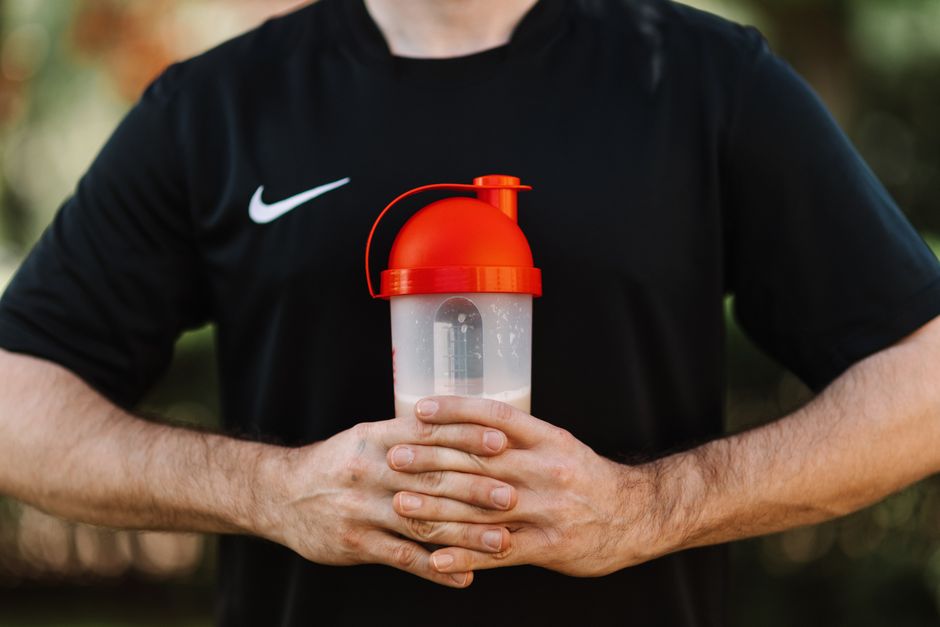
Protein is the building block your body uses to repair and rebuild muscle tissue after exercise. For most healthy adults trying to build muscle, a daily protein intake of about 1.6 to 2.2 grams per kilogram of body weight is the evidence-based target. That translates to roughly 0.7 to 1 gram of protein per pound of body weight each day. This range is supported by decades of sports nutrition research and represents the point where additional protein stops providing meaningful muscle-building benefits for most people.
What Is the Recommended Daily Protein Intake for Muscle Growth?
Research consistently shows that total daily protein intake matters more than the timing of when you eat it. The current evidence points to a target of 1.6 to 2.2 grams per kilogram of body weight per day for individuals actively training to build muscle. This is the range where muscle protein synthesis — the process that builds new muscle tissue — reaches its peak response.
To put that in practical terms, a person weighing 80 kilograms (about 176 pounds) would need between 128 and 176 grams of protein daily. This assumes you are doing resistance training at least three to four times per week. If you are not training, your protein needs are lower, typically around 0.8 grams per kilogram, which is the general dietary recommendation for healthy adults.
Going above 2.2 grams per kilogram does not appear to provide additional muscle-building benefits for most people. Some research suggests that higher intakes may be useful during aggressive cutting phases or for very lean athletes, but this is not a general recommendation.
How Much Protein Per Meal Supports Muscle Building?
Your body does not process all the protein you eat in a day at once. It responds to protein intake in doses, and each dose stimulates muscle protein synthesis for a few hours. Studies indicate that a single meal containing 20 to 40 grams of high-quality protein is enough to maximally stimulate muscle protein synthesis in most adults.
Eating more than that in one sitting does not necessarily waste the protein, but it does not add extra muscle-building benefit. The extra amino acids may be used for energy or other bodily functions. This is why spreading your protein across three to five meals per day is the most effective strategy for muscle growth.
For a typical adult, that means aiming for roughly 30 to 40 grams of protein at each main meal. This could look like a chicken breast with rice, a tofu stir-fry, or a protein shake with a meal. Consistency across the day matters more than hitting a perfect number at every single meal.
Does Protein Timing Matter for Muscle Growth?
There was a time when the “anabolic window” — a short period after exercise when protein intake was thought to be critical — dominated fitness advice. The current evidence suggests this window is wider than previously believed. Eating protein within a few hours after your workout is beneficial, but it does not need to be within 30 minutes.
What matters most is your total daily intake. If you meet your daily protein target, the exact timing relative to your workout is a minor factor. That said, having a meal or shake with 20 to 40 grams of protein within two hours after training is a practical habit that supports recovery.
One area where timing does matter is before sleep. Your body repairs muscle while you rest, and having a slow-digesting protein source like cottage cheese or Greek yogurt before bed can provide amino acids throughout the night. Some studies suggest this supports overnight muscle protein synthesis, though the overall effect is modest compared to total daily intake.


What Are the Best Protein Sources for Building Muscle?
Protein quality depends on its amino acid profile, specifically the presence of all nine essential amino acids. Animal-based proteins like chicken, beef, fish, eggs, and dairy are complete proteins because they contain all essential amino acids in adequate amounts. They also tend to be rich in leucine, the amino acid that most directly triggers muscle protein synthesis.
Plant-based proteins can also support muscle growth, but they require more attention. Most plant proteins are incomplete, meaning they lack one or more essential amino acids. Combining different plant sources — like beans with rice or peanut butter with whole-grain bread — can provide a complete amino acid profile. Soy and pea protein are exceptions and are complete on their own.
Whey protein remains one of the most studied and effective protein supplements. It digests quickly and contains high levels of leucine. Casein, the other main dairy protein, digests more slowly and is often taken before bed. These supplements are convenient but not essential if you meet your protein needs through food.
Do You Need More Protein as You Age?
Yes. As you get older, your muscles become less responsive to protein — a condition called anabolic resistance. Research suggests that older adults may need a higher protein intake to achieve the same muscle-building response as younger people.
Many experts recommend that adults over 60 aim for the upper end of the range, around 2.0 to 2.2 grams per kilogram of body weight. This becomes especially important if you are trying to prevent age-related muscle loss, known as sarcopenia. Resistance training combined with adequate protein is the most effective strategy for preserving muscle mass as you age.
Older adults may also need to spread protein more evenly across meals. Eating a moderate amount of protein at each meal — rather than a small breakfast and a large dinner — appears to support muscle maintenance better in this population.
Can Eating Too Much Protein Be Harmful?
For healthy individuals, high protein intake is generally safe. The concern that protein damages kidneys is largely a myth for people with normal kidney function. Your kidneys are designed to handle the byproducts of protein metabolism, and healthy kidneys adapt to higher protein intakes without harm.
The situation is different for people with existing kidney disease. If you have chronic kidney disease or reduced kidney function, high protein intake can worsen the condition. If you have a known kidney condition, you should discuss your protein needs with your doctor before increasing your intake.
One practical issue with very high protein intake is that it can crowd out other nutrients. If you fill your plate with chicken and eggs but skip vegetables, fruits, and whole grains, you miss out on fiber, vitamins, and antioxidants that support overall health. A balanced diet with adequate protein — not excessive protein — is the goal.
How Much Protein Do You Need If You Are Overweight?
Protein recommendations for muscle growth are based on body weight, but this creates a question for people who are overweight or obese. If you calculate protein needs based on total body weight, you may end up with a very high target. Most experts recommend using lean body mass or an adjusted body weight instead.
A practical approach is to aim for about 1.6 to 2.2 grams per kilogram of your target body weight or your lean mass, not your current total weight. For example, if you weigh 100 kilograms but have a lean mass of 70 kilograms, your protein target would be 112 to 154 grams per day, not 160 to 220 grams.
This matters because excess body fat does not increase your muscle’s protein needs. Using total body weight would overestimate your requirements and make your diet unnecessarily restrictive. A registered dietitian can help you calculate the right target for your specific situation.
Frequently Asked Questions
Can I build muscle without eating extra protein?
No, not effectively. Your body needs a consistent supply of amino acids to repair and build muscle tissue, and training without adequate protein limits your results.
Is it better to get protein from food or supplements?
Food is generally better because it provides additional nutrients, but supplements are a convenient way to fill gaps when you cannot meet your needs through meals alone.
How quickly after a workout should I eat protein?
Eating protein within two hours after your workout is a reasonable guideline, but your total daily intake matters far more than precise timing.
Does protein powder cause weight gain?
Protein powder alone does not cause weight gain, but consuming more calories than you burn — from any source — will lead to weight gain over time.
