
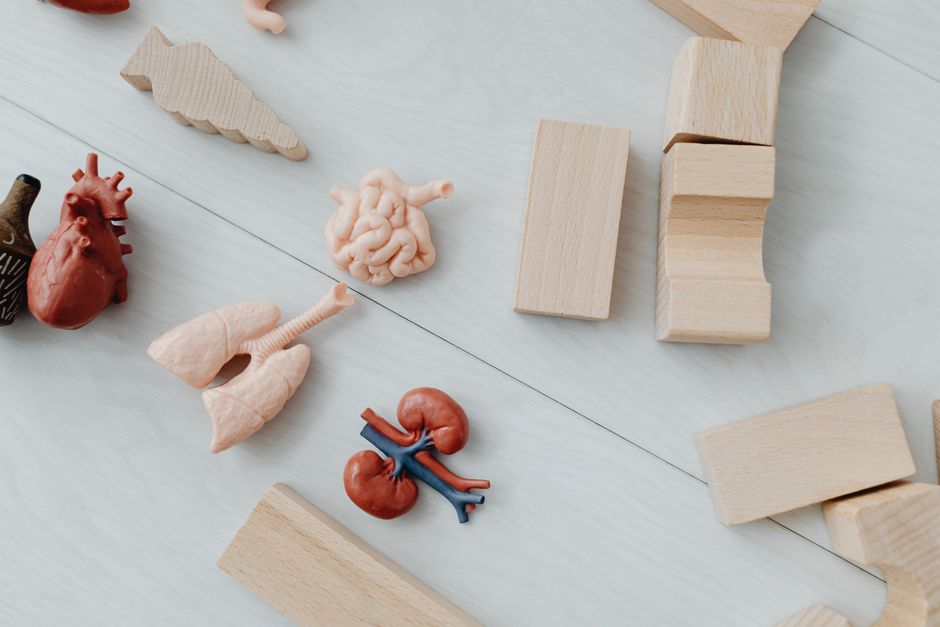
Kidney health comes down to protecting two fist-sized organs that filter about 150 quarts of blood every day. The kidneys remove waste, balance fluids, regulate blood pressure, and keep electrolytes like sodium and potassium in check. What is good for kidneys is any habit that reduces strain on these filters — mainly steady hydration, controlled blood pressure, a balanced diet, and avoiding excess salt, sugar, and certain medications.
What Is Good For Kidneys? Definition
Good kidney care means supporting the organs’ natural filtering work without overloading them. The kidneys process everything you eat, drink, and take as medicine. When they are healthy, they adjust quickly to changes in diet and fluid intake. When they are stressed, even small mistakes can compound over time.
The most direct definition: good for kidneys means maintaining normal blood flow, stable blood pressure, and balanced blood sugar while limiting substances that force the kidneys to work harder than necessary. This includes drinking enough water, eating whole foods, and avoiding chronic use of pain relievers like NSAIDs without medical supervision.
How Much Water Do Your Kidneys Actually Need?
Water is the most common answer people give for kidney health, and it is partially correct. The kidneys need enough fluid to produce urine and flush out waste products like urea and creatinine. But the idea that everyone needs eight glasses a day is not backed by precise science.
The National Academies of Sciences, Engineering, and Medicine sets general daily fluid intake at about 15.5 cups for men and 11.5 cups for women. That includes water from food and other beverages. Most people meet their needs by drinking when thirsty and consuming fluids with meals.
Dark yellow urine often signals mild dehydration. Clear or light yellow urine usually means hydration is adequate. For people with kidney disease, fluid needs may be different. Some people with advanced kidney failure actually need to limit fluids, so more is not always better.
What Foods Protect Kidney Function?
A diet that supports kidney health looks a lot like a standard heart-healthy diet. That makes sense because the kidneys and cardiovascular system are tightly connected. High blood pressure damages kidney blood vessels over time, and kidney disease increases cardiovascular risk.
- Whole fruits and vegetables — provide potassium, which helps counterbalance sodium, though people with advanced kidney disease may need to limit potassium
- Whole grains — supply fiber and B vitamins without excess phosphorus additives
- Lean proteins — fish, poultry, eggs, and plant proteins like beans and lentils
- Healthy fats — olive oil, avocados, and nuts in moderate amounts
- Low-fat dairy — calcium and vitamin D without excessive saturated fat
Some research suggests that a plant-forward diet reduces the risk of developing chronic kidney disease. The DASH diet, originally designed for blood pressure, is often recommended for kidney health because it emphasizes vegetables, fruits, whole grains, and low sodium.
What you avoid matters as much as what you eat. Ultra-processed foods are typically high in sodium, phosphorus additives, and refined sugars. Phosphorus additives in processed foods are absorbed more completely than natural phosphorus, and excess phosphorus can harm kidneys over time.





How Does Salt Affect Your Kidneys?
Sodium is the single most important dietary factor for kidney health. When you eat salt, your kidneys work to excrete the excess. To do that, they hold onto water, which raises blood volume and blood pressure. Over years, elevated blood pressure damages the tiny blood vessels inside the kidneys called glomeruli.
The American Heart Association recommends limiting sodium to no more than 2,300 milligrams per day, with an ideal limit of 1,500 milligrams for most adults. The average American consumes about 3,400 milligrams daily. Most of that comes from restaurant meals and packaged foods, not the salt shaker.
Reducing sodium lowers blood pressure in most people, and even modest reductions can slow the progression of existing kidney disease. Reading nutrition labels and cooking at home are the two most effective strategies for cutting sodium.
Can You Prevent Kidney Stones With Diet?
Kidney stones affect about one in ten people at some point in life. The most common type is calcium oxalate, and diet plays a significant role in prevention. The single best prevention is drinking enough water to produce at least 2 to 2.5 liters of urine per day.
For calcium oxalate stones, the common advice to avoid calcium is wrong. Dietary calcium binds to oxalate in the gut and prevents it from being absorbed. Low-calcium diets can actually increase stone risk. Getting calcium from food sources like dairy, leafy greens, and fortified plant milks is protective.
Limiting sodium and animal protein also reduces stone risk. High sodium increases calcium in urine. High animal protein increases uric acid and reduces urinary citrate, a natural stone inhibitor.
Some people benefit from limiting high-oxalate foods like spinach, rhubarb, beets, and almonds. But this only matters for people who have already formed calcium oxalate stones. For everyone else, a normal varied diet with plenty of fluids is sufficient.
What Medications Harm Your Kidneys?
Nonsteroidal anti-inflammatory drugs — ibuprofen, naproxen, and prescription versions — are the most common cause of medication-related kidney damage. These drugs reduce blood flow to the kidneys by blocking prostaglandins, which help dilate kidney blood vessels. In healthy people, occasional use is fine. Chronic daily use can cause permanent damage.
Acetaminophen is generally safer for kidneys but can cause liver damage at high doses. Always follow the dosing instructions on the label.
Other medications that require kidney monitoring include certain blood pressure drugs called ACE inhibitors and ARBs, diuretics, and some antibiotics. These are not harmful when prescribed appropriately — they protect kidney function in many cases. The risk comes from taking them without medical supervision or with dehydration.
Contrast dye used in CT scans and some imaging procedures can also affect kidneys. People with known kidney disease should tell their doctor before any imaging study that involves contrast.
What Health Conditions Damage Kidneys Most?
Diabetes is the leading cause of kidney failure. High blood sugar damages the small blood vessels in the glomeruli over time. About one in three adults with diabetes has chronic kidney disease. Keeping blood sugar controlled — typically measured by an A1c under 7 percent — significantly slows this damage.
High blood pressure is the second leading cause. Blood pressure above 130/80 mmHg puts strain on kidney blood vessels. The kidneys also help regulate blood pressure, so damage to the kidneys makes blood pressure worse, creating a downward spiral.
Other conditions that affect kidney health include autoimmune diseases like lupus, recurrent kidney infections, enlarged prostate in men, and polycystic kidney disease, which is genetic. Regular blood and urine tests can detect early kidney damage before symptoms appear.
How Do You Know Your Kidneys Are Healthy?
Kidney disease often has no symptoms until it is advanced. That is why testing matters. Two simple tests give a clear picture of kidney function.
The first is a blood test for creatinine, which measures how well the kidneys filter waste. The estimated glomerular filtration rate, or eGFR, is calculated from creatinine level, age, and sex. A normal eGFR is 90 or above. Below 60 for three months or longer indicates chronic kidney disease.
The second is a urine test for albumin, a protein that should not pass through healthy kidney filters. Albumin in urine is an early sign of kidney damage, often appearing before blood tests change.
People with diabetes, high blood pressure, a family history of kidney disease, or age over 60 should have these tests at least annually. Everyone else should have them as part of routine blood work.
Does Exercise Help Your Kidneys?
Regular physical activity improves blood pressure, blood sugar control, and cardiovascular fitness — all of which protect kidney function. The kidneys receive about 20 percent of cardiac output, so healthy circulation directly supports them.
Moderate exercise like brisk walking, swimming, or cycling for 150 minutes per week is a reasonable target. No specific exercise is uniquely good for kidneys. The benefit comes from overall cardiovascular conditioning.
One caution: intense exercise in extreme heat without adequate fluids can cause dehydration and temporary kidney stress. This is usually reversible but can be serious in people with existing kidney problems. Staying hydrated during prolonged exertion matters.
Frequently Asked Questions
What is the best drink for kidney health?
Plain water is the best drink for kidney health. Unsweetened tea and coffee also count toward fluid intake, but sugary drinks like soda and fruit juice add unnecessary calories and can increase kidney stone risk.
Is cranberry juice good for your kidneys?
Cranberry juice is not specifically beneficial for kidney health. It is sometimes used to prevent urinary tract infections, but it does not treat or prevent kidney disease.
Can drinking more water prevent kidney disease?
Adequate hydration helps prevent kidney stones and may reduce the risk of chronic kidney disease, but it cannot reverse existing damage. Water alone does not treat high blood pressure or diabetes, the two leading causes of kidney failure.
Are eggs bad for your kidneys?
Eggs are a good protein source for most people with healthy kidneys. People with advanced kidney disease may need to limit protein overall, but eggs themselves are not harmful when consumed in normal amounts.
