
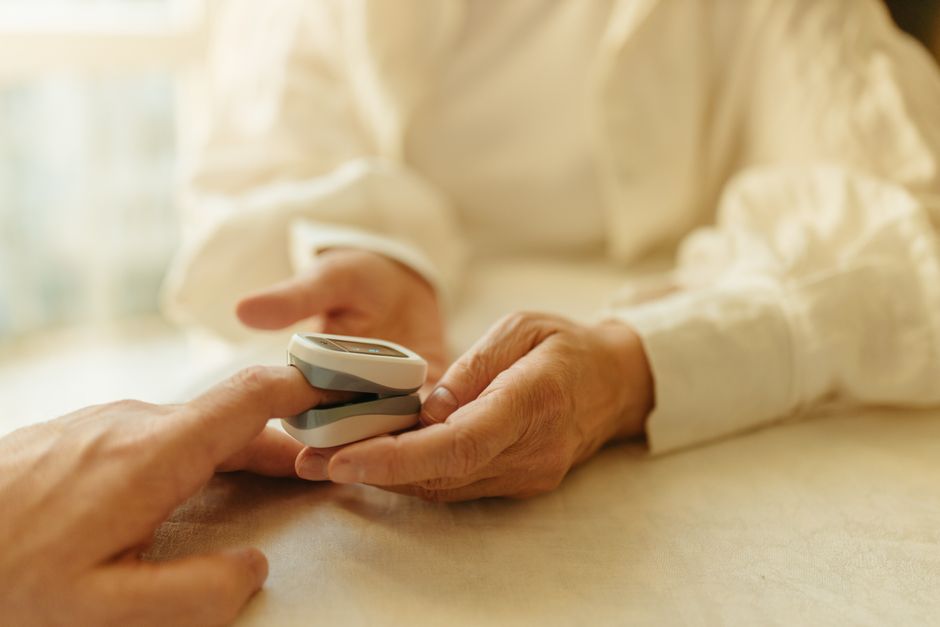
Hemoglobin is a protein inside red blood cells that carries oxygen from your lungs to the rest of your body. A normal hemoglobin level means your body is getting enough oxygen to function properly. For most adults, a normal hemoglobin range is 13.5 to 17.5 grams per deciliter (g/dL) for men and 12.0 to 15.5 g/dL for women, though labs may vary slightly.
What Is Normal Hemoglobin Level? Definition
Hemoglobin levels are measured with a simple blood test called a complete blood count (CBC). The test reports how much hemoglobin is in a deciliter of blood. Doctors use this number to check for anemia, which is when hemoglobin is too low, or polycythemia, when it is too high.
Normal ranges differ by age and sex. Men generally have higher levels because testosterone stimulates red blood cell production. Women of childbearing age typically have lower levels due to menstrual blood loss. After menopause, women’s levels rise and become closer to men’s.
What Are the Normal Hemoglobin Ranges by Age and Sex?
Reference ranges come from large population studies and represent the values seen in healthy people. Different laboratories may use slightly different ranges, but the following are widely accepted standards.
| Group | Normal Hemoglobin Range (g/dL) |
|---|---|
| Adult men | 13.5–17.5 |
| Adult women | 12.0–15.5 |
| Pregnant women | 11.0–14.0 |
| Children (1–6 years) | 9.5–14.0 |
| Children (6–12 years) | 11.5–15.5 |
| Teen boys (12–18 years) | 13.0–16.0 |
| Teen girls (12–18 years) | 12.0–16.0 |
Newborns have much higher hemoglobin levels, often between 14 and 24 g/dL, because they need extra oxygen-carrying capacity during birth. These levels drop naturally over the first few months of life.
What Happens When Hemoglobin Is Too Low?
Low hemoglobin is called anemia. When your hemoglobin drops below the normal range, your tissues receive less oxygen. This causes symptoms like fatigue, weakness, pale skin, shortness of breath, dizziness, and cold hands or feet.
Anemia has many causes. Iron deficiency is the most common worldwide. Your body needs iron to make hemoglobin, so without enough iron, production slows. Other causes include vitamin B12 or folate deficiency, chronic kidney disease, autoimmune conditions, and blood loss from heavy menstruation or internal bleeding.
Mild anemia may cause no symptoms at all. It is often found during routine blood work. More severe anemia requires medical evaluation to identify the underlying cause. Treatment depends entirely on why the anemia developed.




What Happens When Hemoglobin Is Too High?
High hemoglobin, called polycythemia, is less common than anemia but still significant. When hemoglobin levels are too high, the blood becomes thicker. This increases the risk of blood clots, stroke, and heart attack.
High hemoglobin can result from dehydration, which artificially concentrates the blood. It can also occur from smoking, living at high altitude, or using performance-enhancing drugs like erythropoietin. Some people have a bone marrow condition called polycythemia vera, where the body produces too many red blood cells.
Treatment for high hemoglobin depends on the cause. If dehydration is the culprit, fluids may correct it. For polycythemia vera, doctors may recommend regular blood removal, called phlebotomy, to reduce blood thickness.
What Factors Affect Hemoglobin Levels?
Several everyday factors can shift your hemoglobin level without indicating disease. Understanding these helps you interpret your lab results accurately.
- Hydration status: Dehydration concentrates the blood and can falsely raise hemoglobin. Overhydration can dilute it and falsely lower it.
- Smoking: Carbon monoxide from cigarettes binds to hemoglobin more readily than oxygen. The body compensates by producing more red blood cells, raising hemoglobin levels.
- Altitude: At higher elevations, oxygen is thinner. The body adapts by producing more hemoglobin to carry oxygen more efficiently.
- Medications: Certain drugs, including some chemotherapy agents and HIV medications, can lower hemoglobin. Erythropoietin injections raise it.
- Pregnancy: Blood volume increases during pregnancy, diluting hemoglobin. Lower levels are normal and expected, which is why pregnancy has its own reference range.
- Chronic disease: Conditions like rheumatoid arthritis, kidney disease, and cancer can cause anemia of chronic disease, where inflammation interferes with red blood cell production.
How Is Hemoglobin Measured?
Hemoglobin is measured through a standard blood draw. A healthcare provider takes a small sample of blood from a vein in your arm. The sample is sent to a laboratory where a machine measures the hemoglobin concentration.
No special preparation is needed for a hemoglobin test alone. If your doctor orders a fasting blood test at the same time, you will need to avoid food and drink for 8 to 12 hours beforehand.
Results are typically available within a few hours to a day. Your doctor will interpret the number in context with your symptoms, medical history, and other blood test results.
When Should You See a Doctor About Hemoglobin Levels?
You should see a doctor if you experience persistent symptoms that could indicate abnormal hemoglobin levels. Fatigue that interferes with daily life, unexplained shortness of breath, or noticeable paleness all warrant evaluation.
If you have a known condition that affects hemoglobin, such as kidney disease or an autoimmune disorder, regular monitoring is important. Your doctor will tell you how often to check your levels.
Do not attempt to self-diagnose or self-treat based on hemoglobin numbers alone. Iron supplements, for example, are not harmless. Taking iron when you do not need it can cause constipation, nausea, and in rare cases, iron overload, which damages organs.
Can Diet Change Hemoglobin Levels?
Diet can influence hemoglobin levels, but only when a deficiency exists. Eating iron-rich foods like red meat, beans, lentils, and fortified cereals helps maintain adequate iron stores. Vitamin C enhances iron absorption, so pairing iron-rich foods with citrus fruits or bell peppers is helpful.
For people with iron deficiency anemia, dietary changes alone may not be enough. Oral iron supplements are often needed to restore levels to normal. This is a decision to make with your doctor, who can determine the right dose based on your specific deficiency.
Vitamin B12 and folate are also necessary for red blood cell production. Good sources include meat, fish, dairy, and leafy green vegetables. Vegans and vegetarians should pay attention to B12 intake, as it is found almost exclusively in animal products.
What Is the Difference Between Hemoglobin and Hematocrit?
Hemoglobin and hematocrit are related but different measurements. Hemoglobin measures the actual protein in your blood. Hematocrit measures the percentage of your blood volume that is made up of red blood cells.
Both tests are part of a CBC and are used together to evaluate red blood cell status. They generally rise and fall together. A low hemoglobin usually accompanies a low hematocrit, and vice versa.
Doctors look at both numbers, along with red blood cell count and size, to determine the type of anemia. For example, small red blood cells suggest iron deficiency, while large red blood cells suggest B12 or folate deficiency.
Frequently Asked Questions
What is a dangerous hemoglobin level?
Hemoglobin below 7 g/dL is considered severe and may require blood transfusion, while levels above 20 g/dL are dangerously high and carry serious clot risk. Any level outside the normal range warrants medical evaluation.
Can you raise hemoglobin levels quickly?
No, hemoglobin levels change slowly over weeks, not days. Iron supplements for deficiency typically take 2 to 4 weeks to show measurable improvement.
Does drinking water affect hemoglobin test results?
Yes, severe dehydration can falsely raise hemoglobin, and excessive water intake can falsely lower it. Normal hydration before a blood test gives the most accurate result.
Is hemoglobin 12.5 normal for a woman?
Yes, 12.5 g/dL falls within the normal range for adult women, which is 12.0 to 15.5 g/dL. However, your doctor will interpret this number in the context of your symptoms and other lab values.
