
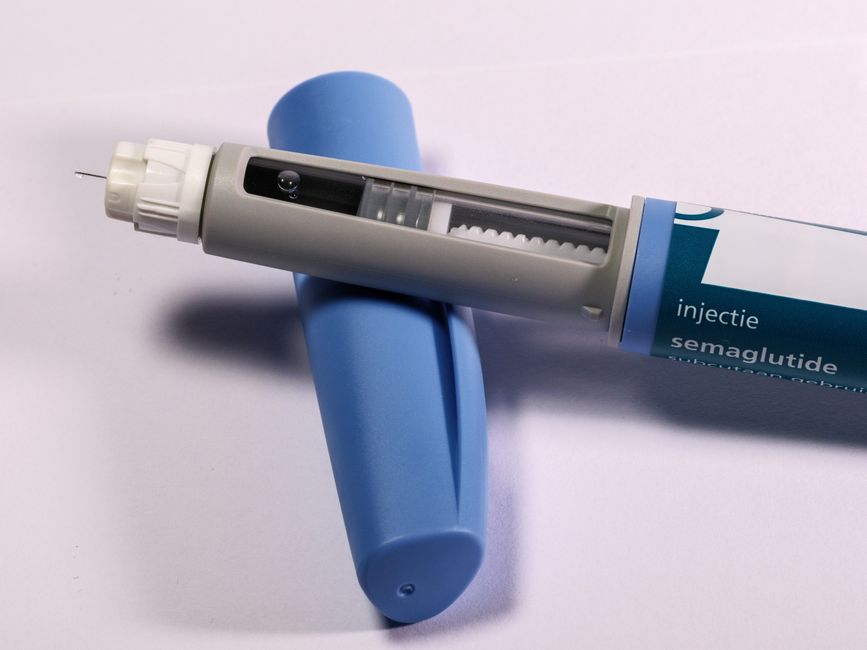
Glucagon-like peptide-1, often shortened to GLP-1, is a naturally occurring hormone your body produces in the gut. It is released after you eat and plays a central role in regulating blood sugar and appetite. This single hormone helps signal the pancreas to release insulin, slows down how quickly food leaves your stomach, and communicates with your brain to tell you that you feel full.
What Is Glucagon-Like Peptide-1? Definition and Basic Function
GLP-1 is an incretin hormone. Incretins are hormones made in the digestive tract that stimulate the pancreas to release insulin in response to food. The amount of insulin released after a meal is significantly higher when glucose enters through the gut than when it is given by injection, and GLP-1 is a major reason for that difference.
Your body releases GLP-1 from specialized cells in the small intestine within minutes of eating. It acts quickly and is broken down by an enzyme called DPP-4 just as quickly. The active form of the hormone lasts only a few minutes in the bloodstream, yet that short window is enough to trigger important effects across several organs.
The actions of GLP-1 are broad. It increases insulin secretion when blood sugar is high, suppresses the release of glucagon (a hormone that raises blood sugar), slows stomach emptying, and reduces appetite by acting on the brain. These combined effects help keep blood glucose levels stable after meals and influence how much food you eat.
How Does GLP-1 Work in the Body?
GLP-1 works by binding to specific receptors found on the surface of cells in the pancreas, brain, stomach, and other tissues. When the hormone attaches to these receptors, it triggers a cascade of signals inside the cell that produce its effects.
In the pancreas, GLP-1 does two main things. It tells beta cells to release more insulin, but only when glucose levels are elevated. This glucose-dependent action is important because it reduces the risk of dangerously low blood sugar. It also tells alpha cells to reduce the release of glucagon, which lowers the amount of glucose the liver produces.
In the brain, GLP-1 acts on areas that control appetite and food intake. It increases feelings of fullness and reduces hunger signals. This is why GLP-1-based medications are associated with weight loss, not just improved blood sugar control.
In the stomach, GLP-1 slows the rate at which food moves into the small intestine. This slower digestion means glucose enters the bloodstream more gradually, which helps prevent sharp spikes in blood sugar after meals. It also contributes to the feeling of being full for longer.
Why Is GLP-1 Important for Blood Sugar Control?
Blood sugar regulation depends on a balance between insulin, which lowers glucose, and glucagon, which raises it. GLP-1 supports both sides of this balance in a coordinated way.
After a meal, blood glucose rises. GLP-1 amplifies the insulin response so that glucose is taken up by cells more efficiently. At the same time, it suppresses glucagon, preventing the liver from releasing stored glucose. The net result is a more controlled rise in blood sugar and a quicker return to normal levels.
This mechanism is particularly relevant for people with type 2 diabetes. In type 2 diabetes, the body becomes resistant to insulin and the normal incretin response is often impaired. Research has consistently shown that people with type 2 diabetes have reduced GLP-1 secretion after meals. This is one reason why medications that mimic GLP-1 or extend its activity have become a major treatment option for the condition.





What Are GLP-1 Receptor Agonists?
GLP-1 receptor agonists are medications that mimic the action of natural GLP-1. They bind to the same receptors and produce similar effects, but they are designed to resist breakdown by the DPP-4 enzyme, so they stay active in the body much longer than the natural hormone.
These medications were originally developed to treat type 2 diabetes. Multiple clinical trials have shown they lower hemoglobin A1c, which is a measure of average blood sugar over several months. They also reduce body weight, and this effect has made them increasingly popular as weight management treatments.
Some GLP-1 receptor agonists are taken as daily injections, others are weekly injections, and a few are available as oral tablets. Examples include semaglutide, liraglutide, and dulaglutide. These are prescription medications, and the specific choice depends on individual health needs, side effects, and insurance coverage.
It is important to understand that these medications are not the same as the natural hormone your body produces. They are synthetic analogs with a longer duration of action, and they have their own side effect profile. Common side effects include nausea, vomiting, diarrhea, and constipation. These symptoms often improve over time as the body adjusts.
How Does GLP-1 Affect Weight and Appetite?
The effect of GLP-1 on appetite is one of the reasons these medications have gained so much attention. GLP-1 acts on the hypothalamus and other brain regions involved in hunger regulation. It increases signals that promote satiety and decreases signals that promote hunger.
Slower stomach emptying also plays a role. When food stays in the stomach longer, you feel full sooner and the feeling lasts longer. This combination of brain and stomach effects leads to reduced calorie intake in most people taking GLP-1 receptor agonists.
Clinical trials of GLP-1 receptor agonists for weight management have shown meaningful weight loss in many participants, though results vary significantly between individuals. Some people lose a substantial amount of weight, while others lose little. The medications are not a substitute for dietary changes and physical activity, but they can be an effective tool when used appropriately.
Weight regain is common after stopping these medications. The appetite-suppressing effect fades when the drug is discontinued, and many people regain much of the weight they lost. This is an important consideration for anyone thinking about using these medications long-term.
What Happens When GLP-1 Signaling Is Impaired?
When GLP-1 signaling does not work properly, the effects on blood sugar and appetite are diminished. In people with type 2 diabetes and in many people with obesity, the normal GLP-1 response to a meal is blunted. This contributes to higher post-meal blood sugar levels and weaker satiety signals.
Impaired GLP-1 signaling is not the sole cause of type 2 diabetes or obesity. These conditions are complex and involve multiple hormonal, genetic, and environmental factors. But the reduced GLP-1 response is a measurable part of the problem, which is why restoring or amplifying GLP-1 activity has become a therapeutic target.
Lifestyle factors also influence GLP-1 secretion. Some research suggests that certain dietary patterns, such as meals higher in protein or fiber, may stimulate greater GLP-1 release than meals high in refined carbohydrates. The evidence here is not strong enough to make specific dietary prescriptions, but it does suggest that food choices can influence incretin hormone responses.
Are There Natural Ways to Increase GLP-1?
Because GLP-1 is a natural hormone, people often ask whether diet or supplements can raise it. The short answer is that some foods and eating patterns appear to influence GLP-1 secretion, but the effects are modest compared to medications.
Protein-rich meals tend to stimulate more GLP-1 release than meals high in fat or carbohydrates. Fiber also appears to play a role, partly because fermentation of fiber in the gut produces short-chain fatty acids that can stimulate GLP-1 secretion. Eating slowly and chewing thoroughly may also affect the rate of nutrient absorption and incretin release.
Exercise has been studied for its effect on GLP-1. Some studies show an acute increase in GLP-1 during and immediately after exercise, but the long-term effect on resting GLP-1 levels is less clear. The evidence is mixed, and no specific exercise prescription has been established for the purpose of raising GLP-1.
No dietary supplement has been proven to meaningfully increase GLP-1 levels in humans. Marketing claims about supplements that “boost GLP-1” are not supported by clinical evidence. If you are considering a supplement for blood sugar control or weight loss, be skeptical of these claims and discuss them with a healthcare provider.
What Are the Risks and Side Effects of GLP-1 Medications?
GLP-1 receptor agonists are generally well tolerated, but they are not without risks. Gastrointestinal side effects are the most common and include nausea, vomiting, diarrhea, and abdominal pain. These are most pronounced when starting the medication or increasing the dose, and they often diminish over time.
More serious but less common risks include pancreatitis, gallbladder disease, and a rare condition called gastroparesis, where stomach emptying becomes dangerously slow. There is also a boxed warning about a rare type of thyroid tumor that was seen in animal studies, though it is not clear whether this risk applies to humans.
These medications should only be used under medical supervision. They are not appropriate for everyone, and a healthcare provider needs to assess individual risks, existing medical conditions, and potential drug interactions before prescribing them.
Frequently Asked Questions
What is the main function of GLP-1?
The main function of GLP-1 is to help regulate blood sugar after meals by increasing insulin release and decreasing glucagon release. It also slows stomach emptying and reduces appetite.
Is GLP-1 the same as insulin?
No. GLP-1 is a hormone that stimulates insulin release, but it is not insulin itself. Insulin is a separate hormone produced by the pancreas that directly lowers blood sugar.
Can you increase GLP-1 naturally?
Eating protein-rich meals and consuming fiber may modestly increase GLP-1 secretion, and some studies show exercise causes a temporary rise. No supplement has been proven to meaningfully raise GLP-1 levels.
Do GLP-1 medications cause weight loss?
Yes, GLP-1 receptor agonists cause weight loss in many people by reducing appetite and slowing stomach emptying. The amount of weight loss varies significantly between individuals, and weight often returns after stopping the medication.
