
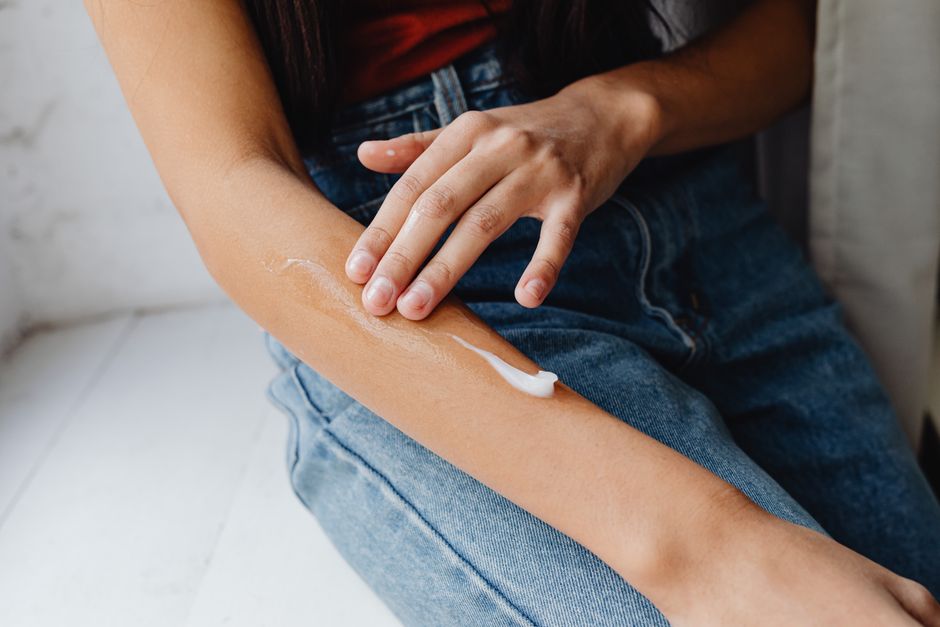
Itchy skin is one of those problems that seems simple until you are scratching at 2 AM. The short answer is that what works depends entirely on what is causing the itch. For most common cases of dry skin itch, a good moisturizer with ceramides or colloidal oatmeal is the best first step. For allergic reactions or inflammatory skin conditions like eczema, topical corticosteroids or antihistamines are often needed. The real trick is matching the treatment to the cause, and that is what this article covers without the hype.
What Actually Causes Itchy Skin?
Itch is a distinct nerve signal, not a milder version of pain. Research published in Science has identified specific nerve pathways that carry itch signals to the brain. When your skin barrier is damaged or inflamed, these nerves fire and tell you to scratch.
The most common causes are straightforward. Dry air strips moisture from the skin, especially in winter or in heated indoor spaces. Allergens like nickel, fragrances, or latex can trigger contact dermatitis. Skin conditions like eczema, psoriasis, and hives have their own itch mechanisms. Less common causes include kidney disease, liver problems, or certain medications. The American Academy of Dermatology notes that persistent itching without a visible rash warrants a medical checkup.
One non-obvious point: stress makes itch worse. Studies have found that psychological stress increases inflammation and lowers the threshold for itch perception. This is why the same dry skin can feel unbearable on a stressful day and barely noticeable on a calm one.
What Is Good For Itchy Skin Based on Research?
The strongest evidence supports moisturizers as the foundation of itch treatment. A 2020 review in the Journal of the European Academy of Dermatology and Venereology found that regular use of moisturizers reduces itch severity in dry skin and eczema. The key ingredients to look for are ceramides, colloidal oatmeal, and glycerin. These help repair the skin barrier and lock in moisture.
For inflammatory itch, topical corticosteroids are the standard. Hydrocortisone 1% is available over the counter and works well for mild eczema or bug bites. Stronger versions require a prescription. The National Eczema Association recommends using steroids only for short periods, typically one to two weeks, to avoid skin thinning.
Antihistamines help when the itch is caused by histamine release, which happens with hives, allergic reactions, and some bug bites. Cetirizine and loratadine are non-drowsy options. Diphenhydramine works but causes sedation, which can actually help with nighttime itching. For eczema, antihistamines are less effective because the itch is driven by inflammation, not histamine.
Cool compresses are a simple intervention with real evidence. Applying something cold to itchy skin numbs the nerve endings and reduces blood flow to the area, which lowers inflammation. The American Academy of Dermatology recommends this as a first-line treatment for acute itching.
What Does the Research Say About Natural Remedies?
Colloidal oatmeal has the best evidence among natural options. The FDA allows colloidal oatmeal to be marketed as a skin protectant. A 2015 study in the Journal of Drugs in Dermatology found that colloidal oatmeal lotion improved skin barrier function and reduced itch in people with dry skin. It works by creating a protective film and containing anti-inflammatory compounds called avenanthramides.
Aloe vera is widely claimed to help, but the evidence is mixed. Some small studies suggest it reduces inflammation, but larger trials are lacking. It is safe to try for mild sunburn itch, but do not expect dramatic results for eczema or dry skin.
Coconut oil is another common recommendation. Laboratory studies show it has antimicrobial properties, and some small human studies suggest it improves skin hydration. However, it can clog pores and worsen acne in people prone to breakouts. For body itch, it is reasonable to try. For facial itch, avoid it.
Apple cider vinegar has no clinical evidence supporting its use for itchy skin. In fact, it can irritate the skin and damage the barrier. Despite viral claims on social media, dermatologists consistently advise against it.




What to Avoid When Treating Itchy Skin
Scratching is the most obvious thing to avoid, but it is also the hardest. The problem is that scratching damages the skin barrier, which triggers more inflammation, which causes more itching. This is the itch-scratch cycle. Breaking it requires using treatments that stop the itch signal before you feel the urge to scratch.
Hot water feels good on itchy skin temporarily, but it makes things worse. Hot water strips natural oils from the skin and dilates blood vessels, which increases inflammation. The American Academy of Dermatology recommends lukewarm baths or showers for no more than 10 minutes.
Fragranced products are a common hidden trigger. Lotions, soaps, and laundry detergents with added fragrances can cause contact dermatitis in sensitive individuals. The National Eczema Society advises choosing fragrance-free products labeled as such, not just “unscented” which can still contain masking fragrances.
Wool and synthetic fabrics can irritate already sensitive skin. Cotton and bamboo are safer choices. Also, avoid long hot baths with bubble bath products, as these are designed to clean but can severely dry the skin.
| Treatment | Best For | Evidence Level |
|---|---|---|
| Moisturizers with ceramides | Dry skin, eczema | Strong |
| Colloidal oatmeal | Dry skin, mild eczema | Strong |
| Topical hydrocortisone | Eczema, bug bites, allergic rash | Strong |
| Oral antihistamines | Hives, allergic reactions | Strong |
| Cool compresses | Acute itching from any cause | Moderate |
| Coconut oil | Mild dry skin on body | Weak |
| Aloe vera | Sunburn itch | Weak |
| Apple cider vinegar | None supported | None |
When Should You See a Doctor for Itchy Skin?
Most itchy skin resolves with basic care. But some signs mean you need professional help. If the itching lasts more than two weeks despite consistent moisturizing and over-the-counter treatments, see a dermatologist. If the itch is severe enough to wake you from sleep or interfere with daily life, do not wait.
Rashes that are oozing, crusted, or spreading may indicate an infection that requires prescription treatment. The CDC reports that skin infections from scratching, especially staph infections, are common and can become serious if ignored.
Itching without any visible rash is a red flag. This can signal internal problems like liver disease, kidney failure, thyroid disorders, or certain cancers. A 2018 study in the Journal of the American Academy of Dermatology found that generalized itching without rash was associated with an increased risk of internal malignancy in older adults. If you have unexplained whole-body itching, get checked.
Also see a doctor if you have itching along with fatigue, weight loss, fever, or night sweats. These combinations suggest something beyond a skin problem.
What Is Good For Itchy Skin in Different Body Areas?
The scalp is a common trouble spot. Dandruff-based itching often responds to shampoos containing ketoconazole, selenium sulfide, or zinc pyrithione. For scalp eczema or psoriasis, a dermatologist may prescribe a topical steroid solution. Avoid scratching the scalp aggressively, as this can cause temporary hair loss.
The face requires extra care because the skin is thinner and more sensitive. Hydrocortisone 1% is safe for short-term use on the face, but the American Academy of Dermatology warns against using it around the eyes for more than a few days, as it can cause glaucoma or cataracts. A fragrance-free moisturizer with niacinamide is a gentler option for facial itch.
The groin and armpits are prone to fungal infections like jock itch. Antifungal creams containing clotrimazole or terbinafine are the appropriate treatment, not steroids. Using hydrocortisone on a fungal infection can make it worse by suppressing the immune response.
Hands and feet are frequently affected by contact dermatitis from soaps, metals, or footwear. Moisturizing after every hand wash is critical. For foot itch, check for athlete’s foot first, which requires antifungal treatment.
Common Misconceptions About Itchy Skin Treatments
One widespread myth is that antihistamines cure all itching. They only work for histamine-mediated itch, which is a minority of cases. Most dry skin itch and eczema itch are not histamine-driven. People take antihistamines for eczema, get no relief, and assume nothing works. The issue is wrong treatment, not untreatable itch.
Another myth is that expensive creams are better. A basic petrolatum-based moisturizer like plain petroleum jelly has decades of evidence supporting its effectiveness for dry skin. It costs a fraction of fancy creams. The key is consistency of use, not price.
Some people believe that scratching releases toxins from the skin. This is false. Scratching does not remove anything beneficial. It damages the skin barrier and increases inflammation. The relief you feel is temporary because scratching activates pain nerves that override the itch signal for a few seconds. Then the itch returns stronger.
Finally, many think that if a little steroid cream works, more will work better. This is dangerous. Overusing topical steroids causes skin thinning, stretch marks, and permanent damage. More is not better. Use the smallest amount that controls symptoms for the shortest time needed.
Frequently Asked Questions
Can drinking more water help itchy skin?
Drinking water does not directly hydrate the skin. The skin gets moisture from the environment and from topical products, not from what you drink.
Is Vaseline good for itchy skin?
Yes, petroleum jelly is an excellent occlusive moisturizer that seals in moisture and helps repair the skin barrier. It works best on damp skin after a shower.
Does oatmeal bath really stop itching?
Yes, colloidal oatmeal baths can reduce itching by forming a protective film on the skin and containing anti-inflammatory compounds. They are most effective for dry skin and mild eczema.
Can stress cause itchy skin without a rash?
Yes, stress can trigger or worsen itching even without visible skin changes. Stress increases inflammation and lowers the threshold for itch perception in the nervous system.
