
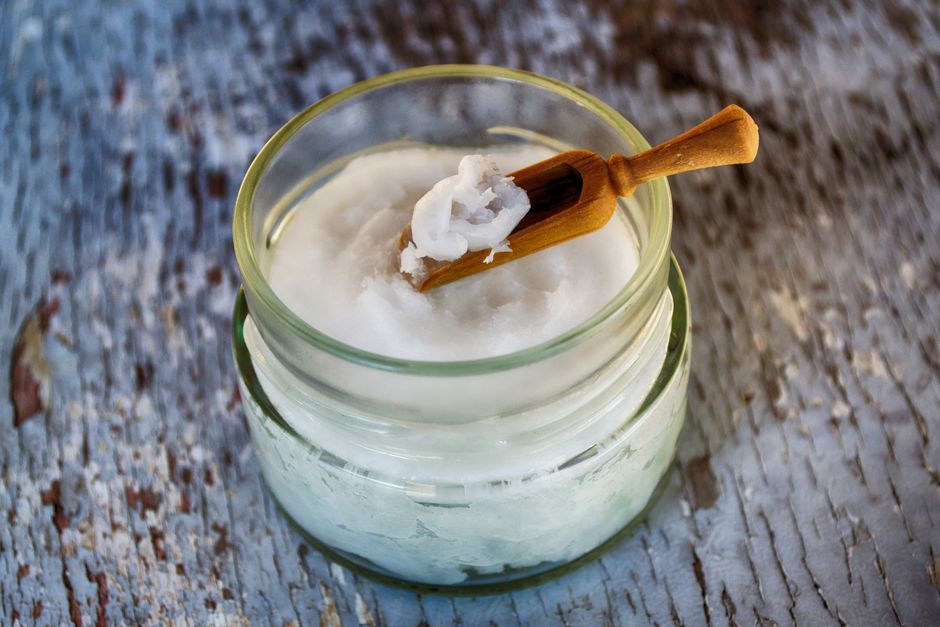
Itchy skin is one of the most common skin complaints, and it can disrupt sleep, focus, and daily comfort. The fastest way to help itchy skin is to identify the cause, stop the scratching cycle, and use targeted remedies like cool compresses, fragrance-free moisturizers, and short lukewarm showers. For persistent or severe itching, topical treatments and oral antihistamines can provide relief, but you should see a doctor if the itch lasts more than two weeks or comes with a rash, weight loss, or fever.
Why Does Skin Itch?
Itching is a signal from your nervous system that something is irritating your skin. The medical term is pruritus. When skin cells detect an irritant—like dry air, an allergen, or a bug bite—they release chemicals, including histamine. These chemicals trigger nerve endings in the skin, which send a message to the brain that translates into the urge to scratch.
Scratching provides temporary relief because it overrides the itch signal with a mild pain signal. But scratching also damages the skin barrier. This damage causes more inflammation, which leads to more itching. Breaking this itch-scratch cycle is the core of almost every treatment plan.
Common causes include dry skin, eczema, allergic reactions, insect bites, and irritants like soaps or detergents. In some cases, itching has no visible skin rash and may be linked to an internal condition like kidney disease, liver disease, or thyroid problems. If your skin itches without a rash, that warrants a medical evaluation.
What Is the Fastest Way to Stop Itching?
The fastest way to stop acute itching is to cool the skin and remove the trigger. A cold compress or ice pack wrapped in a towel applied for 10 to 15 minutes numbs the nerve endings and reduces blood flow to the area, which lowers inflammation. This works within minutes.
Taking a cool or lukewarm shower can also help, but avoid hot water. Hot water strips natural oils from the skin and can make itching worse afterward. Keep the shower to 5 to 10 minutes, and apply a fragrance-free moisturizer within three minutes of stepping out. This locks moisture into the skin and repairs the barrier.
For insect bites or allergic reactions, an over-the-counter hydrocortisone cream (1%) can reduce inflammation and stop the itch. Oral antihistamines like cetirizine or loratadine block histamine and work well for allergy-related itching. Some antihistamines, like diphenhydramine, cause drowsiness and can help if itching keeps you awake at night.
What Home Remedies Actually Work for Itchy Skin?
Several home remedies have real evidence behind them. Colloidal oatmeal baths are one of the best-studied options. The oatmeal contains compounds called avenanthramides, which have anti-inflammatory properties. Research has shown that colloidal oatmeal reduces itching and improves skin barrier function in people with eczema and dry skin.
To use it, add a cup of finely ground colloidal oatmeal to lukewarm bath water and soak for 10 to 15 minutes. Pat your skin dry with a towel—do not rub—and apply moisturizer immediately.
Baking soda is another common remedy. Adding half a cup to a bath can help soothe itching, though the evidence is less robust than for oatmeal. A paste made of baking soda and water can be applied directly to insect bites or poison ivy rashes for short-term relief.
Aloe vera gel is effective for sunburn-related itching because it contains compounds that reduce inflammation and promote healing. Use pure aloe vera gel, not products with added fragrances or alcohol, which can irritate the skin further.
Cooling menthol products—lotions or creams containing 1% to 3% menthol—activate cold-sensitive nerve receptors in the skin and can reduce itch sensation. These products work quickly but should not be used on broken skin.




How To Help Itchy Skin Remedies And Relief Tips for Dry Skin
Dry skin, or xerosis, is the most common cause of itching, especially in winter or in dry climates. When the skin lacks moisture, its outer layer cracks and becomes less effective as a barrier. This allows irritants in and moisture out, which triggers the itch response.
The most effective remedy for dry skin itching is a consistent moisturizing routine. Look for thick creams or ointments rather than lotions. Lotions contain more water and evaporate quickly. Creams and ointments contain more oil and provide longer-lasting protection.
Ingredients that help repair the skin barrier include ceramides, glycerin, hyaluronic acid, and petrolatum. Ceramides are lipids that occur naturally in the skin and help hold cells together. Petrolatum, the main ingredient in Vaseline, is one of the most effective occlusive agents—it forms a physical barrier that prevents water loss.
Apply moisturizer at least twice daily, and always after bathing or washing your hands. For very dry areas, apply a thicker layer and consider wearing cotton gloves or socks over the area to help the product absorb.
Humidifiers can help if your home air is dry. Keeping indoor humidity between 30% and 50% reduces moisture loss from the skin. This is especially helpful in bedrooms during winter months.
When Should You See a Doctor for Itchy Skin?
Most cases of itchy skin resolve with home care within a week or two. But some situations require medical attention. See a doctor if the itching lasts more than two weeks despite home treatment, if it covers your entire body, or if it is severe enough to interfere with sleep or daily activities.
Seek prompt medical care if itching is accompanied by any of the following:
- A rash that spreads rapidly or shows signs of infection like warmth, pus, or red streaks
- Unexplained weight loss or persistent fatigue
- Fever or night sweats
- Jaundice—yellowing of the skin or eyes
- Itching that started after starting a new medication
These symptoms can indicate an underlying condition that needs treatment. For example, persistent generalized itching without a rash can be a sign of liver disease, kidney disease, iron deficiency, or an overactive thyroid. A doctor can run blood tests to check for these conditions.
If you have severe eczema that does not respond to over-the-counter treatments, a dermatologist can prescribe stronger topical medications or phototherapy. Prescription options include higher-strength corticosteroids, calcineurin inhibitors like tacrolimus, and newer biologic medications that target specific immune pathways.
What Makes Itching Worse?
Several everyday habits can worsen itching without you realizing it. Hot showers and baths are a major culprit. Heat dilates blood vessels and increases blood flow to the skin, which stimulates nerve endings and intensifies the itch. Stick to lukewarm water.
Wool and synthetic fabrics can irritate sensitive skin. Wear loose-fitting clothing made of cotton or bamboo. Cotton is breathable and allows air to circulate, which reduces sweating and friction.
Stress is another factor. Psychological stress increases levels of cortisol and activates immune cells in the skin, which can trigger or worsen itching. This is well-documented in people with eczema and psoriasis. Stress management techniques like deep breathing, meditation, or regular exercise may help reduce itch severity.
Some people find that certain foods trigger their itching, particularly if they have a food allergy or histamine intolerance. Common triggers include alcohol, spicy foods, and shellfish. If you notice a consistent pattern between eating a specific food and increased itching, consider eliminating it and discussing this with your doctor.
Scratching is the most obvious aggravator. Keep your nails short to reduce skin damage if you scratch during sleep. Some people benefit from wearing cotton gloves at night.
Frequently Asked Questions
Is it safe to use hydrocortisone cream every day?
Over-the-counter hydrocortisone cream (1%) is safe for short-term use, generally up to seven days. Prolonged daily use can thin the skin and cause other side effects, so see a doctor if you need it for longer.
Does taking a hot shower help or worsen itchy skin?
Hot water worsens itching because it strips natural oils from the skin and increases blood flow to the area. Lukewarm showers for 5 to 10 minutes are better, followed by immediate moisturizing.
Can antihistamines cure itchy skin caused by dry skin?
No. Antihistamines only work if the itching is caused by histamine release, such as in allergies or hives. Dry skin itching is best treated with moisturizers and skin barrier repair, not antihistamines.
When should itchy skin be considered an emergency?
Itching that comes with sudden facial or throat swelling, difficulty breathing, or a widespread rash after an insect sting or new medication requires emergency care. These can be signs of a severe allergic reaction.
