
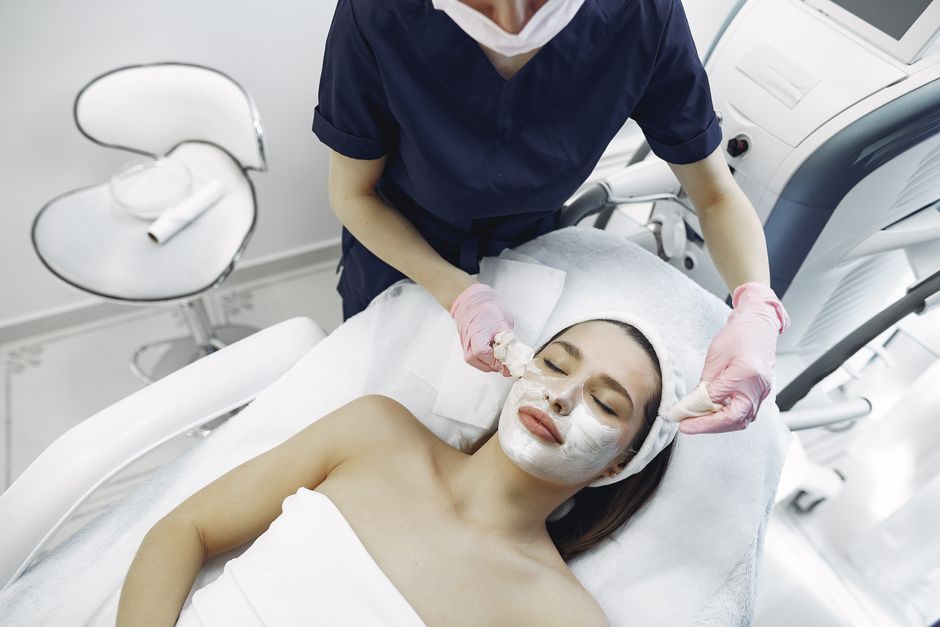
A Vampire Facial is a cosmetic procedure where a person’s own blood is drawn, spun in a centrifuge to separate the platelet-rich plasma (PRP), and then injected or microneedled back into their face. The idea is that the growth factors in your platelets can stimulate collagen production, improve skin texture, and reduce fine lines and scars. It is not a treatment for vampires, and it does not involve anyone else’s blood — only your own. The name comes from the “vampire” association with blood, popularized by celebrities like Kim Kardashian who had the procedure done on television.
How Does a Vampire Facial Procedure Actually Work?
The process starts with a standard blood draw, similar to what you would do at a doctor’s office. A small amount of blood, usually 10 to 30 milliliters, is taken from your arm. That blood goes into a specialized tube and then into a centrifuge — a machine that spins it at high speed. The spinning separates the blood into layers: red blood cells at the bottom, a thin white layer of platelets in the middle, and plasma at the top.
The platelet-rich plasma layer is then extracted. This concentrated PRP contains growth factors that signal your skin cells to repair and regenerate. The provider then applies the PRP to your face in one of two ways. The most common method is microneedling, where a device with tiny needles creates micro-injuries in the skin while the PRP is applied topically. Some providers inject the PRP directly into specific areas like around the eyes or mouth. The whole appointment takes about 60 to 90 minutes from blood draw to finish.
What Does Research on Vampire Facials Actually Show?
Research published in the Journal of Cosmetic Dermatology and other peer-reviewed journals has found that PRP can improve skin texture, reduce fine lines, and help with acne scars. A 2018 meta-analysis of 12 studies concluded that PRP microneedling was significantly more effective than microneedling alone for atrophic acne scars. The improvement was modest but measurable — about a 30 to 50 percent reduction in scar depth over several sessions.
For anti-aging, the evidence is weaker. Some studies show improvement in skin elasticity and hydration after three to six sessions. But many of these studies are small, with 20 to 30 participants, and lack a control group. The FDA has not approved PRP for cosmetic use. It regulates the centrifuge devices but not the procedure itself. That means clinics can legally offer it, but the claims they make are not backed by the same level of evidence as a drug or approved device.
The strongest evidence supports PRP for hair loss, not facial rejuvenation. For androgenic alopecia, multiple randomized controlled trials show PRP injections can increase hair density and thickness. For facial skin, the evidence is promising but not definitive. You should be skeptical of any clinic that guarantees dramatic results.
What Are the Real Risks and Side Effects?
The most common side effects are temporary and mild. You can expect redness, swelling, and bruising at the injection or microneedling sites for one to three days. Some people develop small bumps called papules that resolve within a week. These are normal reactions to the micro-injuries and the PRP itself.
More serious risks exist but are rare. Infection is possible if the equipment is not sterile. Since your own blood is used, there is no risk of blood-borne disease transmission from a donor. But if the clinic does not follow proper hygiene, bacteria can enter through the microneedling channels. In 2018, the CDC reported that two women in New Mexico contracted HIV from vampire facials at an unlicensed spa that reused needles and vials. That was a criminal case of negligence, not a risk of the procedure itself when done properly.
Other risks include nerve damage from injections, scarring, and uneven results if the PRP is not applied evenly. Allergic reactions are extremely unlikely since it is your own blood. But the additives in the centrifuge tubes, like anticoagulants, can rarely cause a reaction in sensitive individuals.
| Risk | How Common | How Long It Lasts |
|---|---|---|
| Redness and swelling | Very common | 1 to 3 days |
| Bruising | Common | 5 to 10 days |
| Infection | Rare | Varies, treatable |
| Nerve damage | Very rare | May be permanent |
| HIV or hepatitis | Extremely rare (negligence) | Lifelong |





How Much Does a Vampire Facial Cost and How Many Sessions Do You Need?
A single vampire facial typically costs between $500 and $1,500 in the United States. The price depends on your location, the provider’s experience, and whether they use microneedling or injections. Some high-end clinics charge over $2,000 per session. Most insurance plans do not cover it because it is a cosmetic procedure.
You will likely need multiple sessions to see noticeable results. Most providers recommend a series of three treatments spaced four to six weeks apart. After that, maintenance sessions every six to twelve months are common. Some people see improvement after one session, but that is not the average experience. If a clinic promises visible results after one treatment, they are overpromising.
Compare this to other cosmetic treatments. A single session of microneedling without PRP costs $200 to $700. Laser resurfacing ranges from $1,000 to $3,000 per session. Dermal fillers cost $600 to $1,200 per syringe. The vampire facial sits in the middle of the price range but requires more sessions than fillers, which show immediate results.
Who Is a Good Candidate for a Vampire Facial?
Good candidates are people with mild to moderate skin concerns who want a natural approach using their own biology. The procedure works best for fine lines, uneven skin texture, enlarged pores, and shallow acne scars. People with deep wrinkles or severe sagging will likely need more aggressive treatments like a facelift or deep laser resurfacing.
You should not get a vampire facial if you have an active skin infection, open wounds, or a history of keloid scarring. People with blood disorders, platelet dysfunction, or those taking blood thinners like warfarin or aspirin should avoid it. Pregnant or breastfeeding women should also skip it, as there is no safety data for these groups. If you have a history of cold sores, the microneedling can trigger an outbreak, so your provider may prescribe antiviral medication beforehand.
A consultation with a board-certified dermatologist or plastic surgeon is essential before booking. They can assess your skin type, medical history, and whether PRP is appropriate. Do not go to a med spa or esthetician for this procedure without a medical professional present.
Common Misconceptions About Vampire Facials
The biggest myth is that the procedure uses someone else’s blood. It is always your own blood. Another common misconception is that it is painless. Most people report moderate discomfort during the microneedling or injections. Numbing cream is applied beforehand, but you will still feel pressure and a prickling sensation.
Some people believe that one session produces dramatic, permanent results. That is not true. The collagen stimulation takes time. You may see some glow immediately from the microneedling, but the real improvement builds over weeks to months as new collagen forms. The results are temporary, lasting six to twelve months, after which maintenance sessions are needed.
Another myth is that the procedure is “natural” and therefore risk-free. Using your own blood does reduce some risks, but it does not eliminate infection, scarring, or uneven results. The safety of the procedure depends entirely on the skill and hygiene of the provider. A natural ingredient can still cause harm if applied incorrectly.
- Your own blood is used, not donor blood.
- Results take weeks to appear, not instantly.
- Multiple sessions are usually required.
- Risks exist despite using your own blood.
- Not all clinics follow proper sterile protocols.
Frequently Asked Questions
Does a vampire facial hurt?
Yes, most people feel moderate discomfort during the procedure. Numbing cream is applied beforehand, but you will still feel pressure and a prickling sensation.
How long does it take to see results from a vampire facial?
Some immediate glow appears from the microneedling, but real collagen improvement takes four to six weeks. Full results are visible after three sessions.
Can a vampire facial cause scarring?
Yes, scarring is possible if the provider is inexperienced or if you have a history of keloid scarring. Proper technique and aftercare reduce this risk significantly.
Is a vampire facial safe for all skin types?
It is generally safe for all skin tones, but people with active acne, infections, or blood disorders should avoid it. A consultation with a dermatologist is necessary first.
