
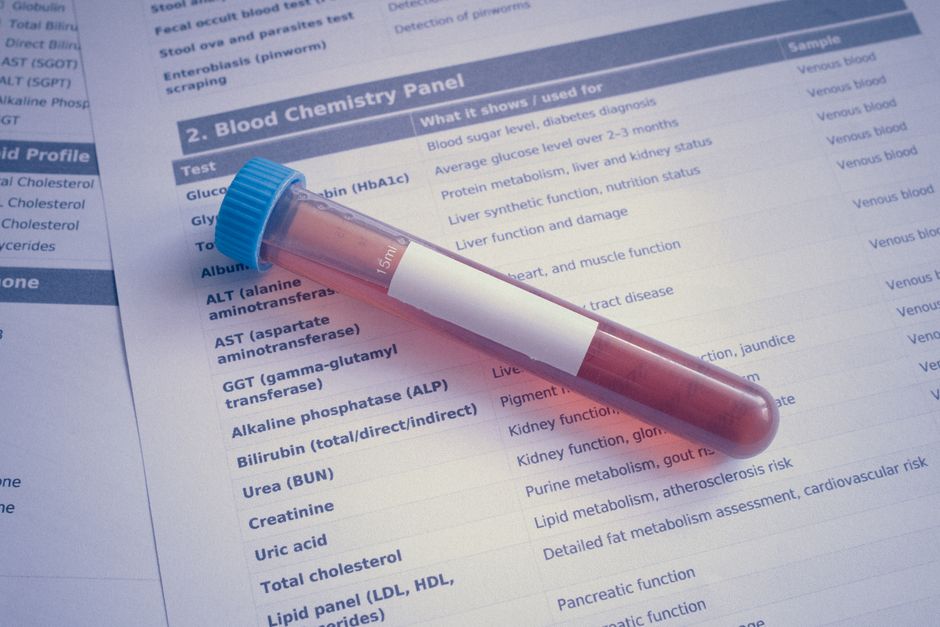
A full blood count check, often called a CBC, is a common blood test that measures the main types of cells in your blood. It gives your doctor a snapshot of your red blood cells, white blood cells, and platelets. The results help identify conditions like anemia, infection, and some blood disorders, and it is often part of a routine physical exam.
What Is A Full Blood Count Check Measuring?
A full blood count measures three main types of cells. Each one tells your doctor something different about your health.
Red blood cells carry oxygen from your lungs to the rest of your body. The test measures how many you have, how much hemoglobin they contain, and their size. Hemoglobin is the protein that actually holds the oxygen. Low red blood cell counts or low hemoglobin point toward anemia, which can make you feel tired and weak.
White blood cells are part of your immune system. They fight infection. A high white blood cell count often means your body is fighting something off, like a bacterial infection. A low count can be a sign of a viral infection, an autoimmune condition, or a problem with your bone marrow.
Platelets help your blood clot. If you cut yourself, platelets gather at the wound and form a plug to stop the bleeding. Very low platelet counts can cause easy bruising or unusual bleeding. Very high counts can increase the risk of blood clots, though this is less common.
These three cell types work together. A full blood count looks at all of them at once, giving a broader view of what might be happening in the body.
Why Would a Doctor Order This Test?
Doctors order a full blood count for several reasons. It is one of the most frequently requested blood tests in medicine.
It is often part of a routine checkup. Many adults get one every year or two as a general health screen. It can catch problems before symptoms appear.
It is also used to investigate specific symptoms. If you feel unusually tired, weak, short of breath, or dizzy, a full blood count can help determine if anemia is the cause. If you have a fever that will not go away, the white blood cell count can suggest whether an infection is present.
Doctors also use it to monitor ongoing conditions. If you are being treated for a chronic illness, taking certain medications, or receiving chemotherapy, regular full blood counts track how your body is responding. For example, some medications lower white blood cell counts, and the test helps your doctor adjust your dose safely.
What Do the Results Mean?
Results come back as numbers that fall within a reference range. These ranges are not universal. They vary based on your age, sex, and the specific laboratory that processes the test.
Normal ranges generally include the following:
- Red blood cell count: about 4.5 to 5.9 million cells per microliter for men, and 4.1 to 5.1 million for women
- Hemoglobin: about 13.5 to 17.5 grams per deciliter for men, and 12.0 to 15.5 for women
- White blood cell count: about 4,500 to 11,000 cells per microliter
- Platelet count: about 150,000 to 450,000 per microliter
These numbers are standard reference ranges used in clinical practice. However, your lab report will show the specific range for that facility. Always compare your results to the range printed on the report, not to a general number you found online.
A result outside the normal range does not automatically mean something is wrong. A single abnormal value is often a false alarm. Many factors affect blood counts, including recent illness, dehydration, certain medications, and even the time of day the blood was drawn. Doctors rarely diagnose anything based on one test alone. They look at trends over time and combine the results with your symptoms and other tests.



How Should You Prepare for a Full Blood Count?
Most full blood count checks do not require special preparation. You do not need to fast beforehand for the cell counts themselves. You can eat and drink normally before the test.
However, a full blood count is often ordered together with other tests that do require fasting. Your doctor may request a comprehensive metabolic panel or a lipid panel at the same time. These tests measure things like blood sugar and cholesterol, and they require you to avoid food and drink for 8 to 12 hours beforehand.
Ask your doctor or the lab directly whether you need to fast. If you are unsure, it is safer to fast for 8 hours before the appointment. Drink water during that time. Dehydration can falsely raise some blood counts, so staying hydrated helps produce an accurate result.
Tell your doctor about all medications and supplements you take. Some drugs affect blood cell production. For example, certain antibiotics, blood thinners, and medications for seizures can alter your counts. Your doctor needs this information to interpret the results correctly.
What Happens During the Blood Draw?
The test itself is quick. A phlebotomist or nurse draws blood from a vein in your arm, usually at the inside of the elbow.
They tie a band around your upper arm to make the vein swell. They clean the area with an alcohol wipe. Then they insert a small needle and draw blood into a tube. The whole process takes about a minute. You may feel a brief sting when the needle goes in.
Afterward, they remove the needle and place a small bandage over the puncture site. You can return to normal activities immediately. Some people feel lightheaded during or after the draw. If you have fainted from blood draws before, tell the technician. They can have you lie down during the procedure.
Minor bruising at the site is common and harmless. It usually fades within a few days. Serious complications from a routine blood draw are extremely rare.
What Are the Limitations of This Test?
A full blood count is a powerful tool, but it has limits. It is a screening test, not a diagnostic test. It tells your doctor that something may be off, but it rarely explains why.
For example, a low hemoglobin level confirms that you have anemia. It does not tell your doctor what type of anemia you have. Iron deficiency, vitamin B12 deficiency, chronic disease, and blood loss all cause low hemoglobin. Distinguishing between them requires additional tests, such as iron studies or vitamin level checks.
Similarly, a high white blood cell count indicates inflammation or infection, but it does not identify the source. Your doctor will need more information to determine whether the cause is bacterial, viral, or something else entirely.
There are also conditions that a normal full blood count cannot rule out. Some blood disorders, especially in their early stages, do not change blood counts enough to show up on the test. If symptoms persist despite normal results, further investigation may be necessary.
Frequently Asked Questions
How long does it take to get full blood count results?
Most results are available within 24 to 48 hours. Some labs provide results the same day, but this depends on the facility and your doctor’s office.
Can a full blood count detect cancer?
A full blood count can sometimes suggest a blood cancer like leukemia, but it cannot diagnose cancer on its own. Abnormal results require further testing, such as a bone marrow biopsy, to confirm a diagnosis.
Is a full blood count the same as a blood panel?
No. A full blood count measures red cells, white cells, and platelets. A comprehensive metabolic panel measures chemicals in your blood, like glucose, electrolytes, and liver enzymes. They are often ordered together but test different things.
Can I take a full blood count test at home?
At-home finger-prick tests exist, but they are not a substitute for a lab test done by a professional. The accuracy can vary, and a doctor is needed to interpret the results in context. Always confirm any home test result with a clinical lab test.
